
I wrote recently about Jack Wall TD‘s Dáil questions about lockkeepers. WI now has a vacancy for a lockkeeper — in Coleraine.
I wonder whether fluency in Ulster Scots would be an advantage.
I wrote recently about Jack Wall TD‘s Dáil questions about lockkeepers. WI now has a vacancy for a lockkeeper — in Coleraine.
I wonder whether fluency in Ulster Scots would be an advantage.

From WI’s annual report for 2011
Operating income, which was pathetically small in 2010, was pathetically smaller in 2011.
Posted in Economic activities, Extant waterways, Ireland, Operations, Sources, Waterways management
Tagged income, Ireland, operating, waterways, Waterways Ireland
From WI’s annual report for 2011
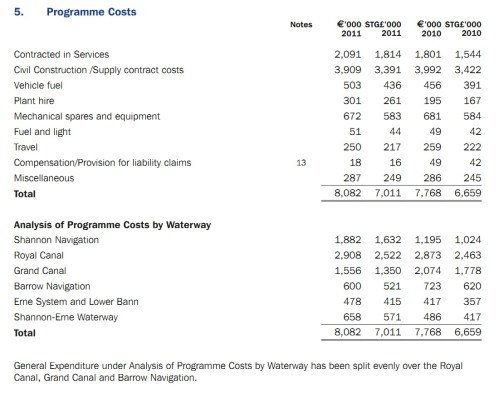
Note that programme costs do not include staff costs, as the income and expenditure account for y/e 31 December 2011 makes clear.

From WI’s annual report for 2011
The most startling thing in the programme costs is that Shannon costs have increased 57% while Grand Canal costs have decreased by 25%. I presume that the change is in the Civil Construction/Supply contract costs, as the other items don’t seem to have enough scope for such large changes. It would be interesting to know what the contracts were. The accounts of Grand Canal improvements on pages 12 and 16 don’t suggest any diminution in activity, although they are not specific enough to be definitive; the account for the Shannon on page 17 mention some new undertakings, of which the most significant was perhaps the new mooring at Killaloe, whereof the Chief Executive said in the Foreword:

From WI’s annual report for 2011
And so, I’m sure, say all of us.
But wouldn’t that be a capital cost? I can’t work out how the income and expenditure figures link to the activities covered in the descriptions of achievements.
Posted in Economic activities, Engineering and construction, Extant waterways, Industrial heritage, Ireland, Irish waterways general, Operations, People, Restoration and rebuilding, Shannon, Sources, Tourism, waterways, Waterways management
Tagged boats, bridge, canal, Clare, costs, department of arts heritage and the gaeltacht, Dublin, Grand Canal, Ireland, Killaloe, Lough Derg, Operations, Shannon, waterways, Waterways Ireland
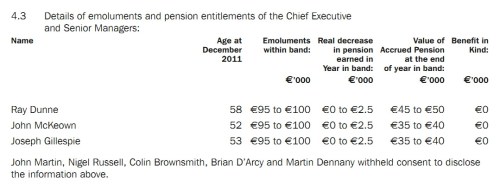
From WI’s annual report for 2011

From WI’s annual report for 2011
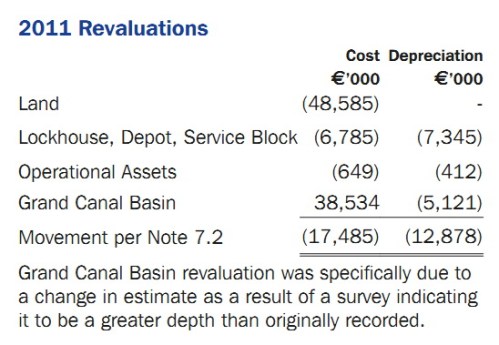
From WI’s annual report for 2011
Posted in Ashore, Built heritage, Drainage, Economic activities, Engineering and construction, Extant waterways, Industrial heritage, Ireland, Irish waterways general, Operations, Sources, waterways, Waterways management
Tagged canal, department of arts heritage and the gaeltacht, Dublin, Grand Canal, Grand Canal Basin, Ireland, waterways, Waterways Ireland
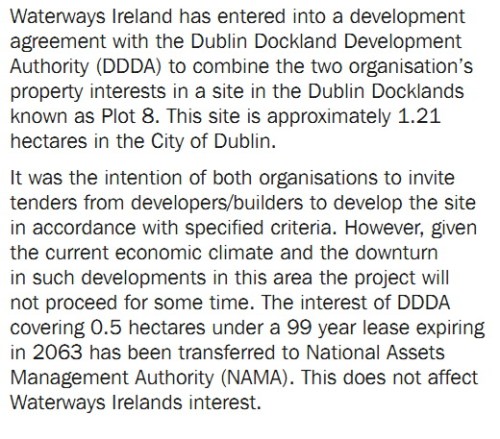
From WI’s annual report for 2011
Posted in Ashore, Built heritage, Economic activities, Engineering and construction, Extant waterways, Industrial heritage, Ireland, Irish waterways general, Non-waterway, Operations, Politics, Restoration and rebuilding, waterways, Waterways management
Tagged canal, DDDA, dry dock, Dublin, Grand Canal, Grand Canal Dock, NAMA, Plot 8, Ringsend, Waterways Ireland
… be unconfined: Waterways Ireland’s Annual Report for 2011 has now been released [PDF], just in time for the Christmas market.
Why not slip it into the stocking of your significant other?
And now for the results you’ve been waiting for, the most important information in the annual report.
1. What is John Martin’s job title in Ulster Scots this year?
Alas, the boring Chief Executive has triumphed again: we haven’t even got a Cheif. Bring back the Heid Fector!
2. What is his report called? Foreward bae the Heid Fector, Innin wi tha Heid Fector or (the popular favourite) Twarthy words bae tha heid yin?
Alas again, it’s a boring Foreword by the Chief Executive.
3. What is the Ulster Scots for Waterways Ireland?
This is the only interesting part: it’s still Watterweys Airlann in the logo (presumably it would be too expensive to get that redesigned) but Watterwyes Airlan in the text.
I may find some boring bits elsewhere that I can report on later.
Posted in Economic activities, Engineering and construction, Extant waterways, Foreign parts, Ireland, Irish waterways general, Operations, People, Politics, Restoration and rebuilding, Sources, Ulster Canal, waterways, Waterways management
Tagged department of arts heritage and the gaeltacht, Heid Fector, Ireland, twarthy words, Ulster Scots, Waterways Ireland
Yesterday’s Sunday Business Post had an article headed “Liberty Mutual move to push up business insurance costs” [paywall, alas, but the Irish Times mentions it briefly here. Messrs Liberty don’t seem to say anything about it on tinterweb, but perhaps you may wish to spend longer searching than I did].
Liberty took over a commercial insurance business from Quinn; it feels that “Quinn’s commercial business is unsustainable and under-priced” [SBP]. Accordingly, it is raising prices for many types of business and requiring a minimum premium of €1000 for all commercial policies and a minimum of €5000 in “high hazard trades”.
Furthermore, it is withdrawing altogether from 37 lines of business including:
This is not of immediate relevance to Irish waterways, at least as far as I can see, although children’s activity centres might include some waterways-based centres. Furthermore, the SBP’s list is not exhaustive and there is the possibility that reductions in competition and higher insurance costs will spread to the waterways (if they haven’t already). Making it more difficult for small new businesses to start up, or existing businesses to survive, won’t benefit the waterways.
Is there a case for tort reform in Ireland?
attempt to assess and either eliminate or insure against all risks
In order to save some money, it might be a good idea to disband Clare County Council. Then we wouldn’t have county councillors proposing idiotic projects (joined in this instance by some TDs) requiring vast capital expenditure (which we can’t afford) to produce zero jobs.
More about Ardnacrusha here.
Posted in Built heritage, Economic activities, Engineering and construction, Extant waterways, Industrial heritage, Ireland, Irish waterways general, Non-waterway, Operations, People, Politics, Restoration and rebuilding, Shannon, Sources, waterways, Waterways management
Tagged Ardnacrusha, canal, Clare, ESB, flow, hydroelectric, Ireland, Operations, Shannon, waterways

 Irish waterways history