
… but you can’t hide. Harbour hoggers, and folk not meeting the new canals requirements, should watch out.
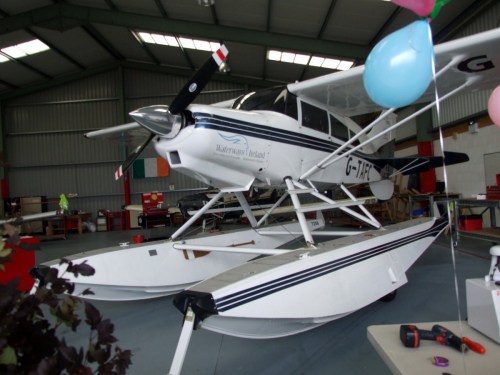
WI’s eye in the sky
[h/t & © JC]
[yes, I know]
… but you can’t hide. Harbour hoggers, and folk not meeting the new canals requirements, should watch out.
WI’s eye in the sky
[h/t & © JC]
[yes, I know]
Posted in Economic activities, Engineering and construction, Extant waterways, Ireland, Irish inland waterways vessels, Non-waterway, Operations, People, Shannon, Ulster Canal, waterways, Waterways management
Tagged Barrow, Erne, floatplane, Grand Canal, Royal Canal, seaplane, Shannon, Shannon-Erne Waterway, Sligo, Ulster Canal, vessels, waterways, Waterways Ireland, workboat
Ger Reid, the Ardnacrusha lockkeeper, retired at the end of December 2012. Ger has guided many boats through the locks over the years and has always been cheerful and reassuring as well as informative, helpful, reliable and competent. He will be sadly missed but I wish him well in his retirement.
Meanwhile, I have heard that Limerick City Council has decided not to renew Pat Lysaght’s contract for work on the river and has suggested that Waterways Ireland should retain him. Pat’s most important role, though, in assisting boats passing through Limerick (220 in 2012), has always been voluntary. Were Pat to cease to provide that service, I think the number of boats visiting Limerick would be greatly reduced.
Posted in Economic activities, Engineering and construction, Extant waterways, Ireland, Irish inland waterways vessels, Irish waterways general, Natural heritage, Operations, People, Shannon, shannon estuary, Tourism, waterways, Weather
Tagged Ardnacrusha, boats, bridge, canal, Clare, ESB, estuary, Ger Reid, Hunt Museum, Ireland, Killaloe, Limerick, Limerick City Council, lock, Lough Derg, Operations, Pat Lysaght, pilot, Shannon, vessels, water level, waterways, Waterways Ireland, workboat
Pat Sweeney, in Liffey Ships & Shipbuilding [Mercier Press, Cork 2010], tells us that in December 1960 Cork Harbour Commissioners got permission to raise a loan of £250,000 to build two diesel-powered tenders to carry passengers to and from transatlantic liners moored in Cobh. The tenders were built by the Liffey Dockyard in Dublin; the MV Blarna was launched in May 1961 and her sister MV Cill Airne in February 1962.
After a varied career, the MV Cill Airne is now back on the Liffey as a floating restaurant. Her website says that she and her sister were the last rivetted ships built in Europe; they were the third-last and second-last ships to be built at the Alexandra Basin, the last being the Shannon Navigation’s Coill-an-Eo.
MV Blarna spent much of her life in Bermuda as a party boat named Canimabut then spent ten years in Canada waiting vainly for restoration or conversion and coming to be regarded as an eyesore. That period is now over: the “Millbank eyesore“, the Canima, sank in December 2012 and “salvage may not be an option“.
h/t Niall Galway
Posted in Ashore, Built heritage, Economic activities, Engineering and construction, Extant waterways, Foreign parts, Industrial heritage, Ireland, Irish inland waterways vessels, Non-waterway, Operations, Politics, Restoration and rebuilding, Shannon, Tourism
Tagged Bermuda, Blarna, boats, Canada, Canima, Cill Airne, Cobh, Coill-an-Eo, Cork, dockyard, Dublin, Ireland, Liffey, New Brunswick, vessels, Waterways Ireland, workboat
This photo, which is used in Ruth Delany’s Ireland’s Royal Canal, shows the Royal Canal harbour in Mullingar, from the bridge. Note the very large amount of timber lying around (could some of it belong to Russells of Portarlington?). The wooden barge in the foreground has had its tiller unshipped, but what’s all that kit on deck and in the hold?
Then look at the vessel in front of it, which seems to be more the sort of beam we’d expect on an English narrowboat. It’s very hard to see any details, but could it be a steam tug?
Posted in Ashore, Built heritage, Economic activities, Engineering and construction, Extant waterways, Industrial heritage, Ireland, Irish inland waterways vessels, Operations, Rail, Restoration and rebuilding, Sources, Steamers, waterways, Waterways management
Tagged boats, bridge, canal, Ireland, Mullingar, Royal Canal, steam tug, steamer, timber, vessels, waterways, workboat
WI at work in Killaloe Novemebr 2012.
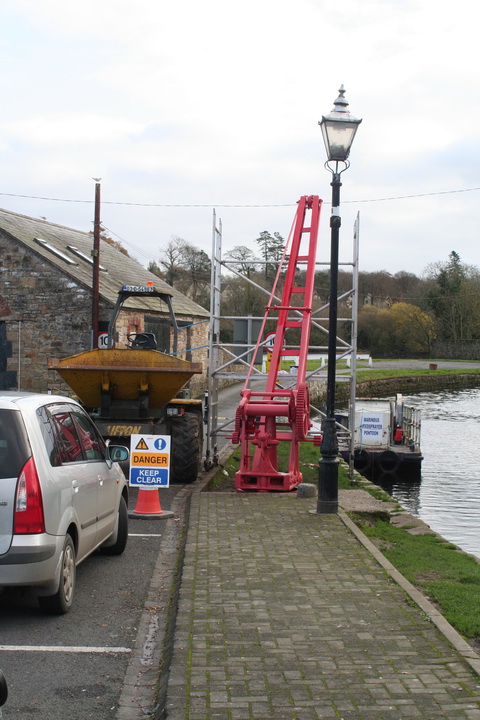
Old crane being painted
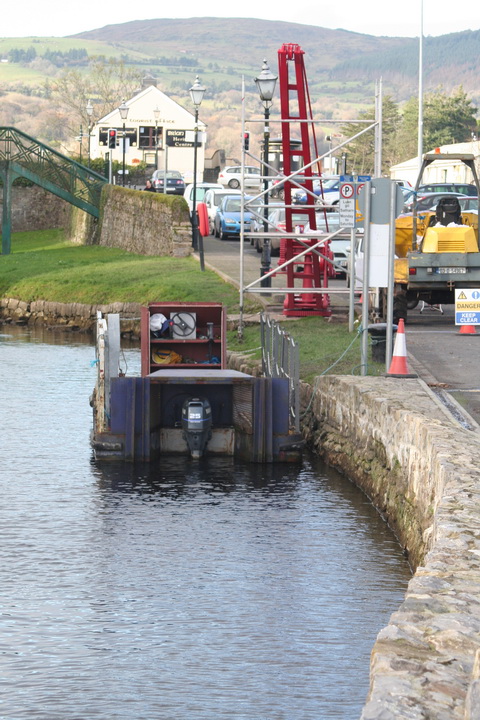
The Marindus weedspraying pontoon. This Marindus may be Marindus Engineering Ltd of Kilmore Quay, Co Wexford
Posted in Ashore, Built heritage, Charles Wye Williams, Economic activities, Engineering and construction, Extant waterways, Forgotten navigations, Industrial heritage, Ireland, Irish inland waterways vessels, Irish waterways general, Operations, Restoration and rebuilding, Shannon, waterways, Waterways management, Weather
Tagged boats, bridge, canal, Clare, crane, ESB, flow, Ireland, Killaloe, lock, Lough Derg, Marindus, Operations, paint, Shannon, vessels, waterways, Waterways Ireland, weed, workboat
Waterways Ireland has parked a canteen trailer and some pontoons at Errina Bridge.
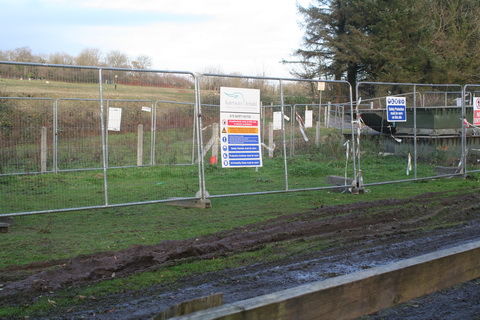
The compound, with Official Notices signed Rabbit
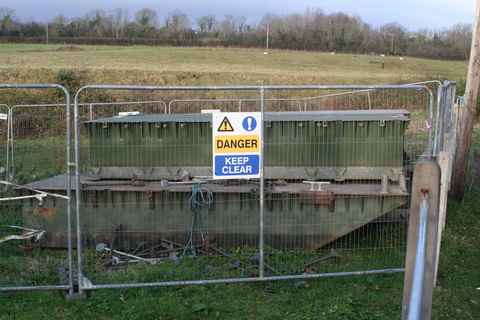
Pontoons
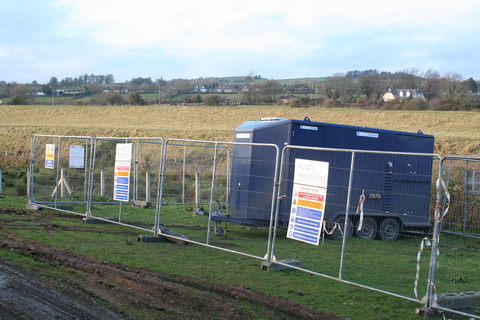
The canteen trailer
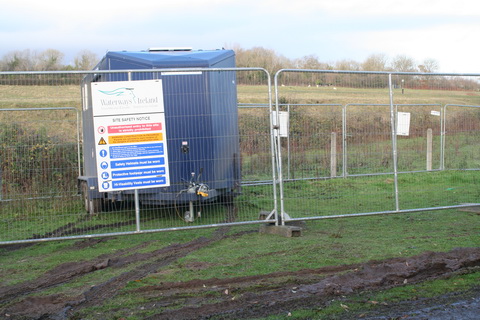
Another view of the canteen trailer
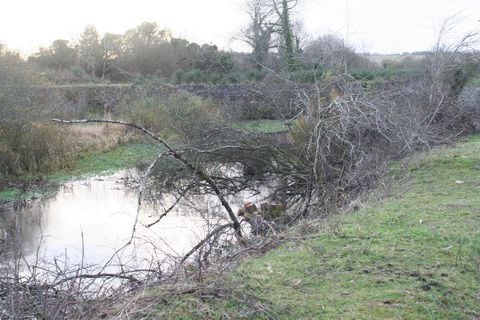
Evidence of tree cutting above Errina Lock, but that may not have anything to do with Waterways Ireland
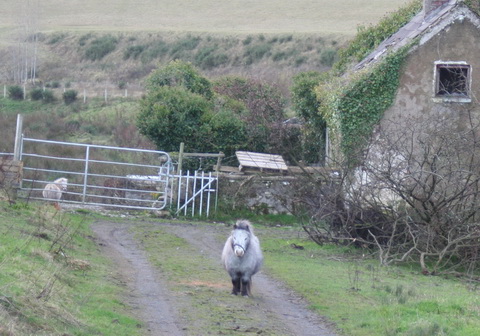
The guardians of the lock
Posted in Ashore, Built heritage, Charles Wye Williams, Drainage, Economic activities, Engineering and construction, Forgotten navigations, Industrial heritage, Ireland, Irish inland waterways vessels, Natural heritage, Operations, Restoration and rebuilding, Shannon, The cattle trade, The turf trade, waterways, Waterways management
Tagged boats, bridge, canal, Clare, Errina, floods, Ireland, Killaloe, Limerick, lock, lost, Lough Derg, O'Briensbridge, Operations, Plassey-Errina Canal, pony, Shannon, Tipperary, water level, waterways, Waterways Ireland, workboat
IndustrialHeritageIreland has found a local newspaper that thinks that river buses on the Grand Canal could provide commuters from west Dublin with fast transport to Google HQ at Grand Canal docks. IHI points out that the journey from Hazelhatch can take eight hours; even Dublin traffic moves faster than that.
Posted in Built heritage, Economic activities, Engineering and construction, Extant waterways, Industrial heritage, Ireland, Irish inland waterways vessels, Operations, Restoration and rebuilding, Sources, waterways, Waterways management
Tagged boats, bridge, canal, commuting, Dublin, google, Grand Canal, Ireland, vessels, water bus, waterways, Waterways Ireland, workboat

 Irish waterways history