This Irish Times article might explain why Dublin City Council did not respond to my communication about the condition of the curved building at Grand Canal Harbour.

This Irish Times article might explain why Dublin City Council did not respond to my communication about the condition of the curved building at Grand Canal Harbour.
Went out without the camera today, alas, and found Waterways Ireland crews at work at the canal harbour in Limerick. One crew had launched a Pioner Multi (I didn’t see them do it, alas, but it may have come on the back of a truck with a HIAB or suchlike) and were hauling rubbish out of the water. Another were welding new railings to prevent access to the old hotel/canal manager’s house and installing a steel plate in a window aperture on one of the Shannon Navigation buildings.
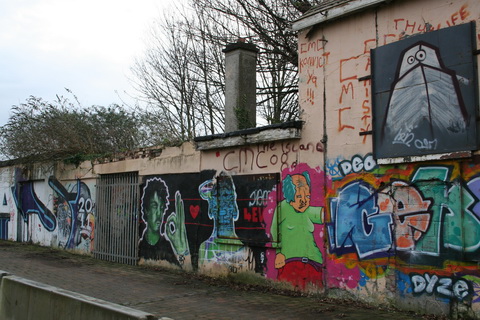
I presume the new plate will soon be decorated. I rather like the artwork, I must say, and I think it a pity that Young Folk should not have somewhere to go to do the things that Young Folk like to do.
Posted in Ashore, Built heritage, Charles Wye Williams, Economic activities, Engineering and construction, Forgotten navigations, Industrial heritage, Ireland, Non-waterway, Operations, Scenery, Shannon, waterways, Waterways management
Tagged harbour, Limerick, lock, Operations, Park Canal, Shannon, Waterways Ireland, workboat
A short, lavishly illustrated talk in Killaloe Cathedral, Co Clare, at 6.00pm on Sunday 29 April 2012, as part of the Waterways Ireland Discover Killaloe and Ballina thingie.
Posted in Built heritage, Charles Wye Williams, Economic activities, Engineering and construction, Extant waterways, Forgotten navigations, Industrial heritage, Ireland, Irish inland waterways vessels, Operations, People, Politics, Rail, Shannon, shannon estuary, Sources, Steamers, The cattle trade, The turf trade, Tourism, waterways, Waterways management
Tagged boats, bridge, canal, Clare, CoDSPCo, Dublin, estuary, Fergus, Garryowen, Grand Canal, Ireland, jetties, Killaloe, Kilrush, Lady Lansdowne, Limerick, Liverpool, lock, Lough Derg, Montpelier, O'Briensbridge, Operations, quay, Royal Canal, Shannon, turf, vessels, waterways, workboat
Posted in Ashore, Built heritage, Drainage, Economic activities, Engineering and construction, Forgotten navigations, Industrial heritage, Ireland, Operations, People, Politics, Sources, The turf trade, waterways, Waterways management
Tagged boats, bridge, canal, harbour, Ireland, Lough Key, Rockingham, Shannon, vessels, waterways, workboat
I was introduced to two places on the Lagan Navigation last weekend. The first was Drum Bridge; here is a page about it.
Posted in Ashore, Built heritage, Drainage, Economic activities, Engineering and construction, Foreign parts, Forgotten navigations, Industrial heritage, Ireland, Irish inland waterways vessels, Operations, Sources, waterways
Tagged belfast, block, boats, bollard, brick, bridge, canal, Drum, Drumbeg, Drumbridge, hauler, horse, Ireland, Lagan, lighter, Lisburn, lock, Lough Neagh, mystery, Operations, pulley, ramp, stone, wall, waterways
Here is a page about the feeders that supplied water to the Grand Canal. There will soon be a page about the Royal Canal feeders; these will lead to an examination of the current and proposed supply of water to the Royal.
Posted in Ashore, Built heritage, Drainage, Economic activities, Engineering and construction, Extant waterways, Forgotten navigations, Industrial heritage, Ireland, Irish waterways general, Operations, Sources, waterways, Waterways management, Weather
Tagged . Clondalkin, Annanough, Athy, Ballinure, Ballycowan, Ballymullen, Barrow, Blackwood, Bonynge, bridge, Burgh, canal, Corbally, Corcoran, Courtwood, Daingean, Derrybrook, Derrycooley, Dublin, Edenderry, Feighcullen, Fisherstown, Fox and Geese, Glenaree, Grand Canal, Grattan, Herbertstown, Ireland, Kilbeggan, Killeen, Killina, Kilnacash, Kylemore, Leinster Aqueduct, Liffey, Lough Boora, Lowtown, Morrell, Mount Prospect, Mount Rice, Mountmellick, Mylerstown, Naas, Newtown, Oldtown, Operations, Philipstown, Pluckerstown, Pollagh, Pollardsstown, Portarlington, Prosperous, Rathangan, Rathaskea, Rhode, Robertstown, Sallins, Shannon, Shannon Harbour, Slate River, Toberdaly, Tullamore, Turraun, Vicarstown, waterways, Waterways Ireland, White Eye, Whiteeye, Woodbrook, Yellow River
Posted in Ashore, Built heritage, Drainage, Economic activities, Engineering and construction, Extant waterways, Forgotten navigations, Industrial heritage, Ireland, Irish waterways general, Natural heritage, Operations, People, Politics, Restoration and rebuilding, Scenery, Suir, Waterways management
The Shannon Fergus Islands Group is seeking consultants to undertake
research on access, tourism and agricultural sustainability of the islands while identifying how best to deliver on the vision being ever mindful of the primary constraints of physical access limitations and environmental designation.
Posted in Built heritage, Economic activities, Extant waterways, Forgotten navigations, Industrial heritage, Ireland, Irish inland waterways vessels, Natural heritage, Operations, People, Politics, Scenery, Shannon, shannon estuary, The cattle trade, Tourism, waterways, Waterways management
Tagged boats, estuary, Fergus, Ireland, islands, Shannon, waterways
The summit level of the Royal Canal has been closed until further notice because of shortage of water and the 34th and 35th levels have been closed until 20 April for emergency repairs. Marine Notices here, along with a general waarning about low water levels.
Met Éireann’s Monthly Summary for March 2012 [PDF] says:
Rainfall totals were relatively low for the time of year, with percentage of normal values below 50% in most locations. Mullingar [which is on the summit level of the Royal Canal] reported its driest March since 1961 (51 years), while most other stations reported their driest March in at least 7 years. Number of wet days recorded (days with 1 mm or more) was below average everywhere, with most stations measuring their lowest March maximum daily rainfall in seven to 39 years.
Can we have our normal weather back please? Or will that be coming in the “summer” months?
Posted in Drainage, Economic activities, Engineering and construction, Extant waterways, Forgotten navigations, Industrial heritage, Ireland, Irish inland waterways vessels, Irish waterways general, Natural heritage, Operations, Restoration and rebuilding, Waterways management, Weather
Tagged canal, Ireland, Mullingar, rain, Royal Canal, waterways, Waterways Ireland, weather
Nobody has attempted to identify this quay, so the competition is now closed and I’ll drink the sherry myself.
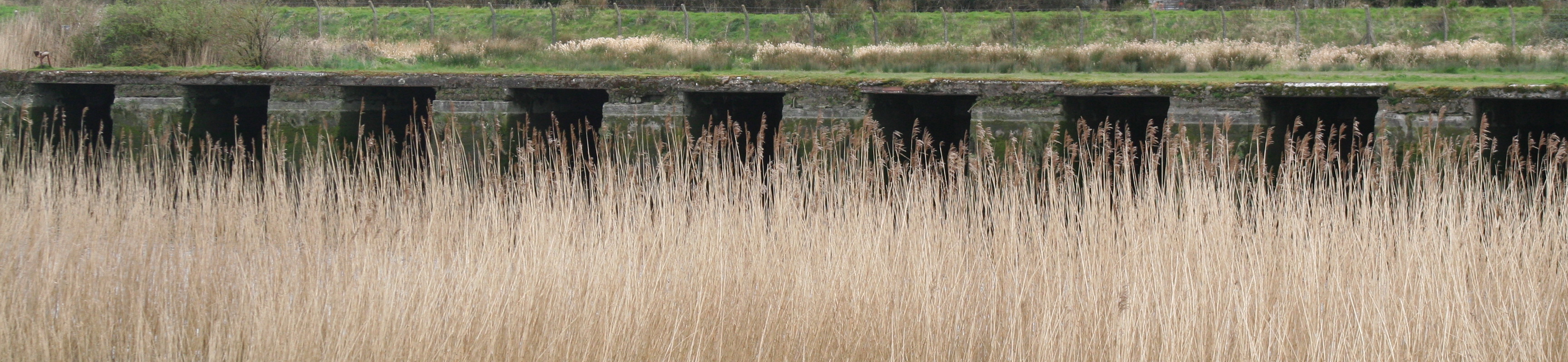
It is, of course, the downstream quay at Clarecastle at the head of the Fergus Navigation.
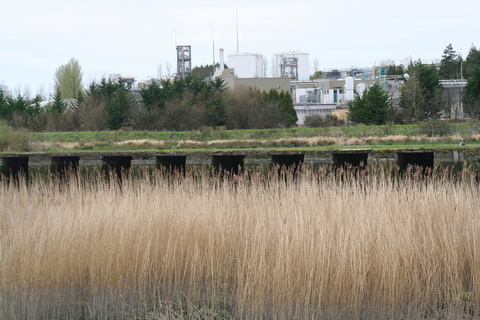
Clarecastle downstream
Here is the upstream quay, just around the corner.
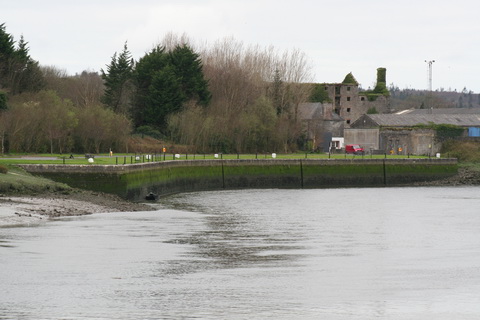
Clarecastle upstream
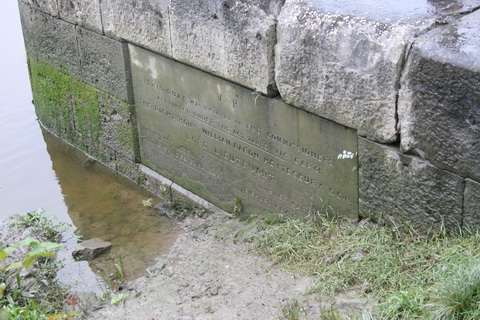
The upstream quay bears the following inscription.
Inscription at Clarecastle
I really must return and get a better photo when it’s less slippy. Note that, although this is on tidal waters, Thomas Rhodes was the engineer.
Did you know that Clarecastle still has its own port authority? Go to this excellent pub and ask John Power about it. His brother (Dr Joe) wrote the definitive history of Clarecastle. John has lots of interesting old photos and maps on display in a really good traditional pub. He’s got a facetweet thingie too.
Posted in Ashore, Built heritage, Charles Wye Williams, Economic activities, Engineering and construction, Extant waterways, Forgotten navigations, Industrial heritage, Ireland, Operations, People, Politics, Shannon, shannon estuary, Sources, Steamers, The cattle trade, waterways, Waterways management
Tagged boats, Clarecastle, Commissioners, estuary, Fergus, Ireland, Operations, quay, Shannon, Thomas Rhodes, vessels, Waterways Ireland


 Irish waterways history