Category Archives: Irish inland waterways vessels

Royal Canal November

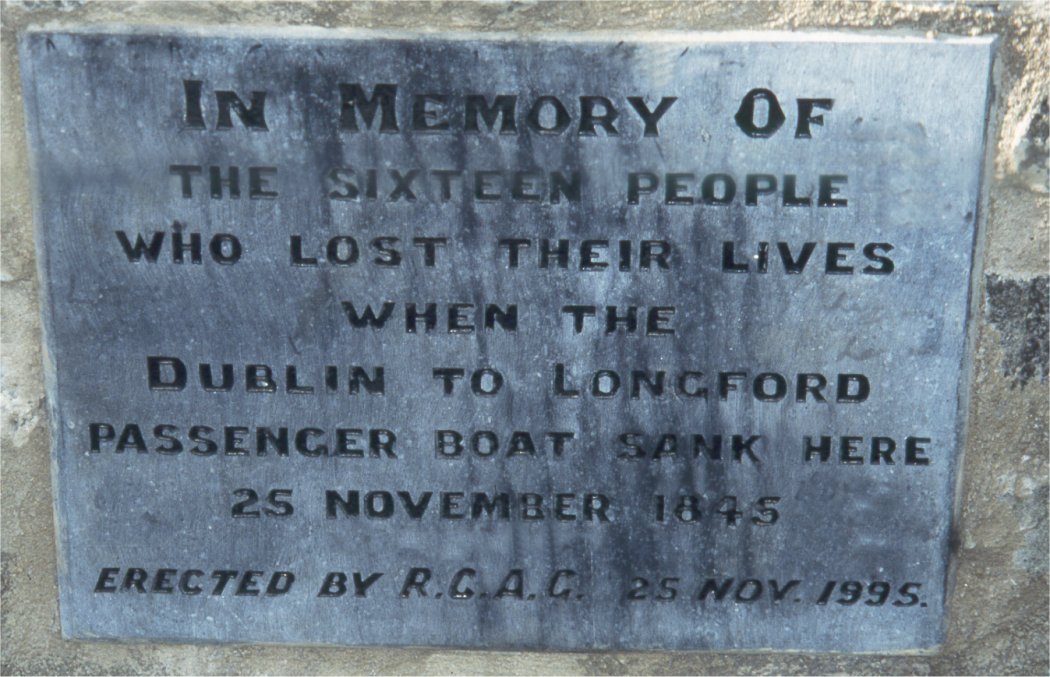
I said here that I did not know whether there was a plaque to commemorate the drowning of fifteen people on the Royal Canal in 1845. I am grateful to both Ewan Duffy and Niall Galway for telling me that there is a plaque and for sending photos of it. Ewan’s, which I show below, was taken in 1997.

Porterstown Plaque

The plaque in 1997 (copyright industrialheritageireland.info)

Niall has sent on a message from the Royal Canal Amenity Group chairman:

A Mass in memory of the 16 people who lost their lives on 25 November 1845, when a passenger boat sank on the Royal Canal at Clonsilla, will be
held in St Mochta’s Church, Porterstown Road, at 10.00 am on Friday next 27 November 2015. After the mass you are invited to Porterstown (Kennan) bridge to lay a wreath and afterwards to the Clonsilla Inn for a tea/coffee.

I know that Ruth Delany gives the figure of 16 deaths, but all the newspaper reports that I have read say that 15 people died: 7 men, 6 women and 2 children, all from the second-class cabin.

Addendum 23 November 2015: I have now read some more newspaper reports and I think the discrepancy arises because early press reports of the accident itself, notably that carried in the Freeman’s Journal, said that sixteen people had died, but reports of the inquest gave the number as fifteen. The pre-inquest reports were inaccurate in other respects too: the total numbers of passengers were wrong and the chain of events that led to the accident was not properly described.


Remember, remember the twenty-fifth of November

25 November 2015 will be the 170th anniversary of the sinking of the Royal Canal passage-boat Longford and the deaths of fifteen people.

This was not (pace Ruth Delany in Ireland’s Royal Canal 1789–2009 Lilliput Press, Dublin 2010) “the worst accident ever to happen on the Irish waterways”: that melancholy distinction belongs to the drowning at Carrick-on-Suir of about 111 people in 1799 [see “The cries at the bridge” on this page], while the second-worst was the drowning of twenty people on Lough Corrib in 1828, the event commemorated by Antoine Ó Raifteiri in his poem Eanach Dhúin.

But the 1845 accident, between Porterstown and Clonsilla Bridges, was the worst to occur on an Irish canal. Evidence at the inquest and subsequent trial suggests great laxity in the management of the Royal Canal Company’s affairs, even if the immediate cause was an act of insane irresponsibility on the part of the boat’s temporary steerer.

I do not know whether any plaque or other artefact commemorates the event.

A bit of a barney

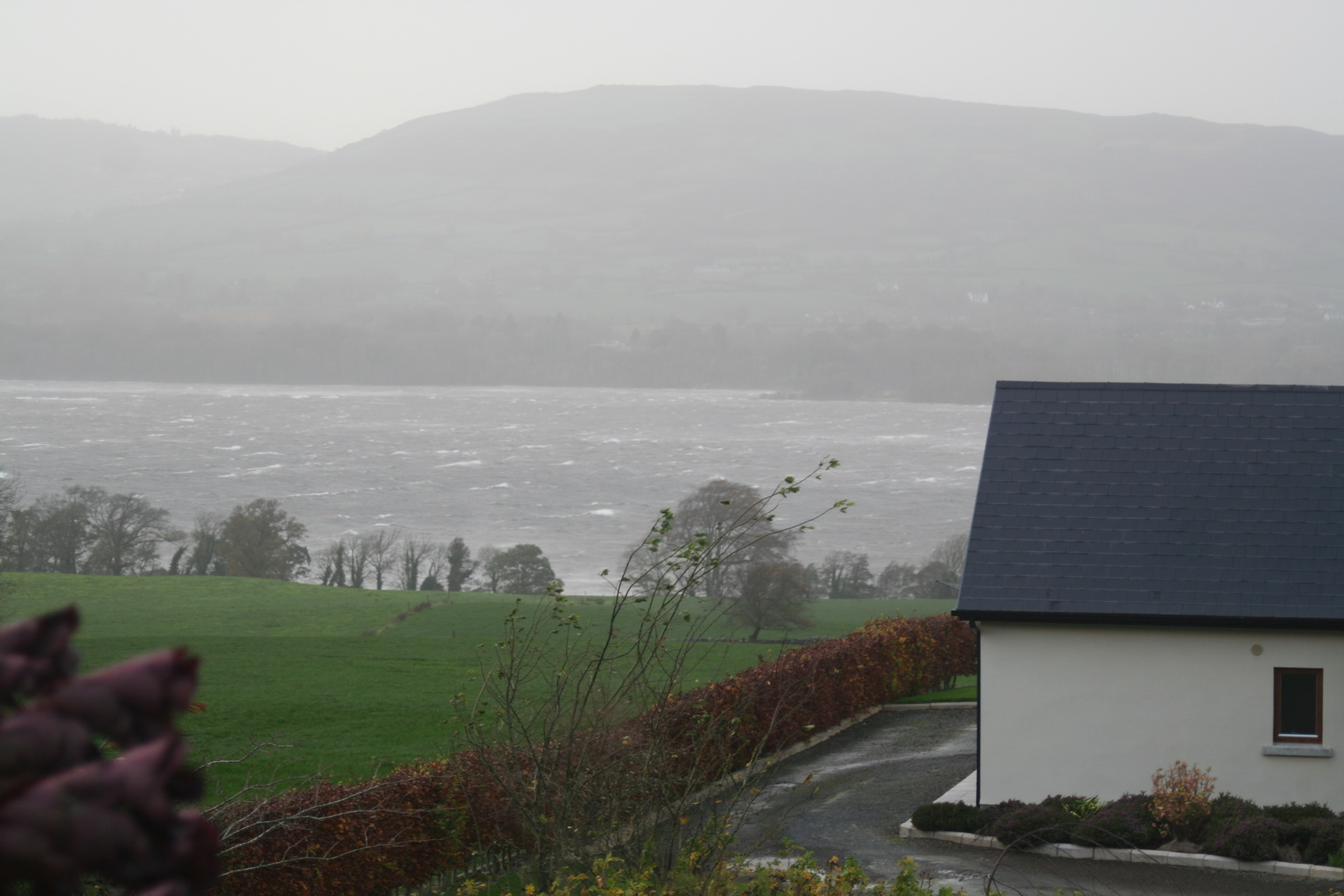
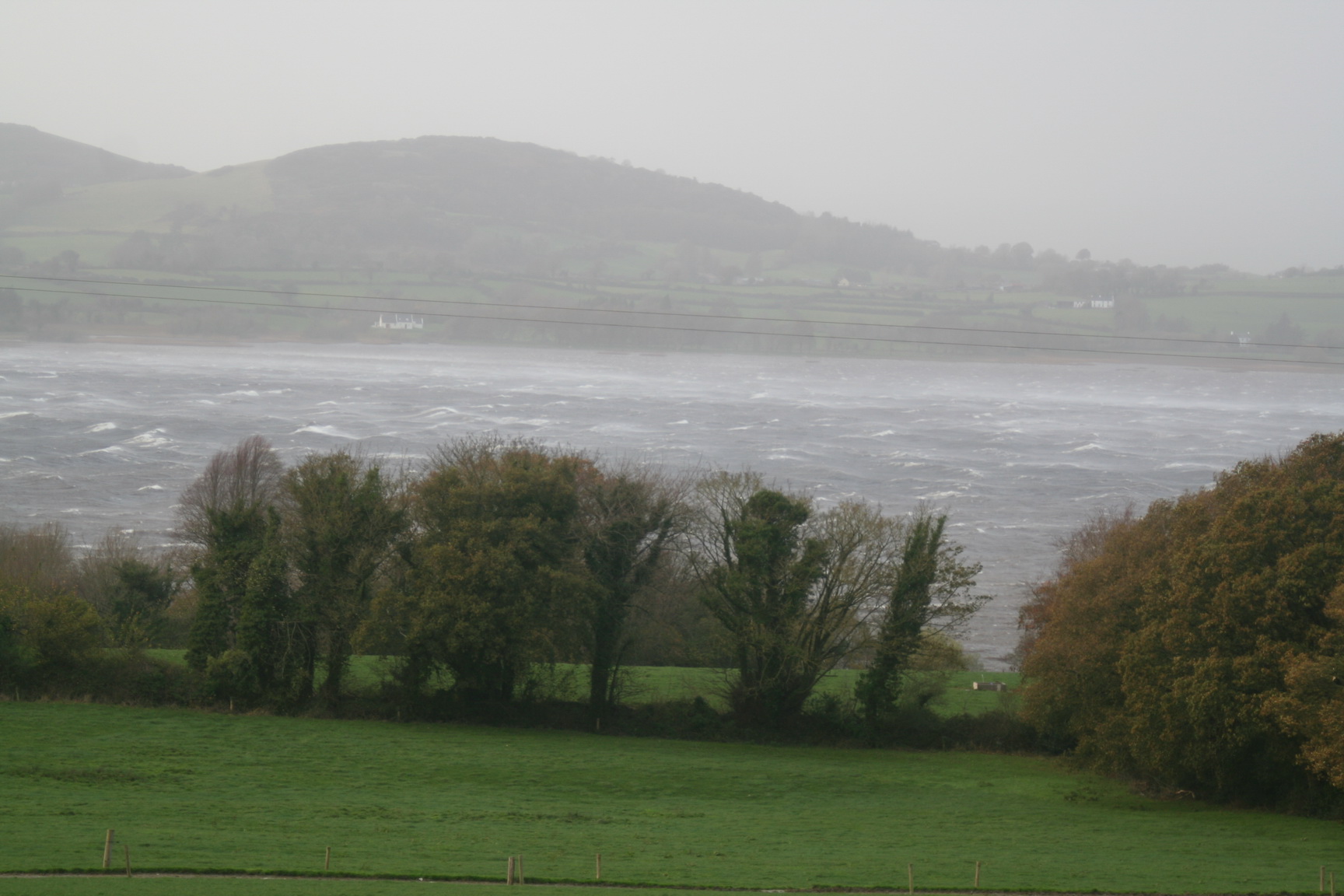
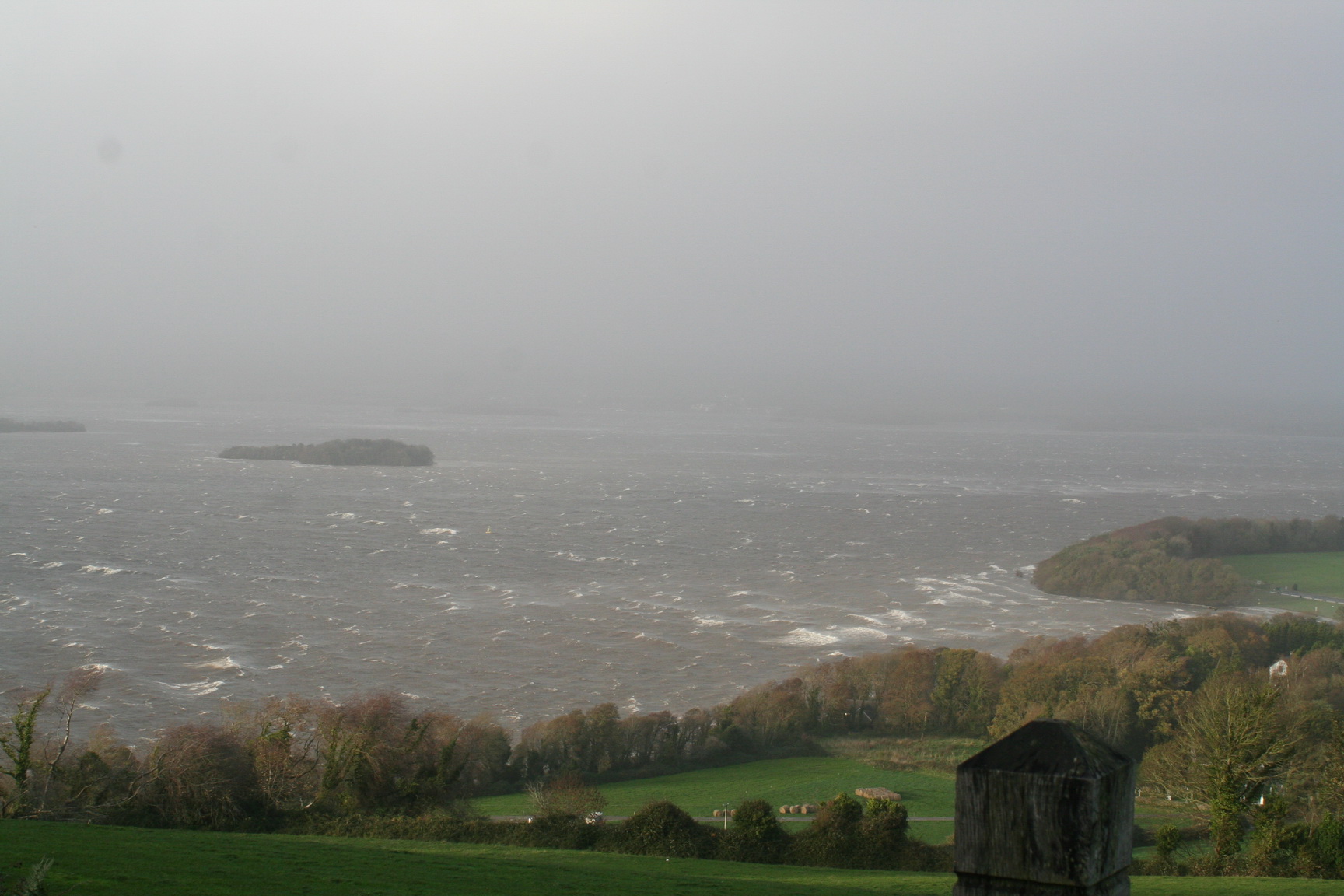
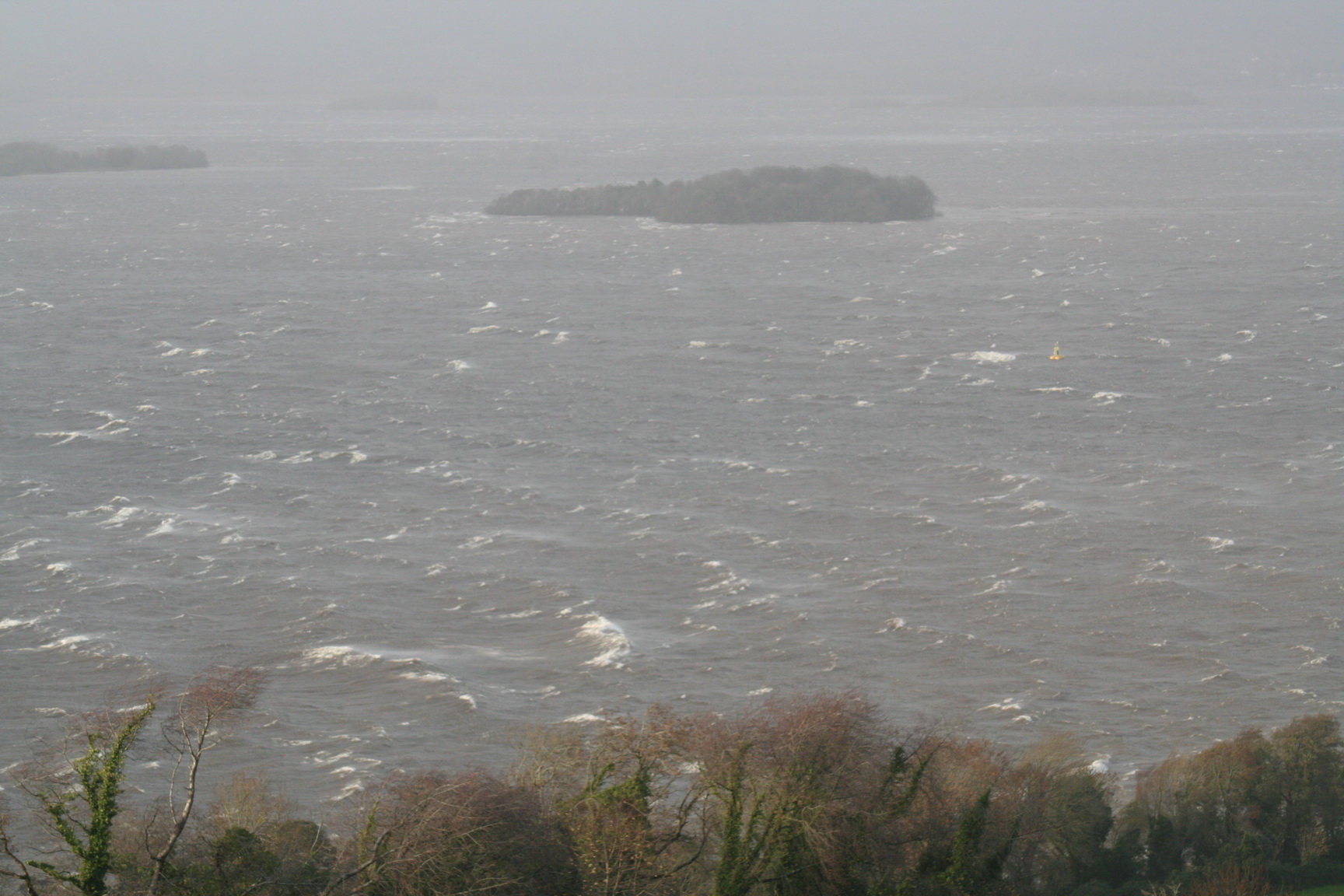
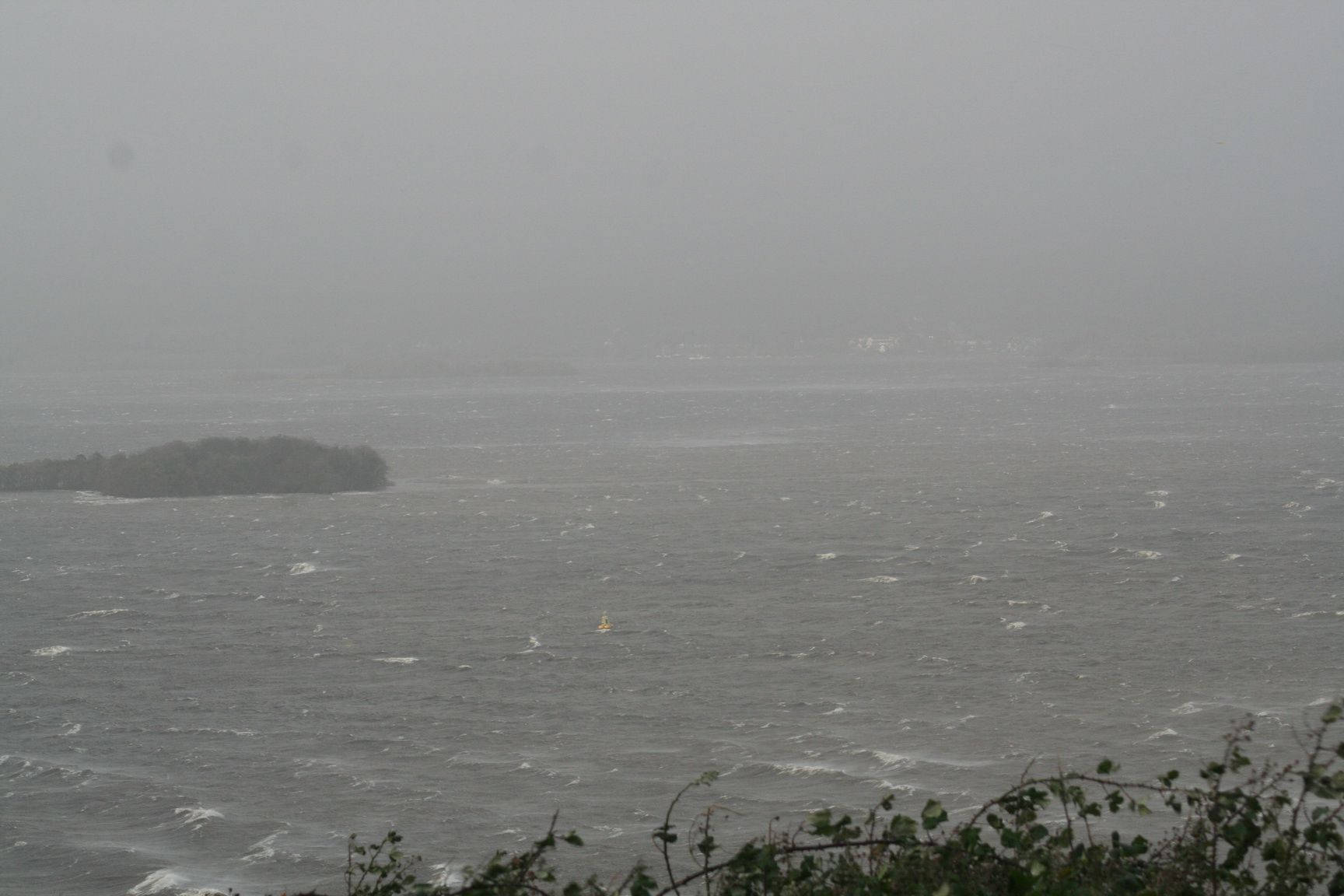
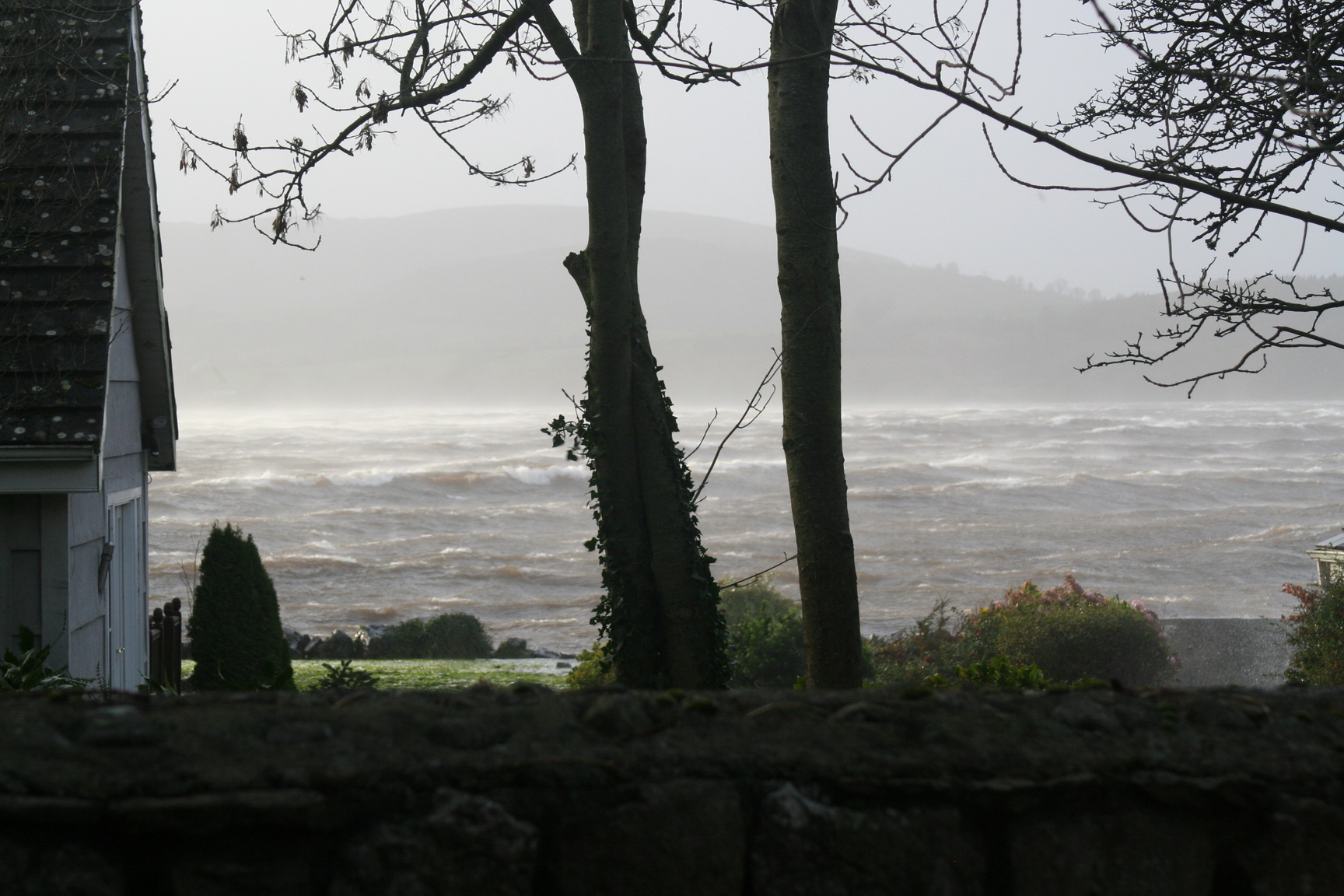
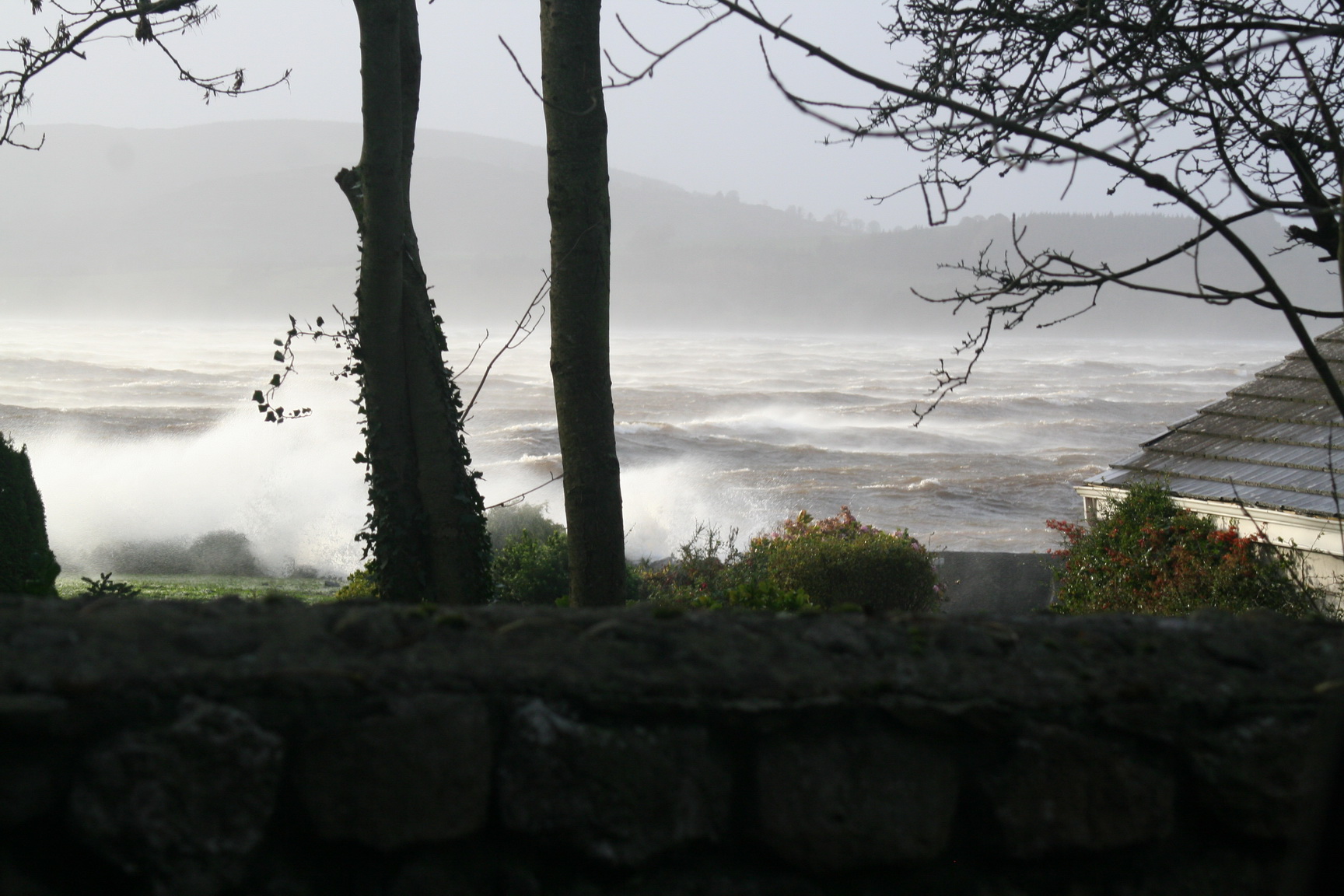
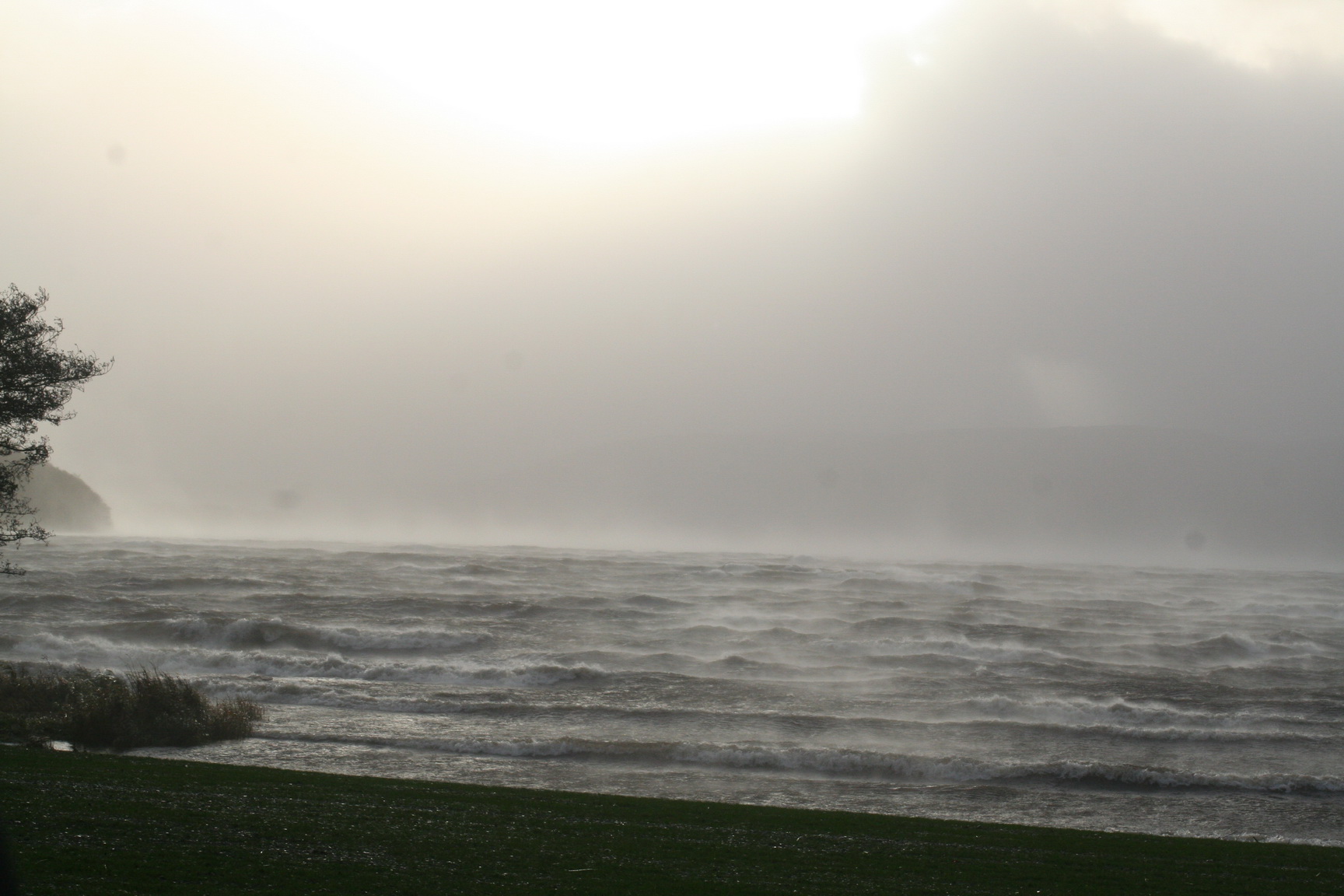
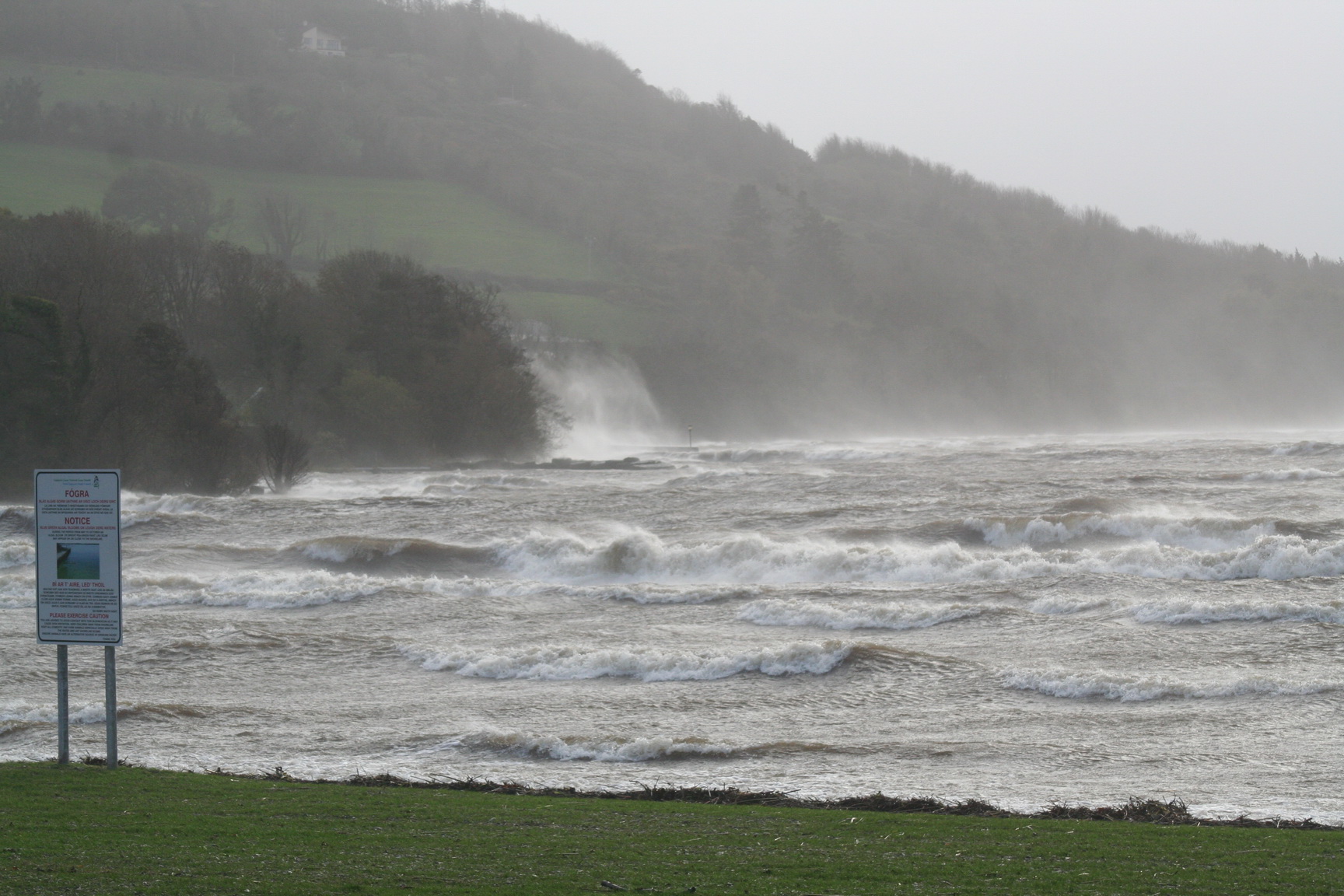
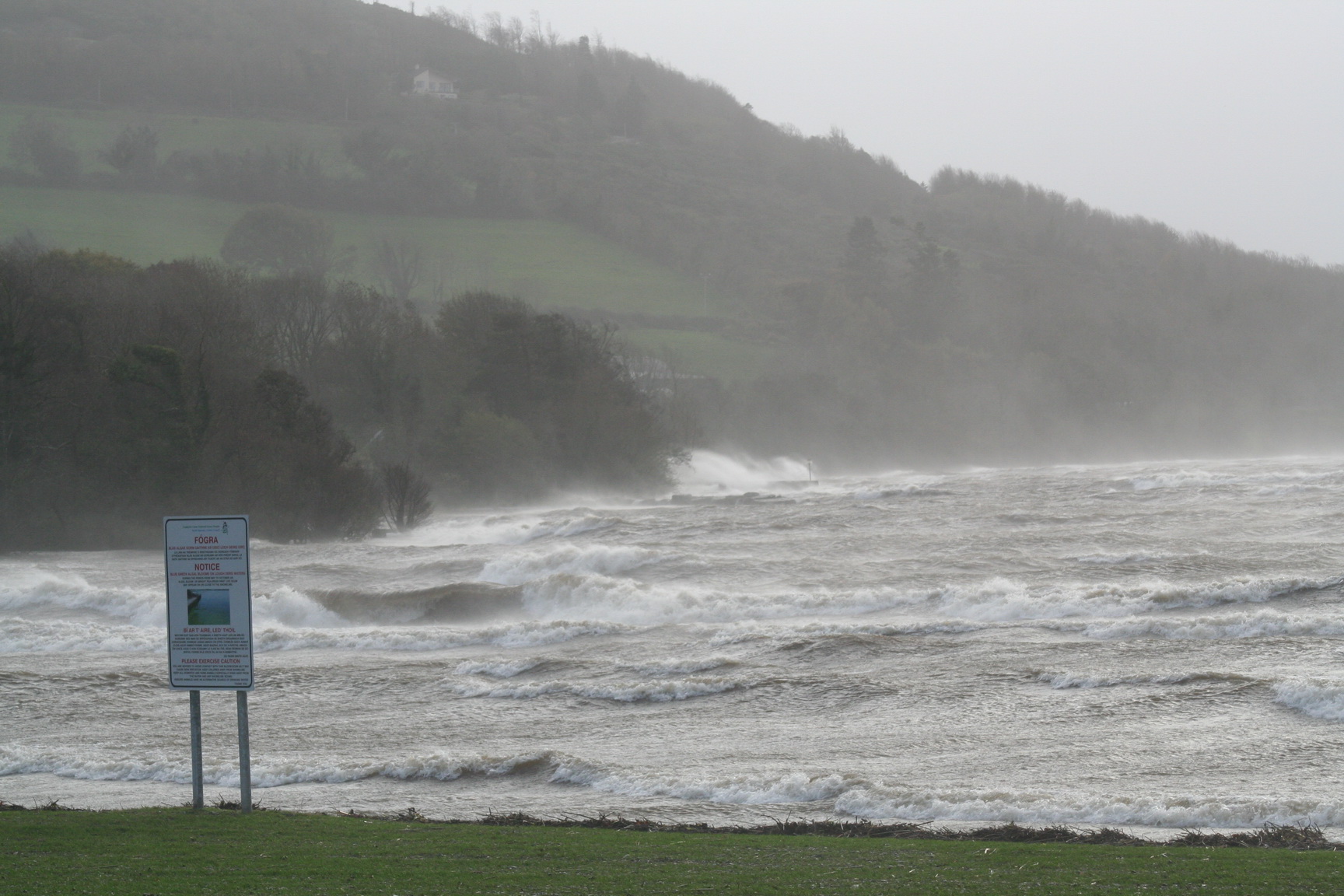
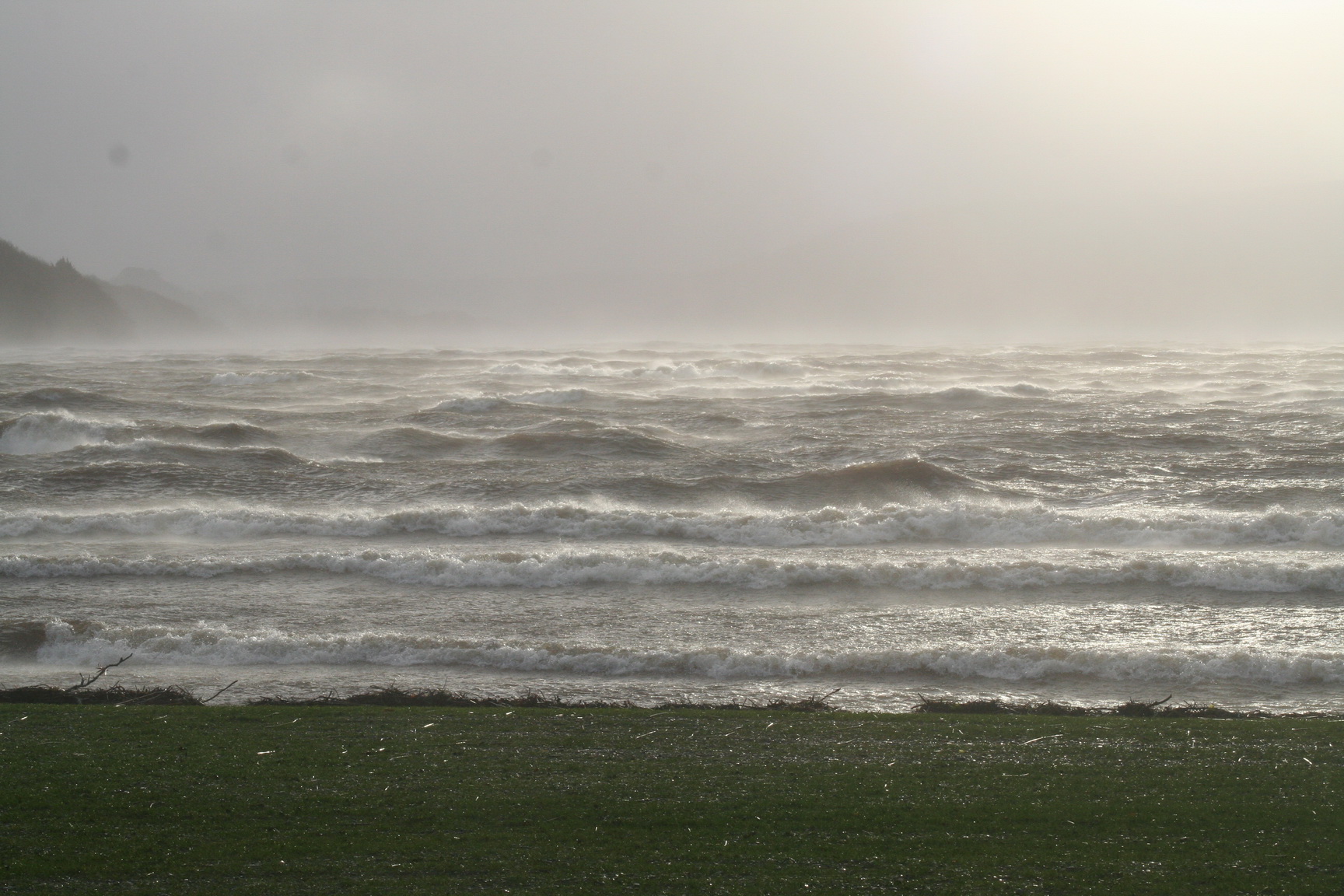
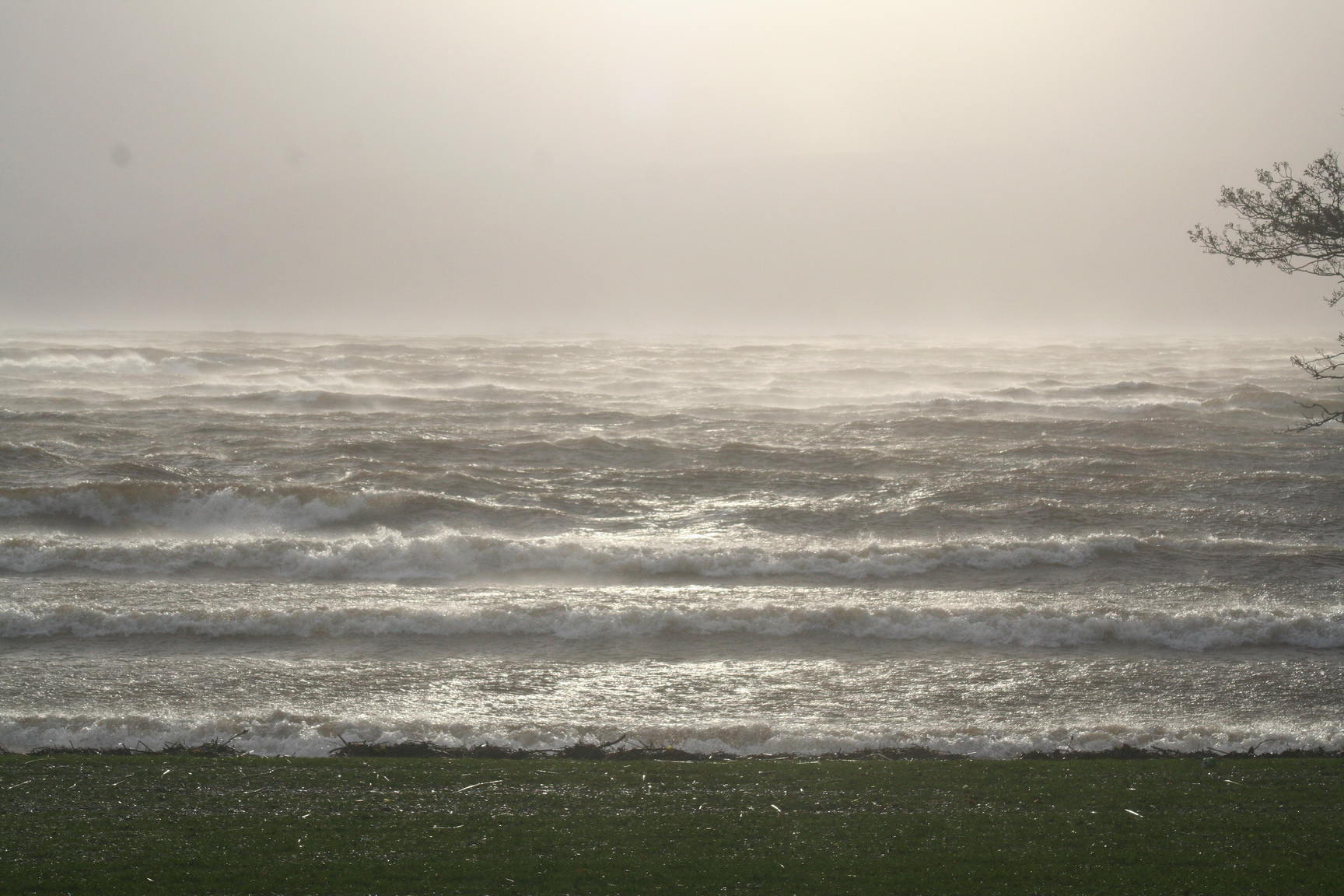
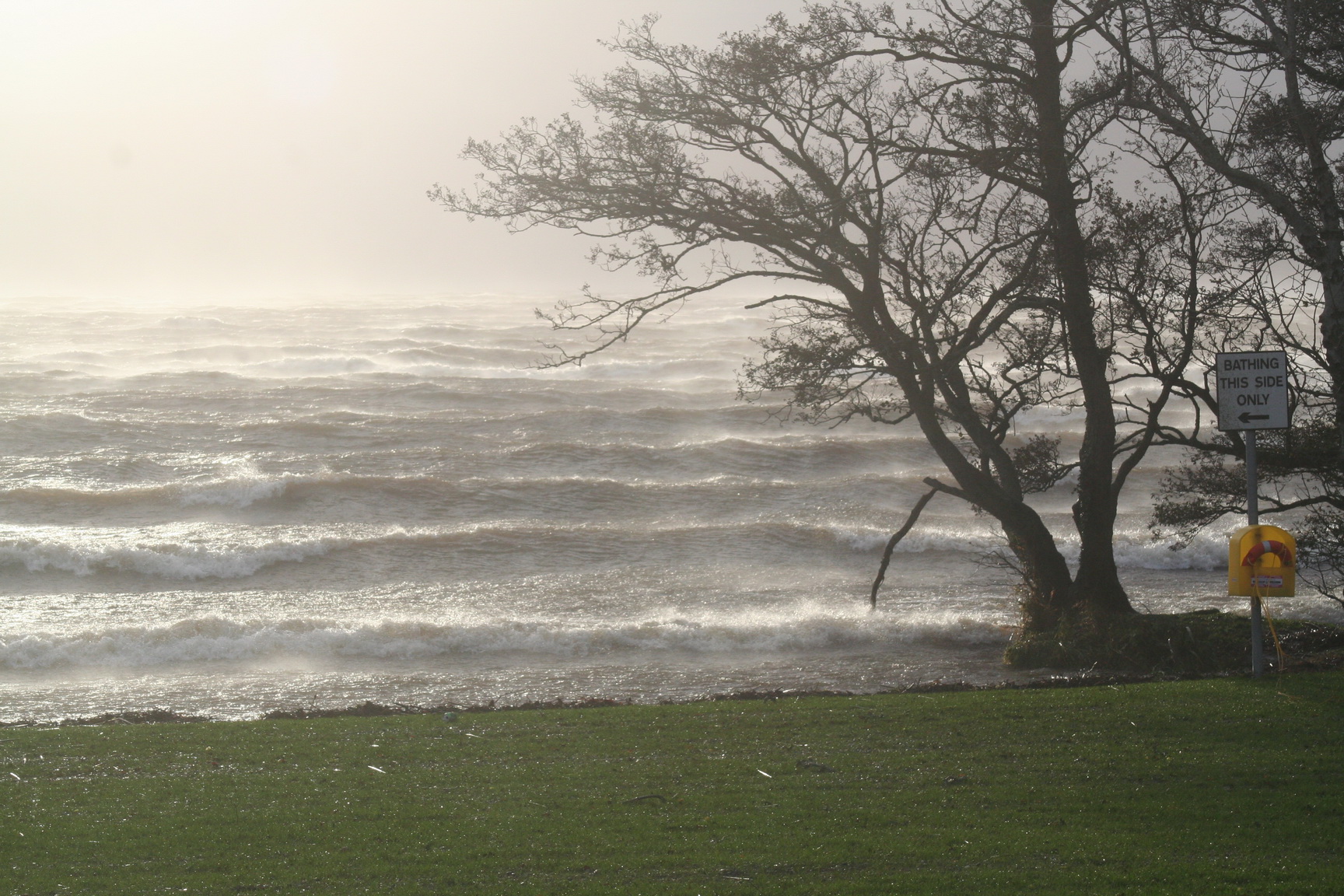
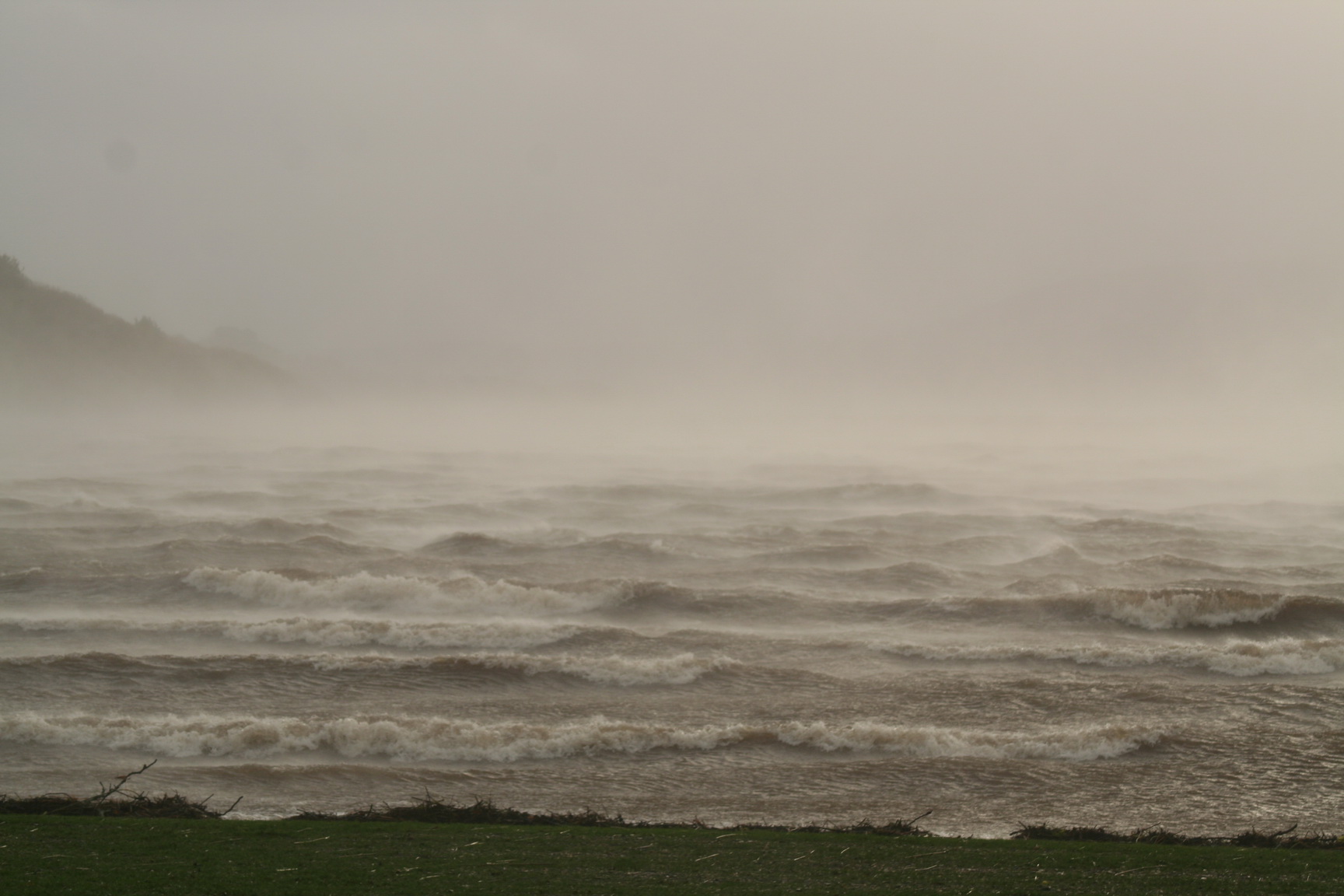
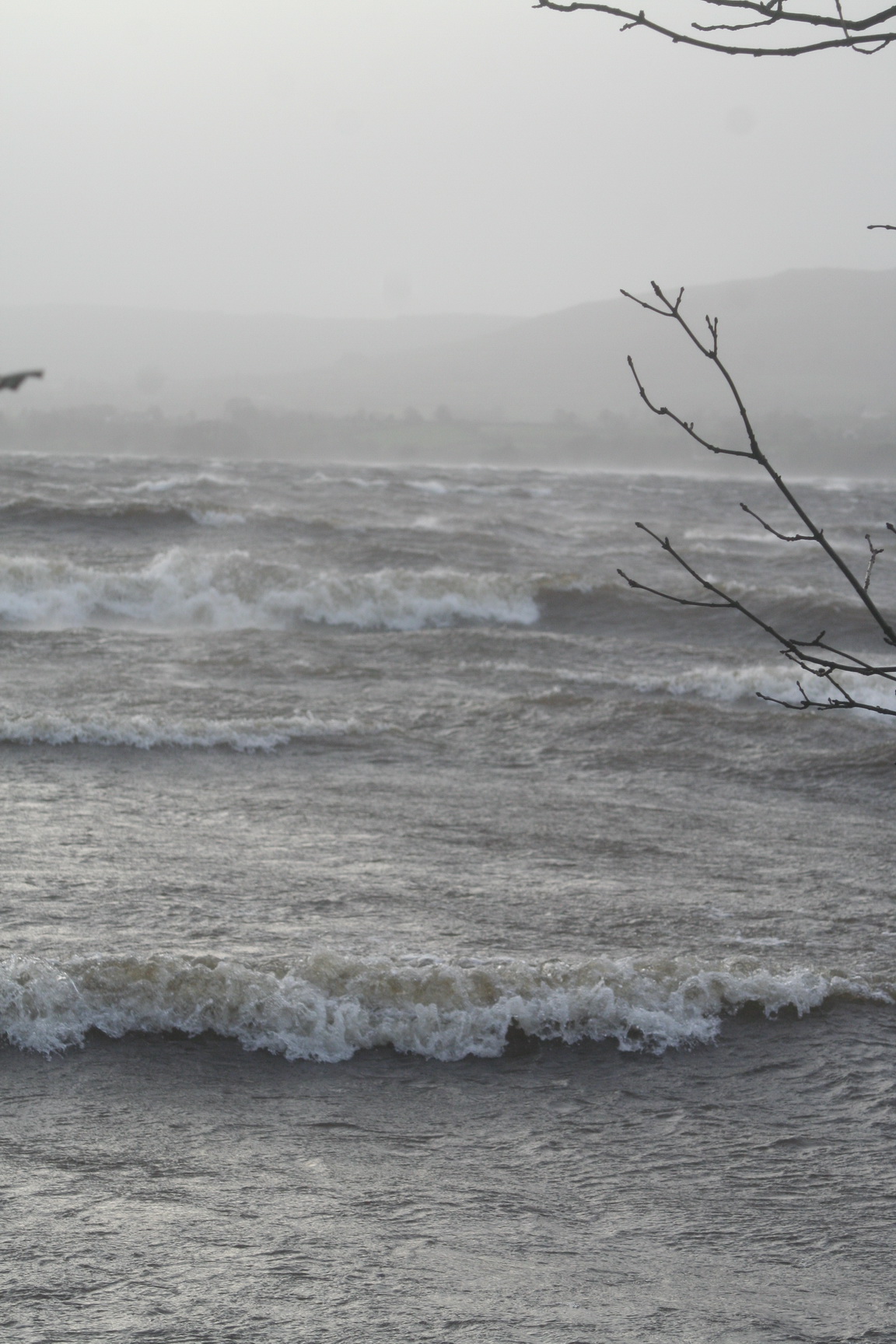
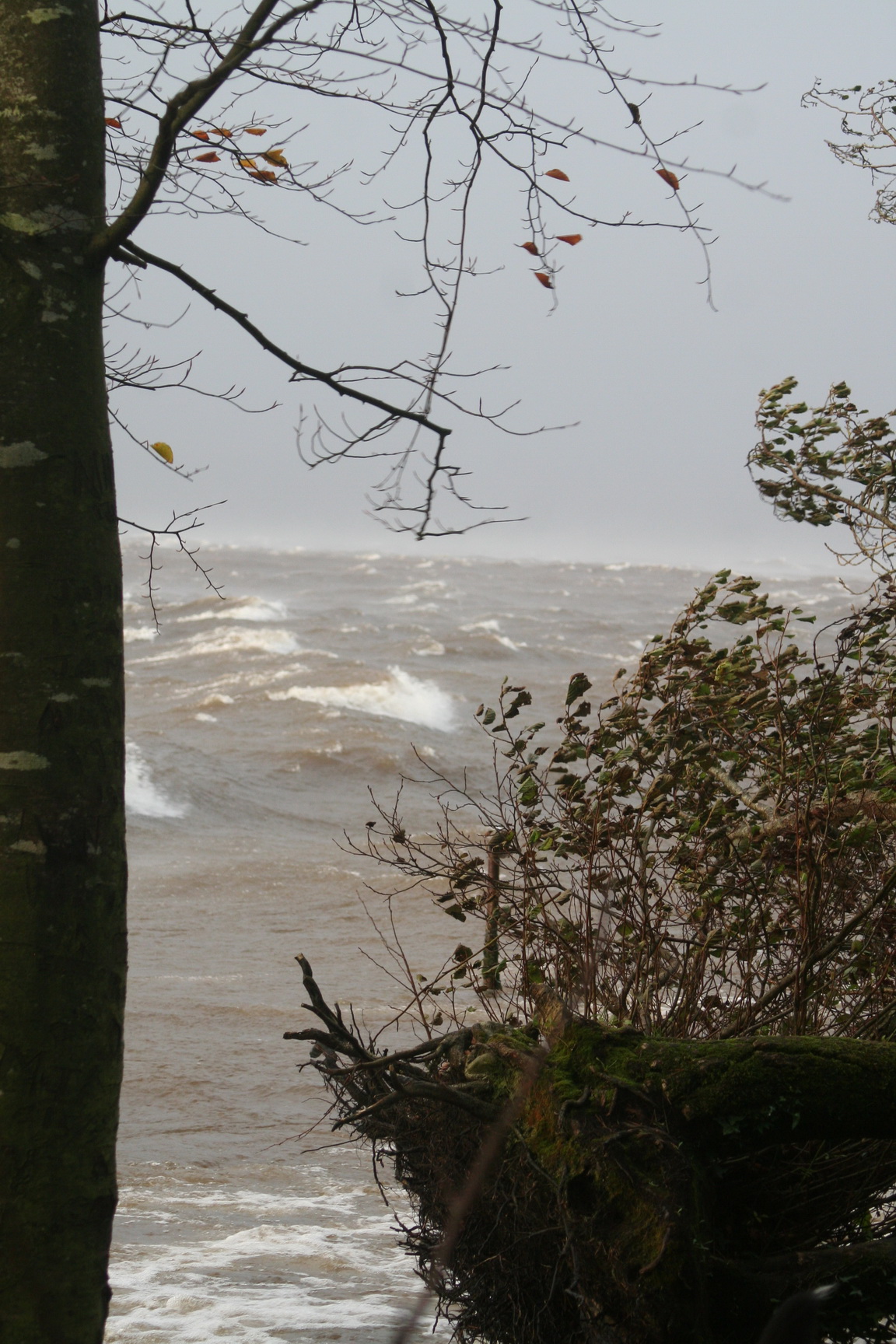
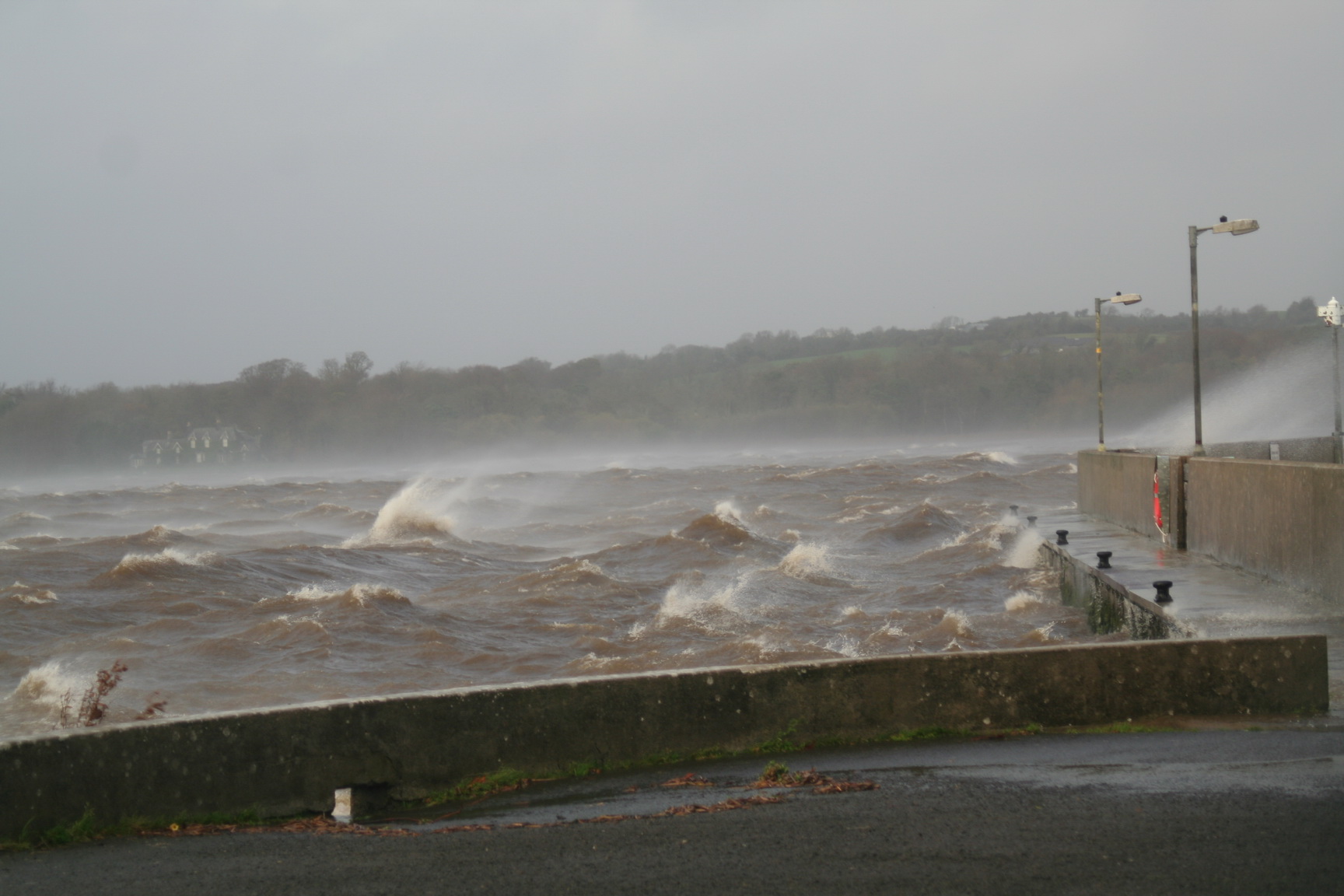
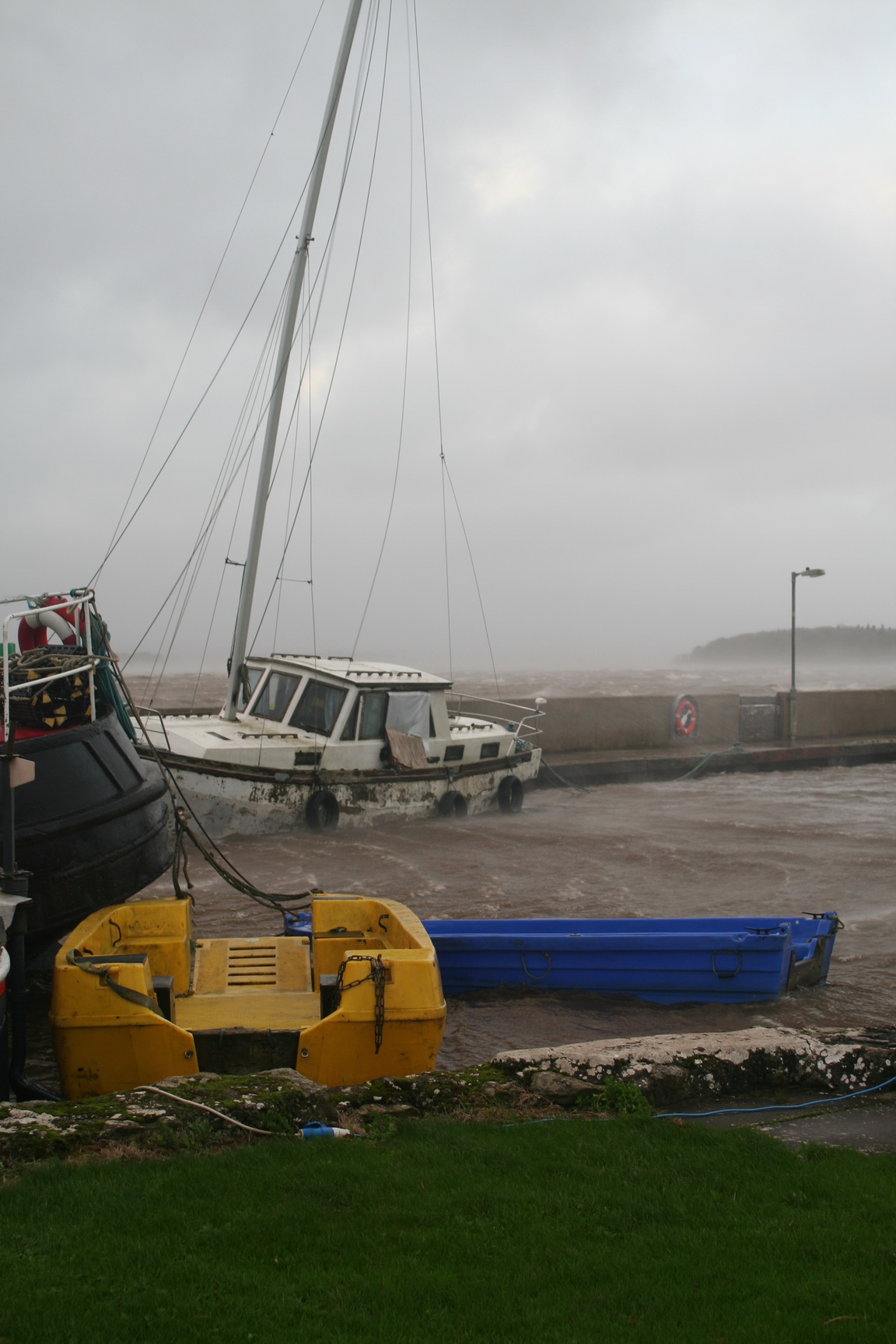
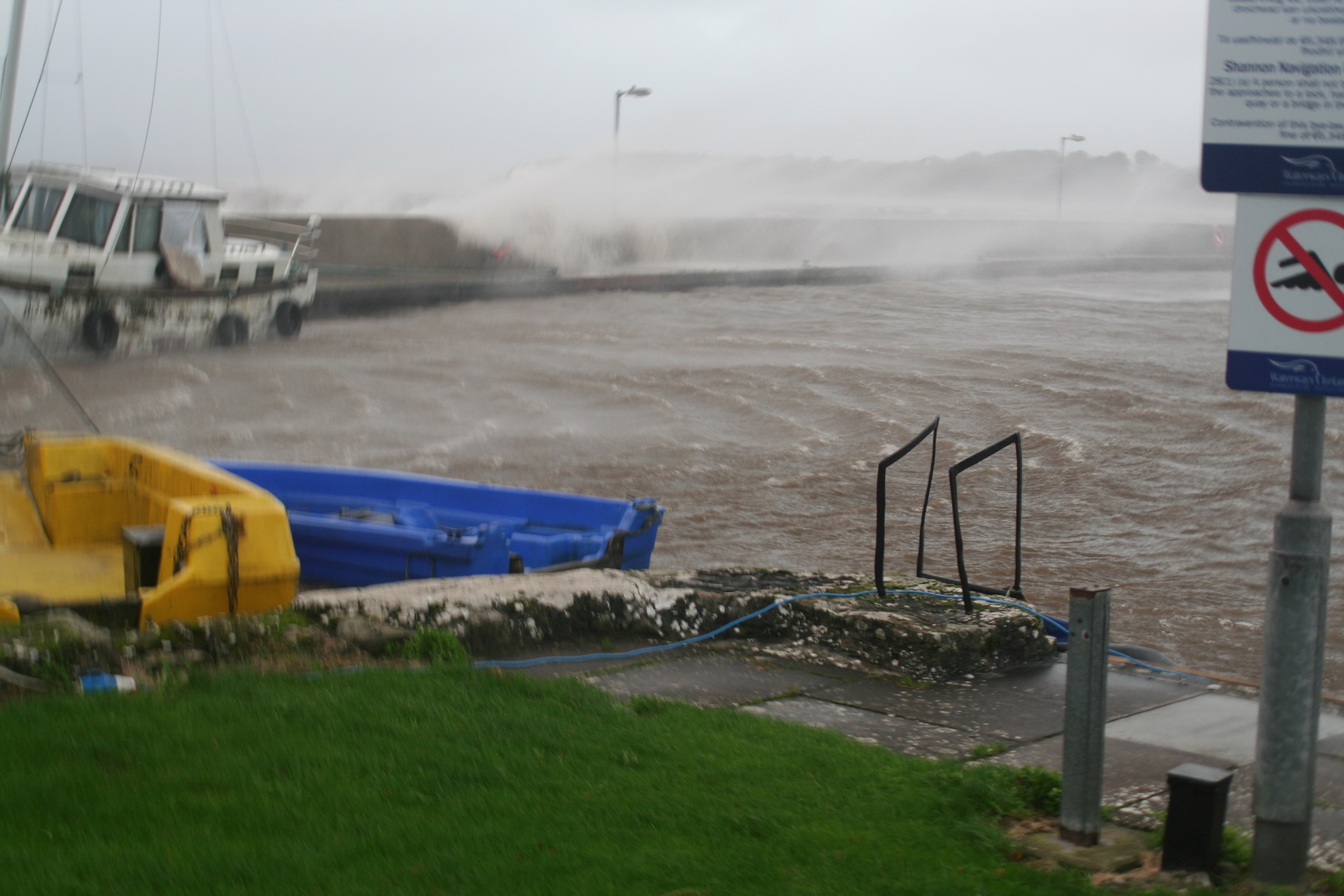
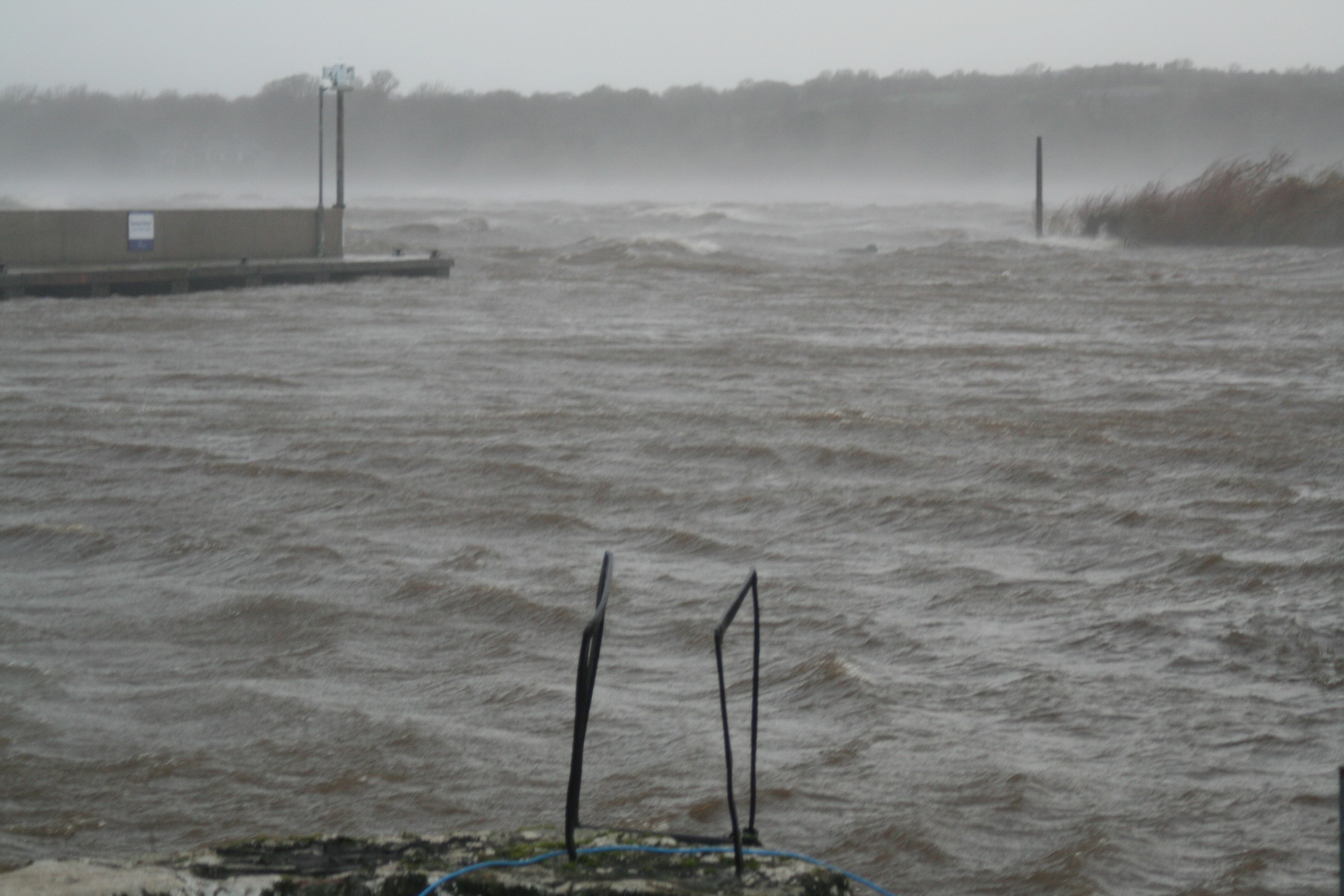
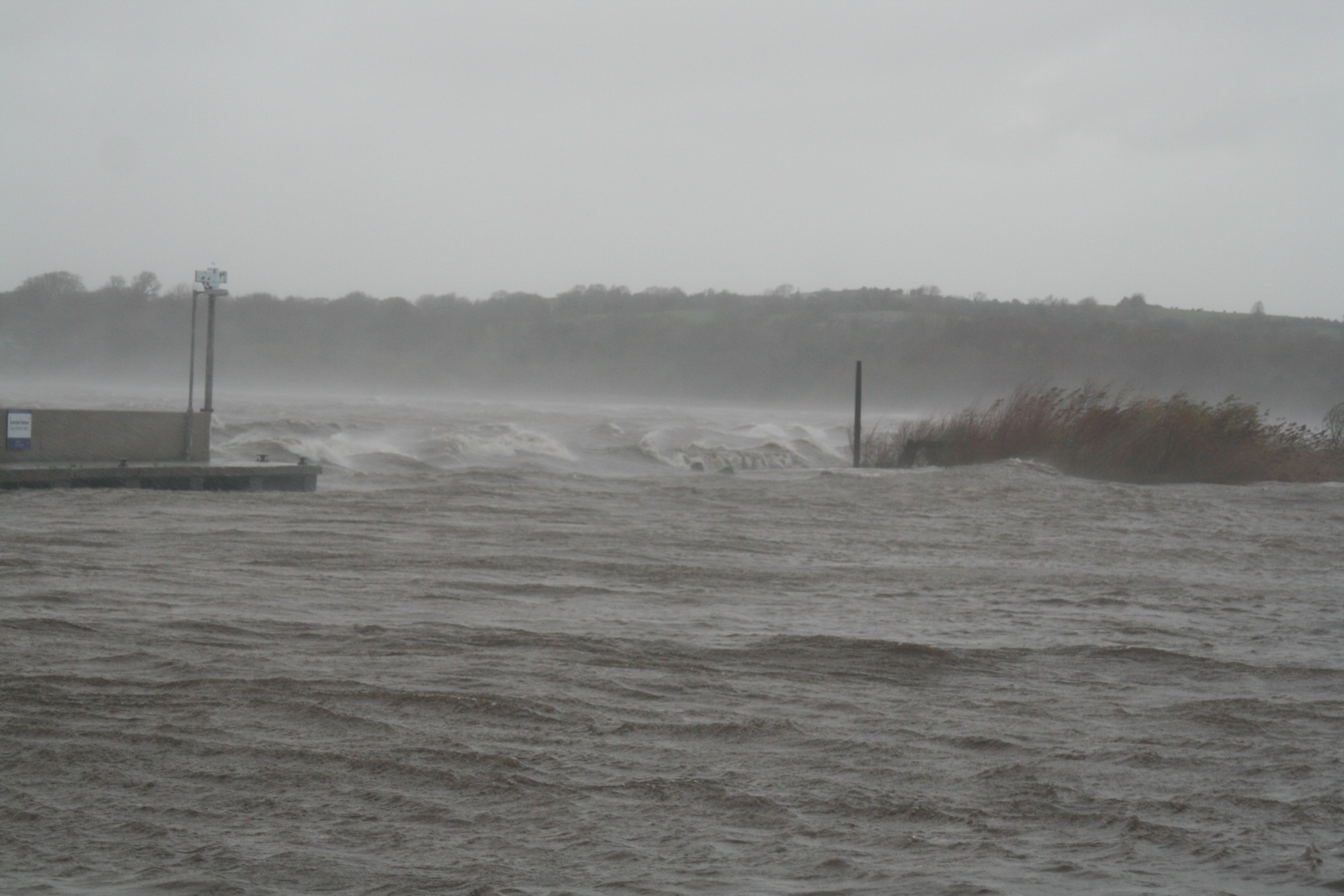
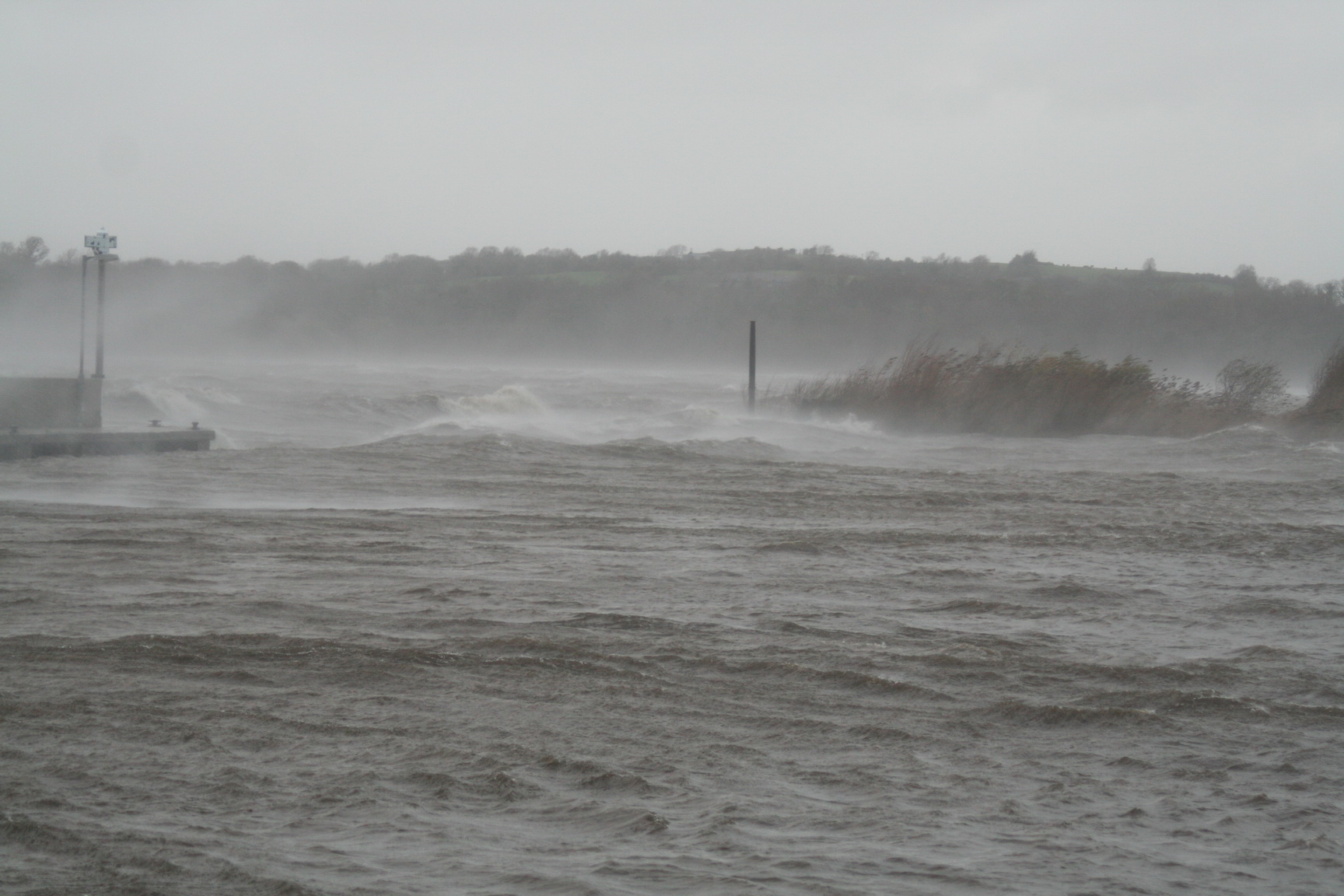
Photos of lower Lough Derg during Storm Barney on the afternoon of Tuesday 17 November 2015.

IMG_6181_resize

From the R494 driving north from Ballina

IMG_6191_resize

From the same position, looking around the other side of the house

IMG_6196_resize

From The Lookout 1

IMG_6197_resize

From The Lookout 2

IMG_6205_resize

From The Lookout 3

IMG_6206_resize

At Castletown 1

IMG_6212_resize

At Castletown 2

IMG_6213_resize

From the beach at Castlelough 1

IMG_6216_resize

From the beach at Castlelough 2

IMG_6220_resize

From the beach at Castlelough 3

IMG_6223_resize

From the beach at Castlelough 4

IMG_6224_resize

From the beach at Castlelough 5

IMG_6226_resize

From the beach at Castlelough 6

IMG_6265_resize

From the beach at Castlelough 7

IMG_6231_resize

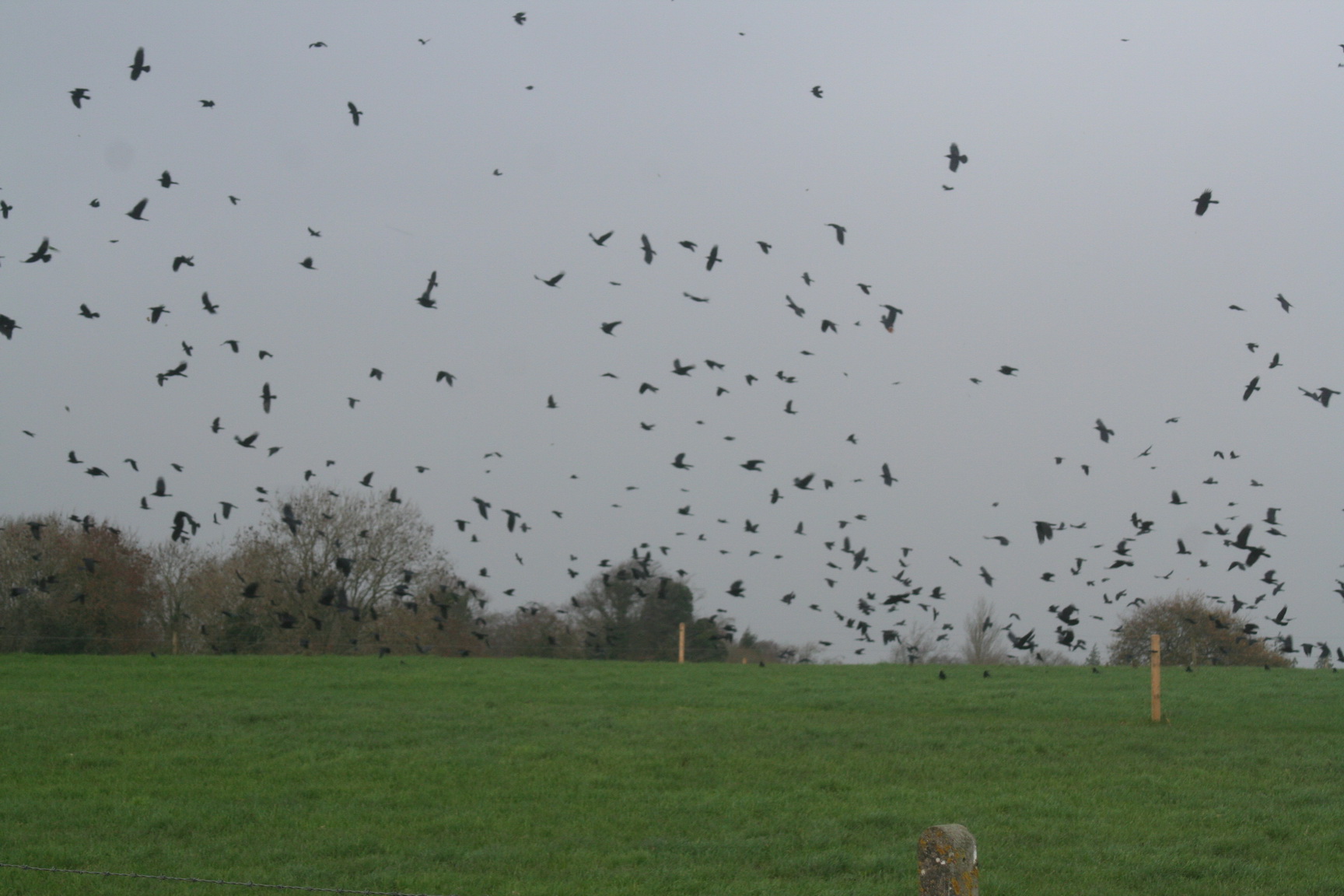
Crows at Castlelough

IMG_6240_resize

From the woods at Castlelough 1

IMG_6253_resize

From the woods at Castlelough 2

IMG_6283_resize

Dromineer 1

IMG_6296_resize

Dromineer 2

IMG_6299_resize

Dromineer 3

IMG_6337_resize

Dromineer 4

IMG_6345_resize

Dromineer 5

IMG_6348_resize

Dromineer 6

Pollboy Lock

I mentioned some time ago that, according to its Business Plan 2015, Waterways Ireland was considering automating Pollboy Lock, on the River Suck to Ballinasloe, in order to save costs. Like other offshoots from the main Shannon Navigation [Killaloe to Lough Key], the Suck is relatively little used.

According to the Connacht Tribune, the automation is to proceed and the lockkeeper is to be reassigned. It seems that some local councillors and “business interests” — who do not, as far as I know, contribute to Waterways Ireland’s income — regret the loss of an ambassador for the town. The keeper, Mr Coyne, was indeed extremely helpful to visiting boaters.

However, he could help only those who arrived at his lock: he could do nothing to attract more boating visitors to the town. That is not in the least a criticism of him, but rather a suggestion that councillors and business interests might perhaps have done, or yet do, more to attract visitors and increase the usage of the splendid harbour in Ballinasloe. Perhaps they might even appoint and pay a town ambassador?

A Sinn Féin councillor quoted in the article seems not to be entirely familliar with the duties of lockkeepers. Furthermore, he does not take account of the fact that the Shannon–Erne Waterway succeeds without lockkeepers — or that it was proposed that the Clones Sheugh [not-the-Ulster-Canal] operate in the same way. Surely a Sinn Féin councillor is not suggesting that, without keepers, the Sheugh might not be the enormous success that his party purports to believe it would be?

PS: the Tribune also has a piece about rubbish at Castle Harbour, Portumna.


WI funding

The cuts in funding to Waterways Ireland have been covered here many times. Now, thanks to the invaluable KildareStreet, we have official information on the matter from the Minister for Fairytales. A young chap called Martin Heydon [who has annoying automatically changing pics on his website], FG TD for Kildare South, put this written question to the minister:

To ask the Minister for Arts, Heritage and the Gaeltacht the funding provided by her Department to Waterways Ireland in each of the past five years; and if she will make a statement on the matter. [36691/15]

The minister, Heather Humphreys, FG TD for Cavan-Monaghan, wrote:

Waterways Ireland is co-funded by my Department and the Department of Culture, Arts and Leisure (DCAL) in Northern Ireland. The current expenditure of the body is funded 85% by my Department and 15% by DCAL, which reflects the distribution of the navigable waterways in each jurisdiction. Capital expenditure is funded 100% in the jurisdiction in which the capital works are carried out.

The amount of funding allocated to Waterways Ireland from my Department’s Vote for each of the years from 2011 to 2015 is set out in the following table.

Year €m
2011 €30.300m
2012 €27.099m
2013 €25.463m
2014 €24.183m
2015 €23.426m

This is useful because, since 2011, the annual budget figure for North South Cooperation has not been broken down between Waterways Ireland and the language shamrock. Last time it was, WI got about 60% of the current expenditure total and almost all the capital. We’ve had to wait for WI’s annual reports to find how much it got two years earlier.

So it’s useful to have these figures, but they would have been even more useful if the minister had distinguished between current and capital expenditure.

From the Multi-Annual Capital Investment Framework, it seems that WI got €3,368,000 for RoI capital spending in 2015. Subtracting that from the minister’s 2015 figure of €23,426,000 suggests that WI’s current spending budget for RoI in 2015 is €20,058,000, which is less than my rough estimate of 60% of the NSCoop total (€35,072,000 X 0.6 = €21,043,200).

In 2011, the Estimates figures showed that WI was to get €6 million for capital expenditure. Subtracting that from the minister’s figure for 2011, €30,300,000, leaves €24,300,000 for current spending in that year.

I haven’t cross-checked that with WI’s accounts, and I could be wrong in other ways: feel free to add a comment below if you can help to correct these figures.

What I make of it is that

  • total RoI spending on Waterways Ireland in 2015 was 77% of the 2011 figure
  • capital spending was down from €6,000,000 to €3,368,000, a cut of almost 44%
  • current spending was down from €24,300,000 to €20,058,000, a cut of 17.5%.

Clearly, Waterways Ireland would benefit from having new sources of income outside the control of the central exchequer. Perhaps Mr Heydon could persuade the canal-based boat-owners of Co Kildare to pay higher charges?

Capital expenditure

I said above that capital spending was down from €6,000,000 in 2011 to €3,368,000 for 2015, a cut of almost 44%.

However, it had been €11,000,000 in 2008, whence the cut is over 69%; the 2016 figure is less than 25% of the 2008.

It is clear therefore that the government does not see investment in waterways as being productive, either of economically desirable results (eg tourism earnings, jobs) or of politically desirable benefits for its TDs.

I wonder therefore why one of its TDs has drawn attention to the matter.

Grim oop north

Something similar has happened in Norn Iron, where an MLA of the minister’s party has asked a question about Waterways Ireland, whose HQ is in his constituency.

Another young chap, one Phil Flanagan (who seems to have joined Sinn Féin seven days before being elected as an MLA. Could that be right?), has asked two questions of the (Sinn Féin) Minister for Marching Bands:

  • AQW 50030/11-16: To ask the Minister of Culture, Arts and Leisure to detail the amounts in (i) financial terms; and (ii) percentage terms of the budget in Waterways Ireland that is set aside for pension payments for former staff; and whether this is comparable with other bodies.
  • AQW 50029/11-16: To ask the Minister of Culture, Arts and Leisure how the value of the Euro has affected the budget of Waterways Ireland in each of the last three years.

I look forward to reading the answers.

Is this a first?

The Irish Independent has a sane and realistic article about living on a barge on Irish inland waterways. I can’t recall seeing such a thing before.

The book Reedbound, mentioned in the article, is available here; it is highly recommended.

Tidal passage boats on the Suir

So late as the year 1807 the mail bags between Waterford and Clonmel were carried in a common cart and there was no public mode of conveyance between Carrick-on-Suir and Waterford but passage boats, the chief of which is well remembered as Tom Morrissey’s boat. These dropped from one town to the other as the tide served, fare fourpence a head, distance twelve miles, time occupied seven hours.

George Lewis Smyth Ireland: Historical and Statistical Vol II Whittaker and Co, London 1847, Chapter 14

Water charges

I see from the blatts that Limerick [City & County] Council had a “metropolitan district meeting” recently to discuss how the Shannon might be used to “attract tourism and offer water activities”. I thought it did have such activities: I’m almost sure I’ve seen people in boats, people fishing and so on. But the councillors want something sexier and they intend to pester the unfortunate folk in Waterways Ireland about it.

One Paul Kelleher, described as “(AAA)”, wants an “an Oxford/Cambridge style boat race between UL and LIT” and, alas, “a water bus, with tours down as far as Foynes.”

Unfortunately, since the Lord Lieutenant enjoyed a trip from Limerick to Foynes via Kilrush in 1856, many of the villa residences, mansions and other gentlemen’s seats have become unoccupied and demonstrations of loyalty are unlikely to greet the municipal water bus. Of course any such vessel will be enormously expensive to run, will have a short season and only a few years of popularity and will lose a lot of money. If it were likely to be profitable, private enterprise would already be offering such a service; it isn’t, so a subsidy or some form of sponsorship would be required.

Perhaps Irish Water could sponsor it from its surplus income.


Ballinasloe again

Another account, this dated 1838, of a trip by Grand Canal Company passage-boat from Dublin to Ballinasloe.

Grand Canal passage-boat

Here is an account, published in 1862, of what it was like to travel from Portobello, in Dublin, to Ballinasloe by the Grand Canal Company’s passage-boats — and of why rail travel was much to be preferred.