Category Archives: Natural heritage

Fracking Leitrim

This morning, on the wireless, I heard two people opposing the use of fracking to find gas around Lough Allen in Co Leitrim. Neither of them was convincing. One started by objecting to big multinationals being given licences to investigate the resources available; it is not clear that there was any ban on small native companies or workers’ cooperatives (or soviets of workers, peasants and soldiers) applying for licences, and presumably they could use traditional Irish implements like sleans if they wanted to.

The general line of argument adopted by the objectors was that anything that could go wrong would go wrong, probably all at the same time, wiping out the whole of Irish agriculture (some of which is not in Leitrim) and, er, eco-tourism. There would, the objectors seemed to suggest, be no preventive or mitigating measures and no insurance and the full cost of every accident would be borne by the residents of the area.
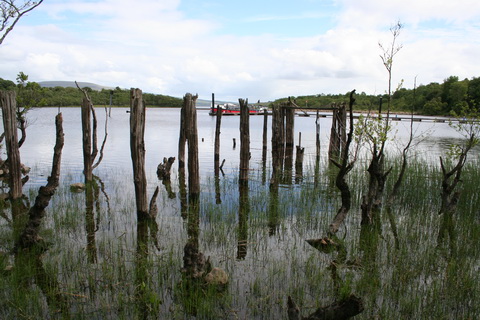
Remains of a pier at the brickworks, Spencer Harbour, Lough Allen


But the bit that really annoyed me was the depiction of the area as one of rural seclusion. Yet Lough Allen had canals, railways, coal mines, dams, iron works and brick works.
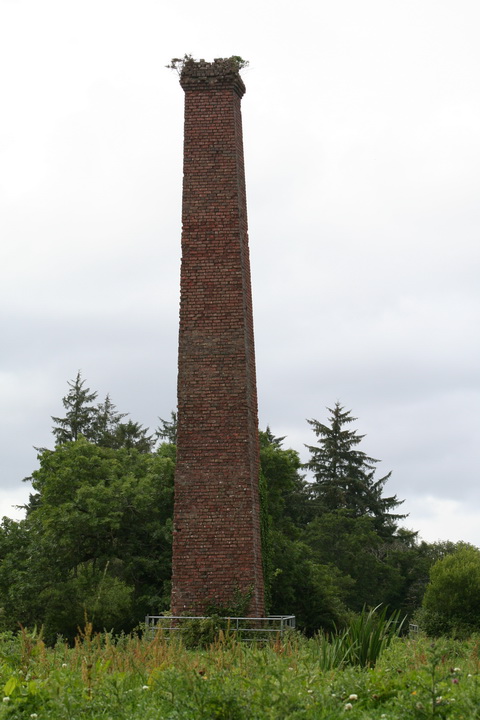
Spencer Harbour on Lough Allen


The very canal linking Lough Allen to the
rest of the Shannon Navigation owes its very existence to the desire
to carry coal from around Lough Allen to Dublin. And one of the most best tourism initiatives in the area, the Arigna Mining Experience, recognises that heritage.
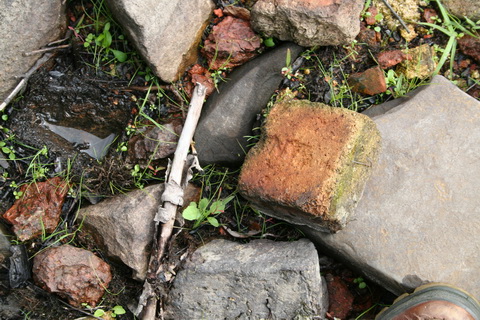
Part of a brick


Insist on proper assessment and management of risk by all means, but don’t exaggerate it — and don’t ignore Leitrim’s industrial heritage.
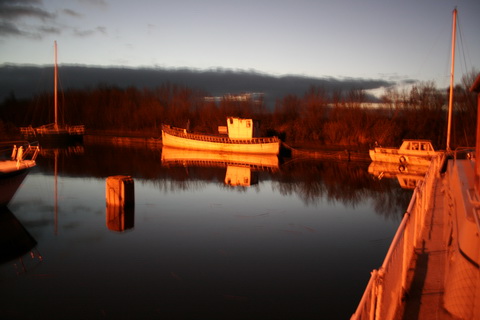
 

Dromaan at night

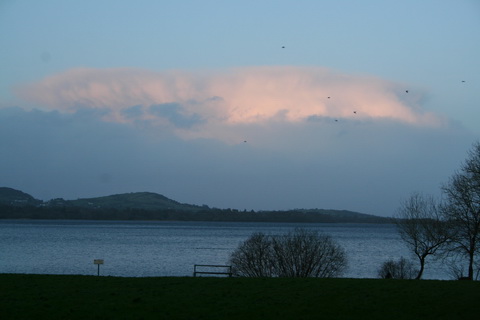
Dromaan at night (December 2011)

Lough Derg in winter

From Twomilegate December 2011

Build Ballylongford

The Irish Examiner reports on the proposed LNG storage terminal here. Richard Tol provides an informed view here. The objectors’ site is here. I note from the Examiner report that they say:

Shannon LNG is hoping to make millions of euro profits every year with state support at the consumers’ expense at time of increasing fuel poverty.

Unfortunately the report did not say why a wish to make profits is to be deprecated or why it is a bad idea to increase fuel supplies and security “at time of increasing fuel poverty” but perhaps the extensive bogs, whose product was exported through Saleen, are still available.

Finding Lough Derg

The Mid-West Regional Authority is seeking tenders for developing a “Signage Audit & Strategy for the Lough Derg Destination Area”.

The strategy is to cover

the Lough Derg Destination Area from Portumna to Ballina/Killaloe including the major settlements within this boundary incorporating both sides of Lough Derg ….

It involves auditing existing signposts within three miles of Lough Derg, consulting “key stakeholders” and developing a new signposting plan for the region. The new signage is to guide visitors to and through the Lough Derg Destination Area, to benefit the “local host community” and to provide a “comprehensive, branded, co-ordinated signage strategy for the Lough Derg Destination Area which will also inform and direct signage in the future”.


Lough Derg 1839

Drawings now uploaded. Much more activity in these than in the Lough Ree equivalents, with steamers towing barges, turf boats, the surveyors’ cutter and other excitements.


The Suir

South Tipperary County Council participated in the EU Waterways Forward project, with a focus on the River Suir. Here is a brief report on the Suir River Café project.

The other Irish participant was Waterways Ireland, whose project (PDF) was about the implementation of the Water Framework Directive on canals.

Two more sisters

Members of the Heritage Boat Association have, in recent weeks, visited Piltown (Co Kilkenny) and Portlaw (Co Waterford) by barge, the first time in many years that large vessels have been up those rivers.

Many of the published accounts of Portlaw, including the Heritage Council’s Heritage Conservation Plan, pay inadequate attention to the navigation of the Clodiagh; it may have been even richer than we thought.

The HBA has a press release about some significant finds at Portlaw.

The owners of the barge Hawthorn joined other boats for the trips and wrote about them here:

Here is the relevant section of the OSI map for Portlaw (choose one of the Historic options). Here is where the Pil joins the Suir (zoomed out).

Here is my own article (in need of updating) about Portlaw and the Clodiagh.

Incidentally, I contend that the OSI maps are wrong in describing the gates on the canal as flood gates: they would open to, rather than close against, an incoming flood, and would prevent the discharge of an outgoing flood.


Waterways Forward

Read about the EU’s Waterways Forward project here and download PDFs showing what the Irish participants Waterways Ireland and South Tipperary County Council got out of the project. WI’s project was on the implementation of the Water Framework Directive on the Royal and Grand Canals; South Tipperary County Council’s was about generating a shared vision for the Suir through the River Café project.

Some folk may recognise the canal boat on the WI document. That fella gets in everywhere.


Uncle Gaybo …

bigs it up for the Barrow, specifically a walk from Graiguenamanagh to St Mullins.