
As a preliminary to increasing coverage of the old Limerick Navigation, I have improved the section’s top-level page. I added maps of the separate sections of the navigation and distances (in eighths of miles) from Prothero and Clark.
The SS John Randolph, described as “America’s first successful iron ship in commerce”, is commemorated by a historical marker in Savannah, Georgia, USA.
The John Randolph was one of the first six iron vessels built by Lairds of Birkenhead (later merged into Cammell Laird). The other five were built for use on the River Shannon.
Posted in Ashore, Built heritage, Charles Wye Williams, Economic activities, Engineering and construction, Extant waterways, Foreign parts, Industrial heritage, Ireland, Irish inland waterways vessels, Irish waterways general, Operations, People, Politics, Restoration and rebuilding, Shannon, shannon estuary, Sources, Steamers, The cattle trade, Tourism, waterways, Waterways management
Tagged Birkenhead, boats, Charles Wye Williams, Clare, Dublin, estuary, Fergus, Garryowen, Georgia, Grand Canal, Ireland, iron, John Randolph, Killaloe, Lady Lansdowne, Laird, Limerick, lock, Lough Derg, Operations, Savannah, Shannon, steam, tug, vessels, waterways
Drawings now uploaded. Much more activity in these than in the Lough Ree equivalents, with steamers towing barges, turf boats, the surveyors’ cutter and other excitements.
Posted in Ashore, Built heritage, Charles Wye Williams, Economic activities, Engineering and construction, Extant waterways, Industrial heritage, Ireland, Irish inland waterways vessels, Irish waterways general, Natural heritage, Operations, People, Politics, Scenery, Sources, Steamers, The cattle trade, The turf trade, Tourism, waterways, Waterways management
Tagged Admiralty, Beechey, boats, Charles Wye Williams, chart, Clare, cutter, drawing, Grand Canal, Holy Island, hydrographic, Ireland, Killaloe, Lady Lansdowne, Limerick, Lough Derg, Nutgrove, Operations, quay, Shannon, survey, turf, vessels, waterways, Williamstown, Wolfe, workboat
Apologies to folk who have left Comments or otherwise communicated in recent weeks: I’ve been away, most recently at the far end of the Shannon and at Greenwich. I am now beginning to tackle my correspondence.
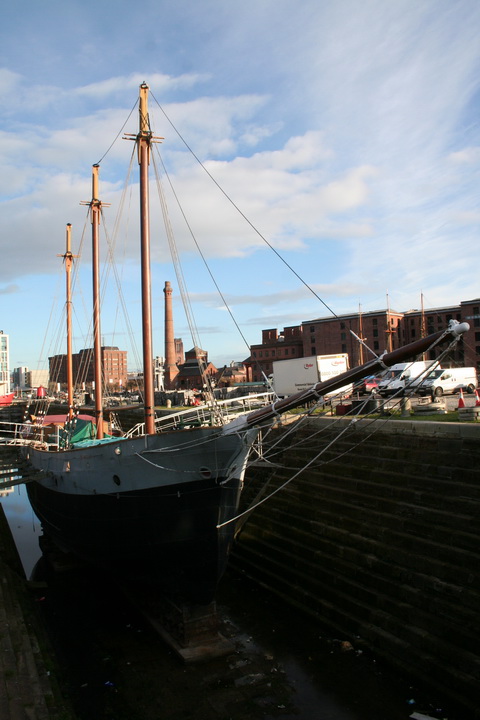
De Wadden
De Wadden formerly traded to the (Munster) Blackwater and is now displayed in a dry dock at Liverpool. I knew she was there, but I hadn’t known that the Kathleen & May, now on sale, was there too.
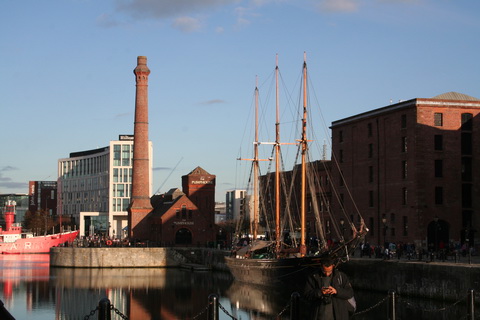
Kathleen & May
In Greenwich, I saw a bust of George Biddell Airy, late Astronomer Royal, whose work on the tides of the Shannon Estuary is of such great interest.
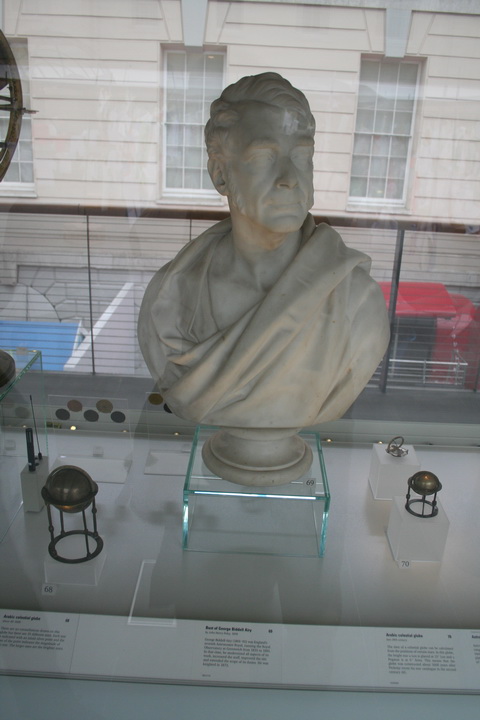
George Biddell Airy
Posted in Ashore, Charles Wye Williams, Economic activities, Engineering and construction, Extant waterways, Foreign parts, Industrial heritage, Ireland, Irish waterways general, Operations, People, Restoration and rebuilding, shannon estuary, Steamers, The cattle trade, Tourism, waterways, Waterways management
Tagged Airy, Blackwater, boats, De Wadden, Ireland, Kathleen & May, Shannon, tide, waterways
On a quick visit to Dublin, I managed to get a carless photo of the Broadstone MGWR station building.
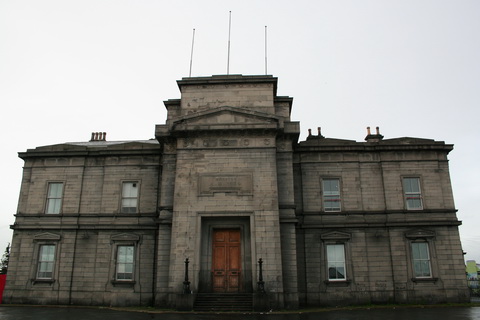
The Broadstone building
Book by Meitheal Mara being launched on 20 October 2011:
Galway possesses an immensely rich heritage of boats, beyond compare on the island of Ireland and significant in the wider European context. This book covers not only the well-known craft, the Curachs and Galway Hookers but also the lesser-known ones: the wooden angling boats of Lough Corrib; the ubiquitous Curach Adhmaid; the fishing boats – Lobster Boats, Trawlers and Half-Deckers; the Barges and Hire-cruisers of the Shannon; the Flats, Yawls and Curachs of the oyster fishery; the clinker punts and cots of the Shannon callows, and many more.
The book can be bought from the Meitheal Mara website.
This site has no commercial interest in the matter but I am happy to draw attention to books on aspects of Ireland’s waterways history and heritage.
… just some of the things you can see from the Killimer to Tarbert ferry.
Actually, I lied about the weirs, but they were there once. As were the salmon.
Posted in Ashore, Built heritage, Charles Wye Williams, Economic activities, Engineering and construction, Extant waterways, Industrial heritage, Ireland, Irish inland waterways vessels, Irish waterways general, Natural heritage, Non-waterway, Operations, Scenery, shannon estuary, Sources, Steamers, The cattle trade, The fishing trade, The turf trade, Tourism, waterways, Waterways management, Weather
Tagged battery, boats, Clare, Endesa, ESB, estuary, ferry, flow, fort, Ireland, jetties, Kerry, Kilkerin, Killaloe, Killimer, Kilrush, lighthouse, Limerick, Napoleon, Operations, power station, quay, redoubt, Shannon, Tarbert, Tarbert Race, Tarbert Roads, vessels, waterways, weir, workboat

 Irish waterways history