
… just some of the things you can see from the Killimer to Tarbert ferry.
Actually, I lied about the weirs, but they were there once. As were the salmon.
… just some of the things you can see from the Killimer to Tarbert ferry.
Actually, I lied about the weirs, but they were there once. As were the salmon.
Posted in Ashore, Built heritage, Charles Wye Williams, Economic activities, Engineering and construction, Extant waterways, Industrial heritage, Ireland, Irish inland waterways vessels, Irish waterways general, Natural heritage, Non-waterway, Operations, Scenery, shannon estuary, Sources, Steamers, The cattle trade, The fishing trade, The turf trade, Tourism, waterways, Waterways management, Weather
Tagged battery, boats, Clare, Endesa, ESB, estuary, ferry, flow, fort, Ireland, jetties, Kerry, Kilkerin, Killaloe, Killimer, Kilrush, lighthouse, Limerick, Napoleon, Operations, power station, quay, redoubt, Shannon, Tarbert, Tarbert Race, Tarbert Roads, vessels, waterways, weir, workboat
Posted in Extant waterways, Irish inland waterways vessels, People, Politics, shannon estuary
Tagged Blennerville, boats, Daniel O'Connell, Dublin, Grand Canal, Ireland, Kerry, Kerry Head, Limerick, prison, rowing, Tralee, vessels, waterways
No, not a rugby player, but a replica of one of the Shannon estuary workboats — the Massey Fergusons of their day — that carried turf towards Limerick and limestone back, as well as anything else that needed shifting further, or in larger quantities, than the canoes could manage.
The boat is being built at Querrin; see this article in the Irish Times.
Posted in Ashore, Built heritage, Economic activities, Engineering and construction, Extant waterways, Industrial heritage, Irish inland waterways vessels, Operations, Restoration and rebuilding, shannon estuary, The turf trade
Tagged boats, canoe, Clare, currach, Dixie Collins, Fergus, hooker, Ireland, jetties, Kerry, Limerick, limestone, Operations, quay, Querrin, Shannon, turf, vessels, waterways, workboat
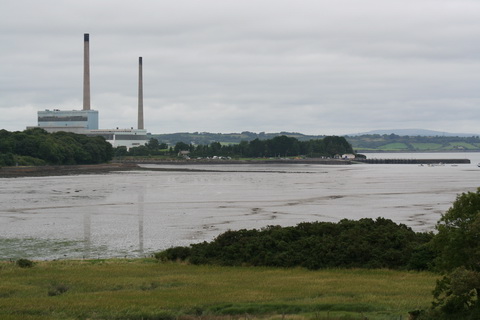
Tarbert Island
The Irish Times reports that:
AN BORD Pleanála has approved the application by Endesa Ireland, part of the Spanish energy company, to build a combined-cycle gas turbine power plant on the former ESB station at Tarbert, Co Kerry.
I presume that, when it says that “A submarine cable is to supply Moneypoint.” it means that a submarine pipe will do so: I imagine that the power station at Moneypoint is more likely to want gas than electricity from its rival across the estuary.
Tarbert is now the southern station for the ferries that cross the Shannon Estuary, but it has had a long history as an estuary port. Even before the first of the piers was built, Tarbert Roads provided a sheltered anchorage, and the estuary steamers adopted ingenious methods to get passengers and cargo from shore to steamer and vice versa.
Tarbert was also an important administrative centre and Tarbert Island (as was), which now houses piers and power station, had a Coast Guard station, a lighthouse, a signal mast and the largest of the six forts that guarded the Shannon Estuary. The ESB power station is built on the Ordnance Ground, right on top of the seven-gun battery, as you can see if you play with the Overlay feature on the Historic 6″ Ordnance Survey map.
Moneypoint had a large quarry; it may have been from there that Charles Wye Williams got the “marble” that he polished in the marble mill at Killaloe.
Saleen Pier at Ballylongford is covered here.
Posted in Ashore, Charles Wye Williams, Economic activities, Extant waterways, Forgotten navigations, Industrial heritage, Irish waterways general, Non-waterway, Operations, Scenery, shannon estuary, Steamers
Tagged Ballylongford, battery, boats, Clare, Coast Guard, ESB, ferry, flow, fort, Ireland, jetties, Kerry, Killaloe, Killimer, Kilrush, Limerick, marble mill, Moneypoint, Operations, ordnance ground, pier, quarry, quay, Saleen, Shannon, shannon estuary, Tarbert, vessels, waterways
The Listowel & Ballybunion Railway operated between 1888 and 1924, using perhaps the most eccentric railway technology ever invented: the monorail developed by Charles Lartigue.
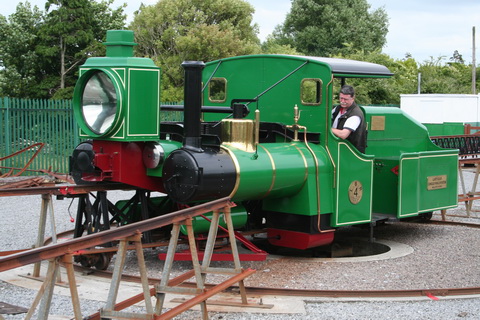
Very little original material was left after the railway closed, but a short section of railway has been recreated in the town of Listowel, Co Kerry, with a single locomotive (now diesel rather than steam) and two carriages. However, it shows the more exciting features of the original: the ingenious turntables and switches. There is also a small display of models, photographs and artefacts, and a showing of three short films, with some original newsreel footage of the railway in operation. The volunteer staff are knowledgeable and happy to chat and, all in all, it makes for a very entertaining few hours for anyone interested in transport or engineering.
Listowel is close to Ballybunion on the south side of the Shannon Estuary; anyone visiting the industrial heritage artefacts of the Lower Shannon Industrial Heritage Park could easily build in a visit to the Lartigue – and then take the ferry from Tarbert to Killimer and visit the West Clare Railway.
Read about the Lartigue here.
Posted in Economic activities, Industrial heritage, Non-waterway, shannon estuary
Tagged Ballybunion, Clare, diesel, ferry, industrial heritage, Ireland, Kerry, Kilrush, Lartigue, Limerick, Listowel, monorail, railway, Shannon, steam, transport history

 Irish waterways history