Category Archives: Operations

What’s my number?

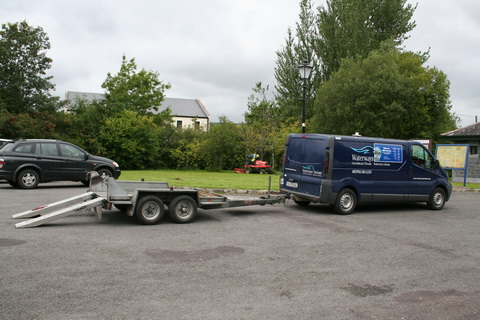
Grass-cutting team's van at Ballyconnell ...
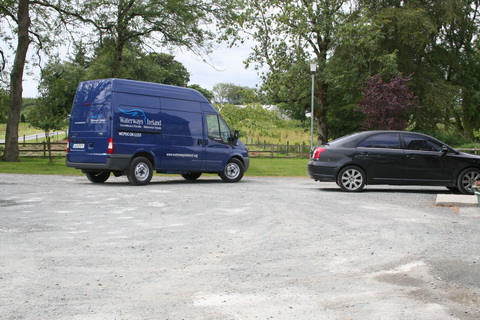
... and van at Riversdale

Notice that both vehicles have the same number on their sides:

WCPDC-08-1153

What is it?

It’s Waterways Ireland’s Waste Collection Permit number, issued by Dublin City Council to Waterways Ireland at its Enniskillen address, but handled by the Environment Officer in WI’s Scarriff office. The permit allows WI staff to pick up rubbish along their waterways in counties Carlow, Cavan, Clare, Fingal, Galway, Kildare, Kilkenny, Laois, Leitrim, Limerick, Longford, Meath, Monaghan, North Tipperary, Offaly, Roscommon, South Dublin and Westmeath and in Dublin and Limerick cities. It will expire on 17 June 2014, so the link above may stop working after that.

Note that WI is not permitted to pick up dogshit (if that’s what “animal by-products” are) or batteries.

WI has 92 vehicles authorised to pick up waste.

Isn’t that interesting? What a lot of stuff WI staff have to know about and what a lot of regulations they have to comply with.


Dredging in Limerick

The Limerick Leader has a story here.

Garlic for engineers

Information has arrived from the Department of Arts, Heritage and the Gaeltacht. I have accordingly updated my page about the Ulster Canal and the Infrastructure and Capital Investment 2012-16: Medium Term Exchequer Framework.

The Suir

South Tipperary County Council participated in the EU Waterways Forward project, with a focus on the River Suir. Here is a brief report on the Suir River Café project.

The other Irish participant was Waterways Ireland, whose project (PDF) was about the implementation of the Water Framework Directive on canals.

The far end of the Shannon

Apologies to folk who have left Comments or otherwise communicated in recent weeks: I’ve been away, most recently at the far end of the Shannon and at Greenwich. I am now beginning to tackle my correspondence.

De Wadden

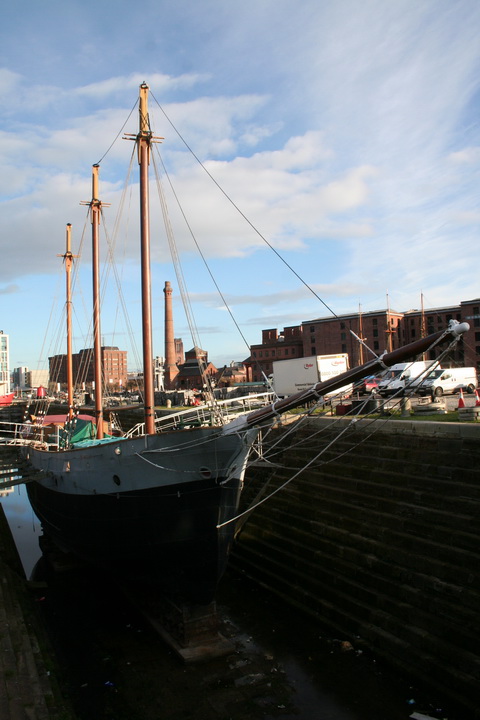
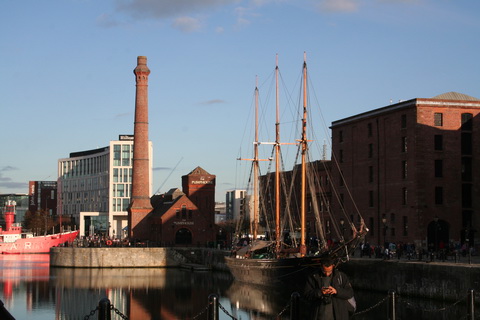
De Wadden formerly traded to the (Munster) Blackwater and is now displayed in a dry dock at Liverpool. I knew she was there, but I hadn’t known that the Kathleen & May, now on sale, was there too.

Kathleen & May

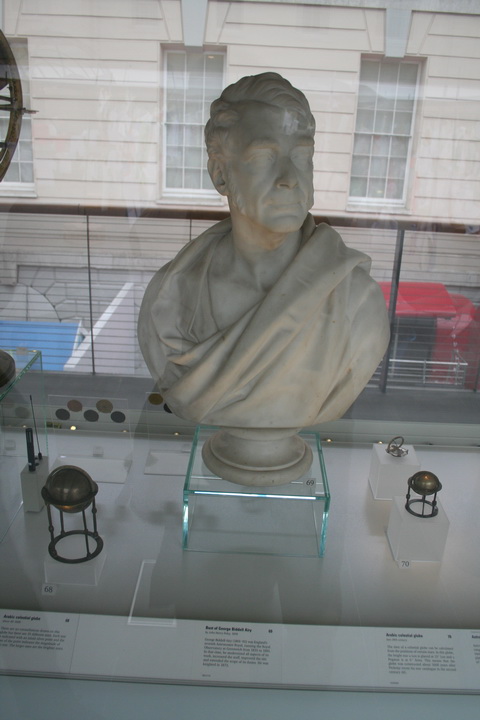
In Greenwich, I saw a bust of George Biddell Airy, late Astronomer Royal, whose work on the tides of the Shannon Estuary is of such great interest.

George Biddell Airy


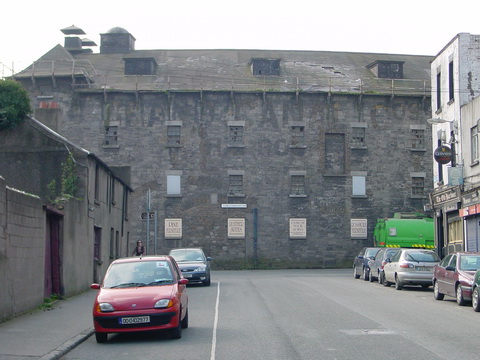
Grand Canal Harbour maltings: a protected structure

I see on this website that the curved building at Grand Canal Harbour in Dublin, is a protected structure.

Here is the roof in 2007:

The roof in 2007

Here is the roof in October 2011:

The roof in October 2011

I have asked the developers for their comments.


Shannon estuary: Aughinish

The Irish Times reports that Rusal, current owners of the Aughinish Alumina plant, want to increase production. See the plant and its “waste storage facility” here (satellite view on a larger map is best):

Glorious Galway

Book by Meitheal Mara being launched on 20 October 2011:

Galway possesses an immensely rich heritage of boats, beyond compare on the island of Ireland and significant in the wider European context. This book covers not only the well-known craft, the Curachs and Galway Hookers but also the lesser-known ones: the wooden angling boats of Lough Corrib; the ubiquitous Curach Adhmaid; the fishing boats – Lobster Boats, Trawlers and Half-Deckers; the Barges and Hire-cruisers of the Shannon; the Flats, Yawls and Curachs of the oyster fishery; the clinker punts and cots of the Shannon callows, and many more.

Link to PDF.

The book can be bought from the Meitheal Mara website.

This site has no commercial interest in the matter but I am happy to draw attention to books on aspects of Ireland’s waterways history and heritage.


Marketing

Troll on over to WI’s website where you can download the Draft Marketing Strategy 2011–2016. The current version has no images (thank goodness) — and no (or very few) numbers for tangible outcomes.

The annual marketing spend by Waterways Ireland is approximately €1million per annum with additional funding of approximately €2million being leveraged from other organisations to support the inland waterways sector.

“But what good came of it at last?” quoth Little Peterkin.
“Why, that I cannot tell,” said he, “but ’twas a famous victory.”


Two more sisters

Members of the Heritage Boat Association have, in recent weeks, visited Piltown (Co Kilkenny) and Portlaw (Co Waterford) by barge, the first time in many years that large vessels have been up those rivers.

Many of the published accounts of Portlaw, including the Heritage Council’s Heritage Conservation Plan, pay inadequate attention to the navigation of the Clodiagh; it may have been even richer than we thought.

The HBA has a press release about some significant finds at Portlaw.

The owners of the barge Hawthorn joined other boats for the trips and wrote about them here:

Here is the relevant section of the OSI map for Portlaw (choose one of the Historic options). Here is where the Pil joins the Suir (zoomed out).

Here is my own article (in need of updating) about Portlaw and the Clodiagh.

Incidentally, I contend that the OSI maps are wrong in describing the gates on the canal as flood gates: they would open to, rather than close against, an incoming flood, and would prevent the discharge of an outgoing flood.