Category Archives: Ashore

A bit of a barney

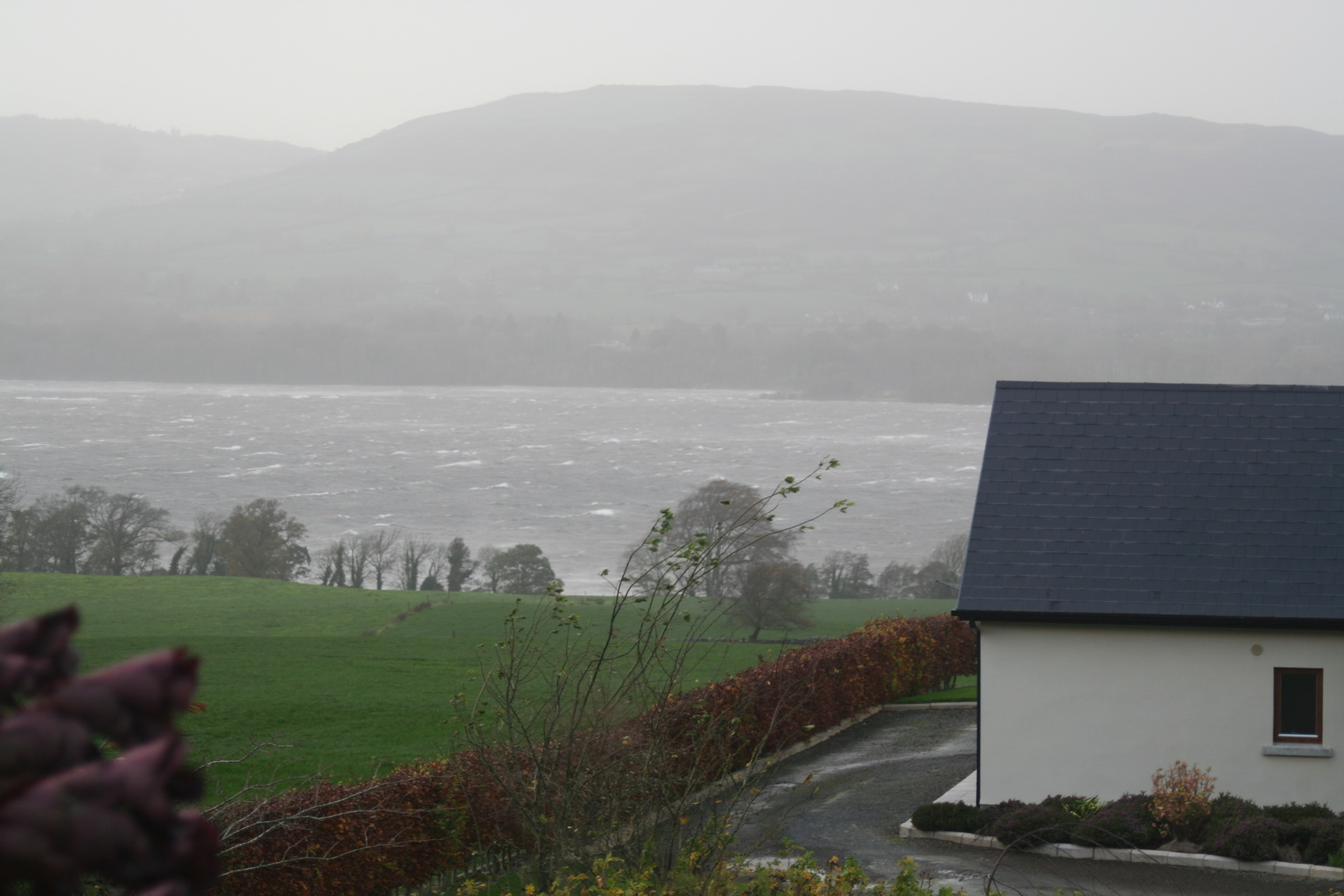
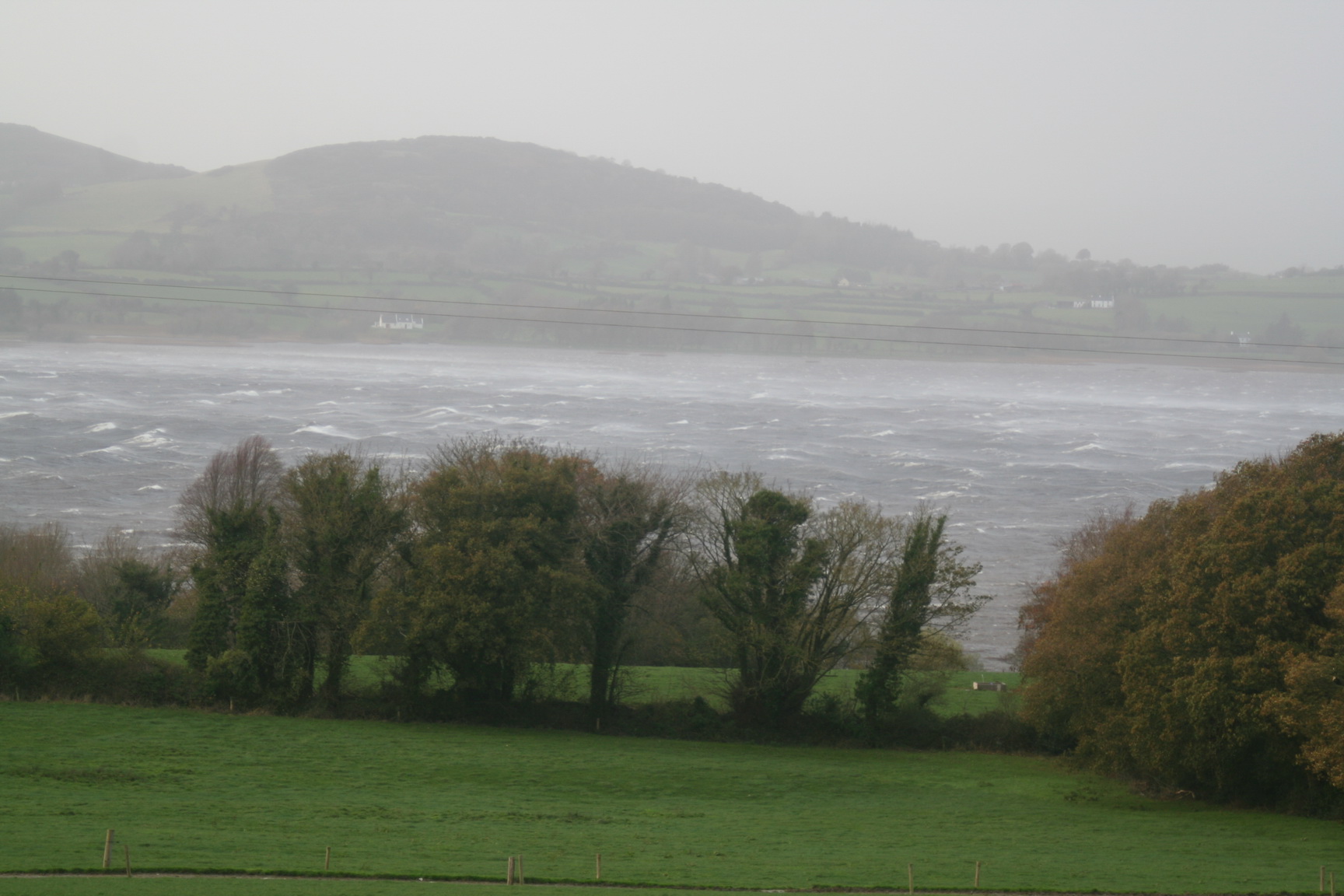
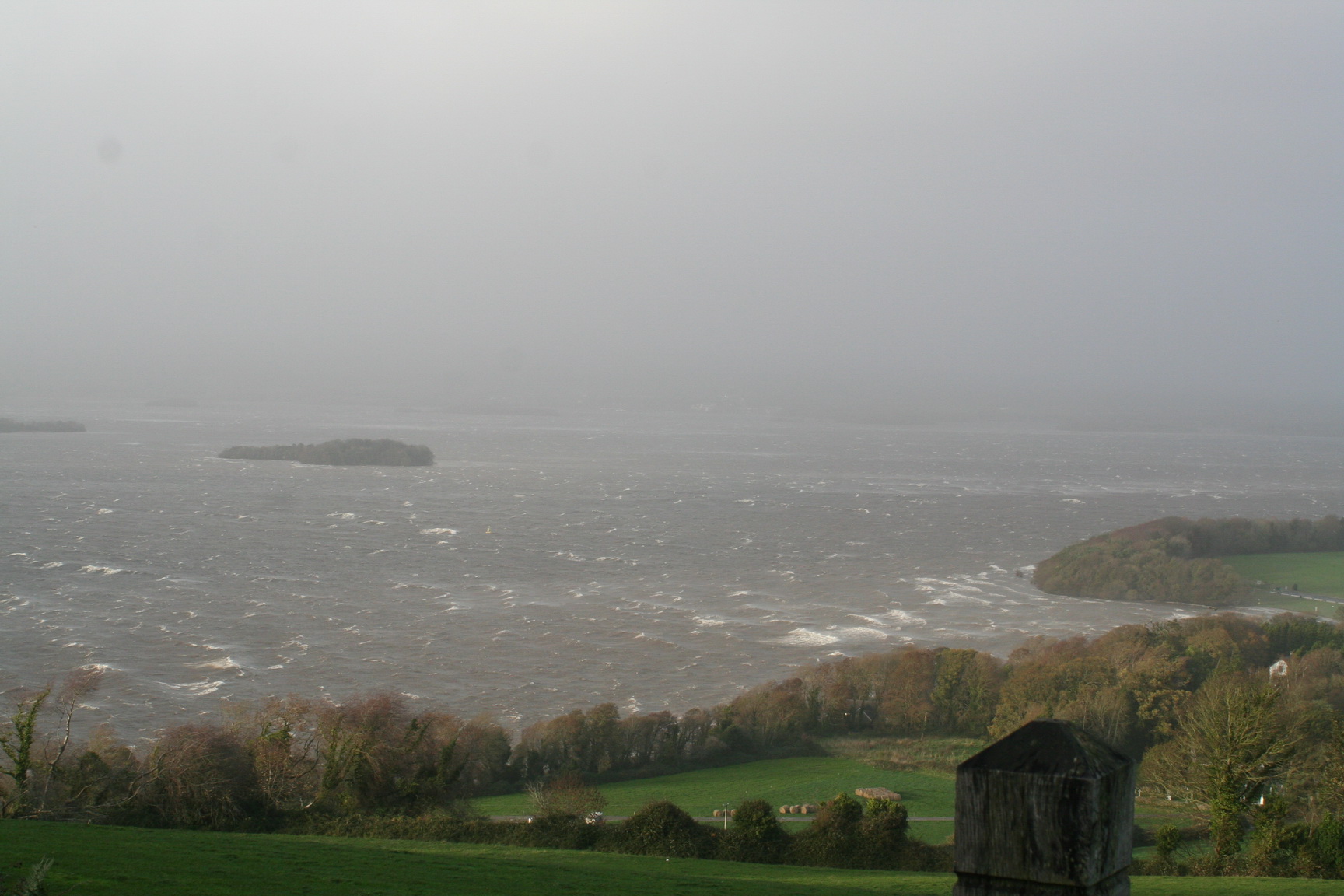
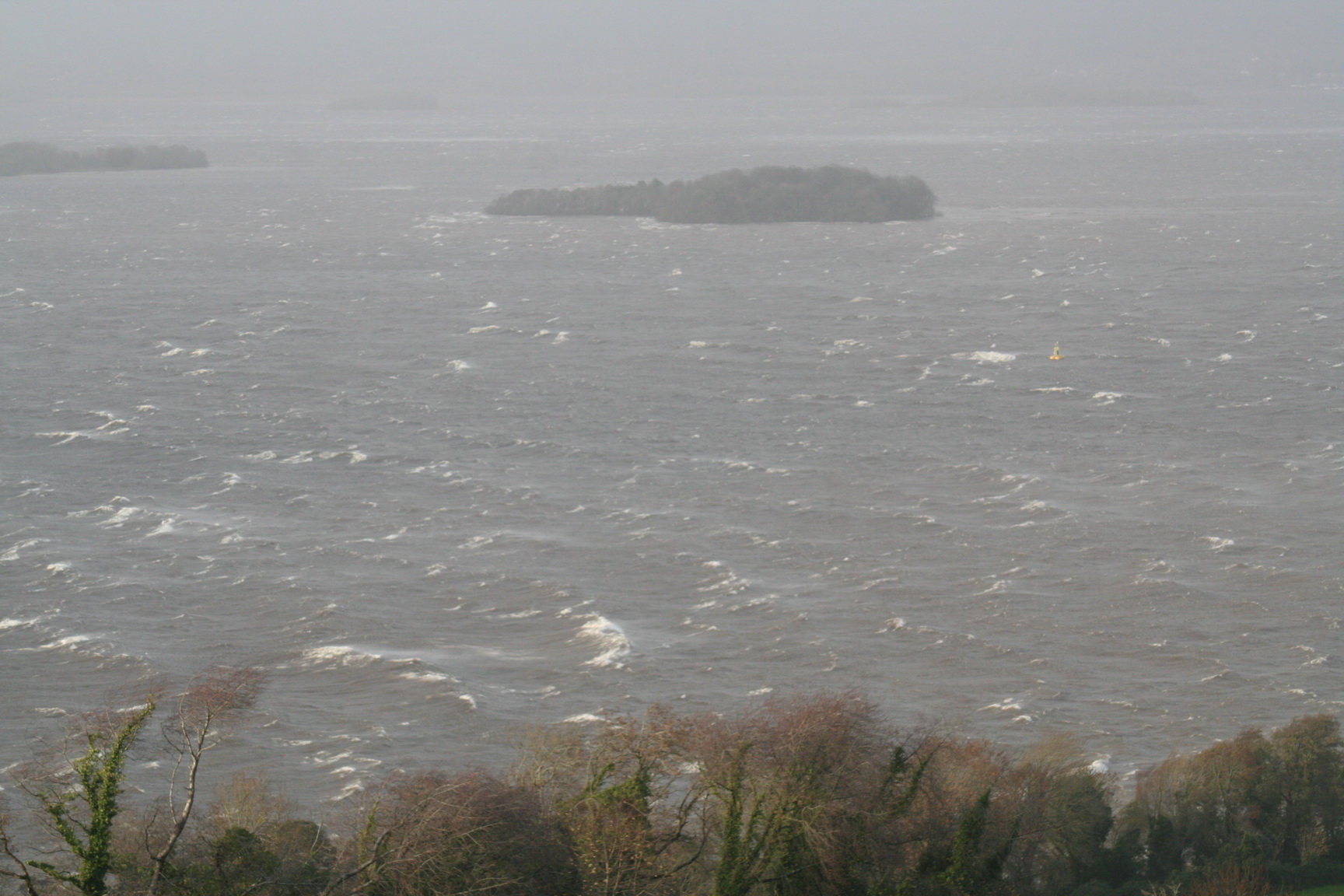
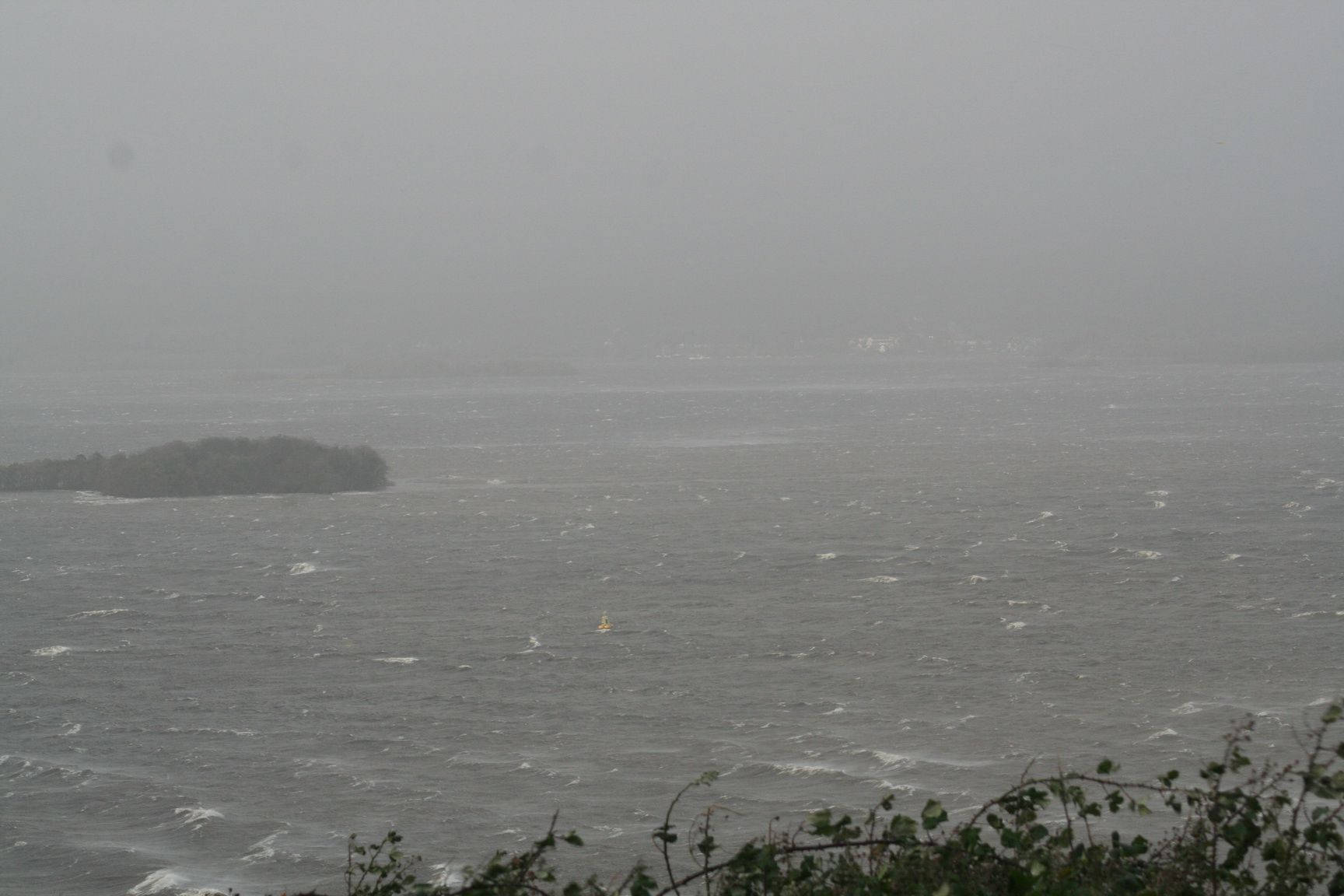
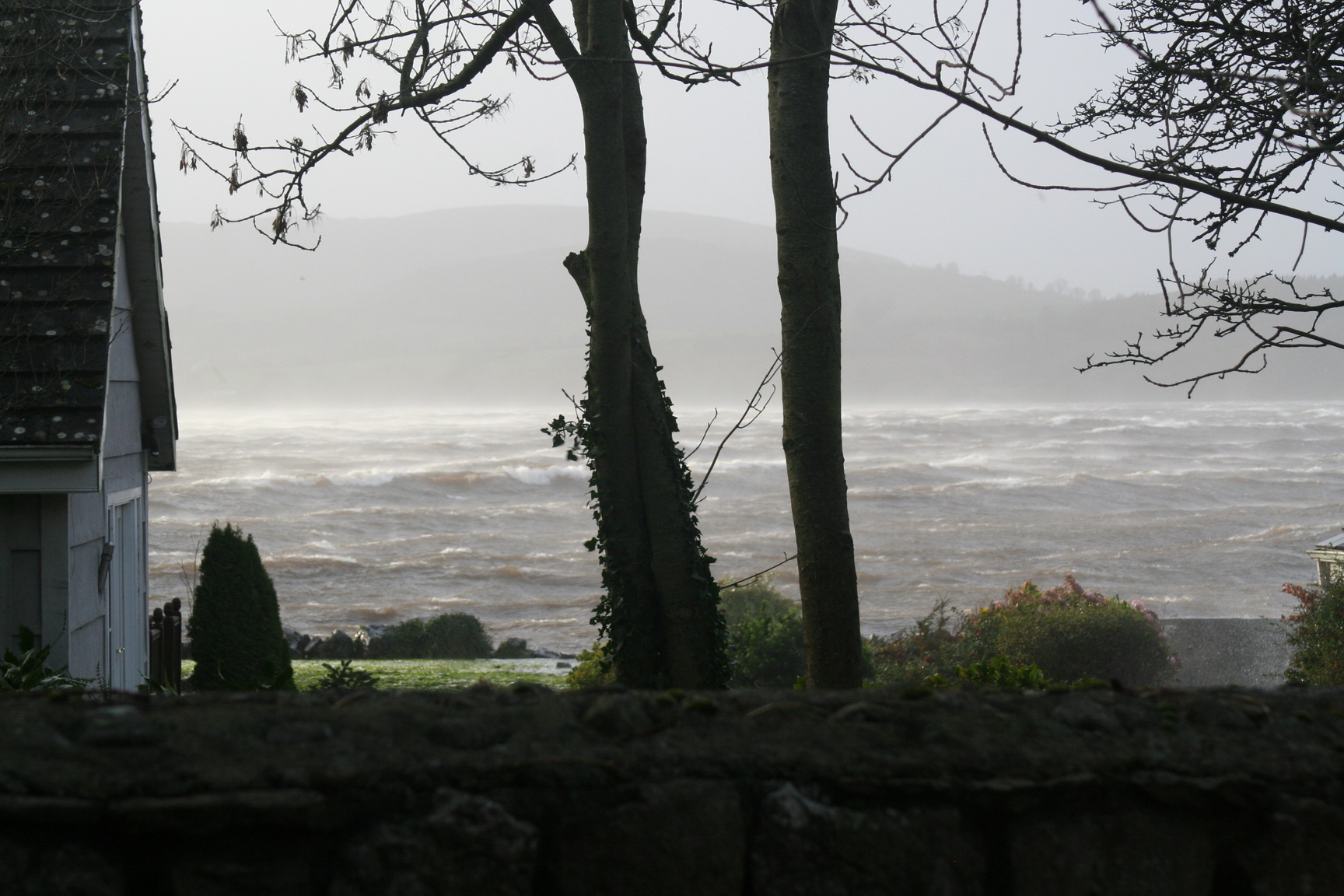
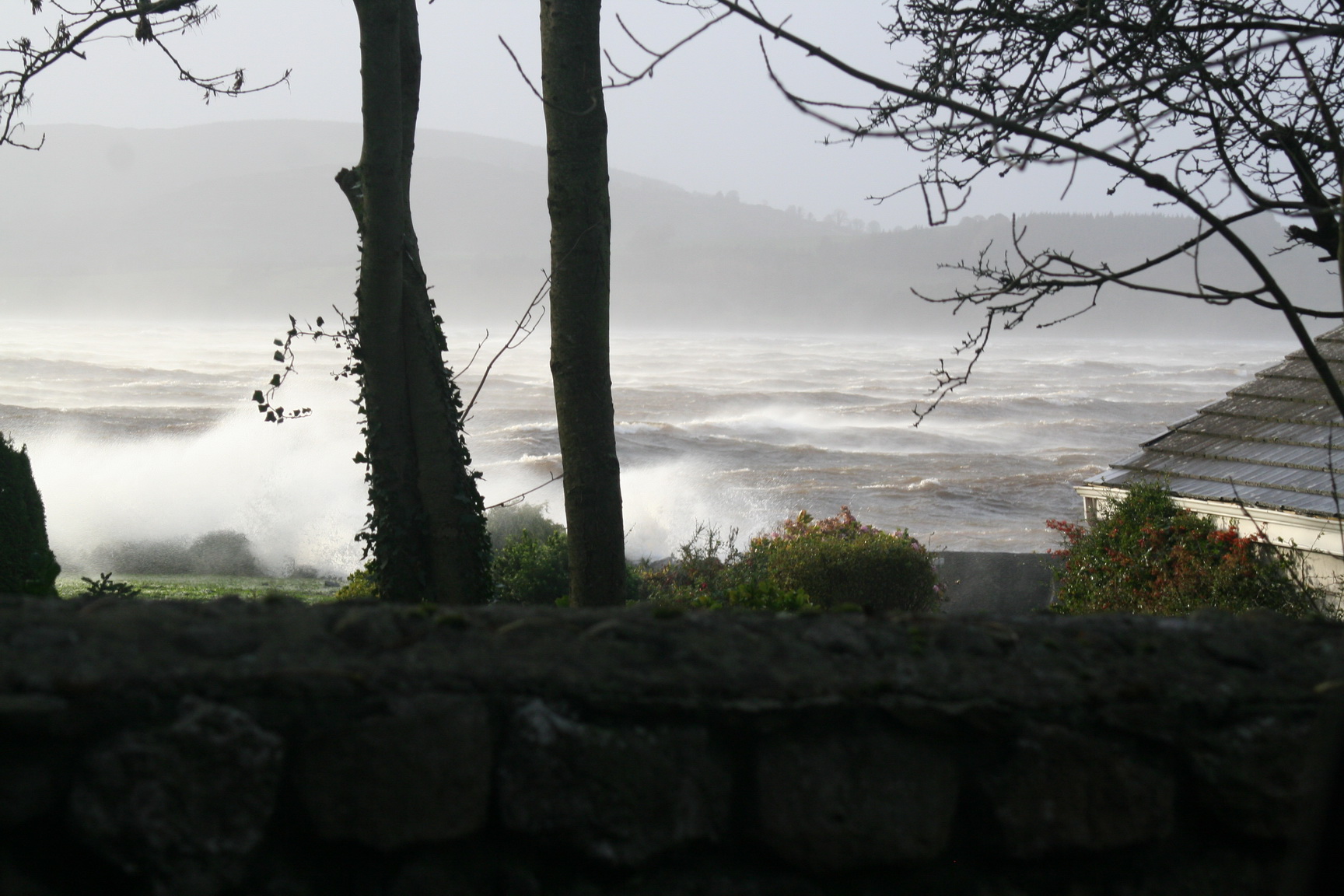
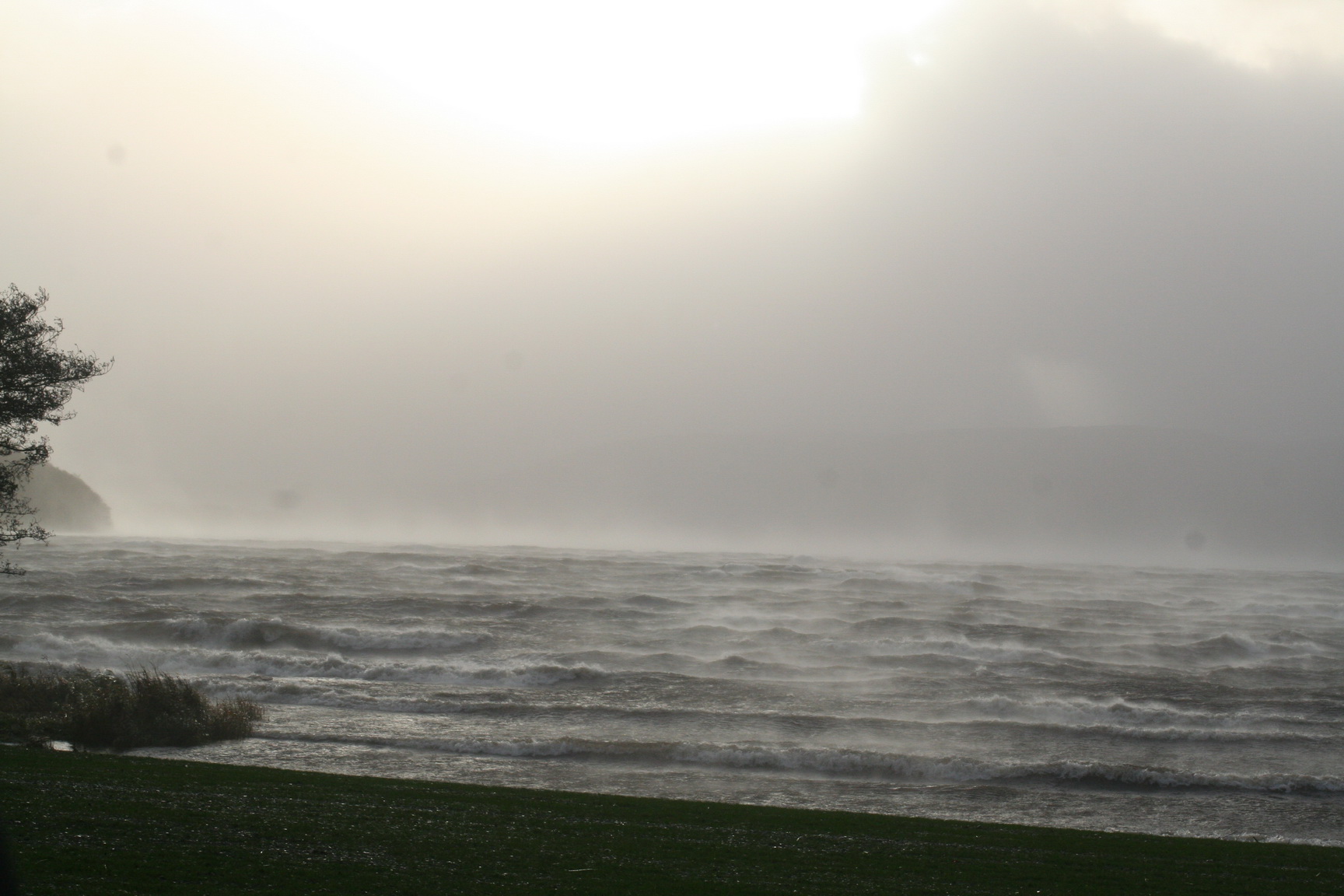
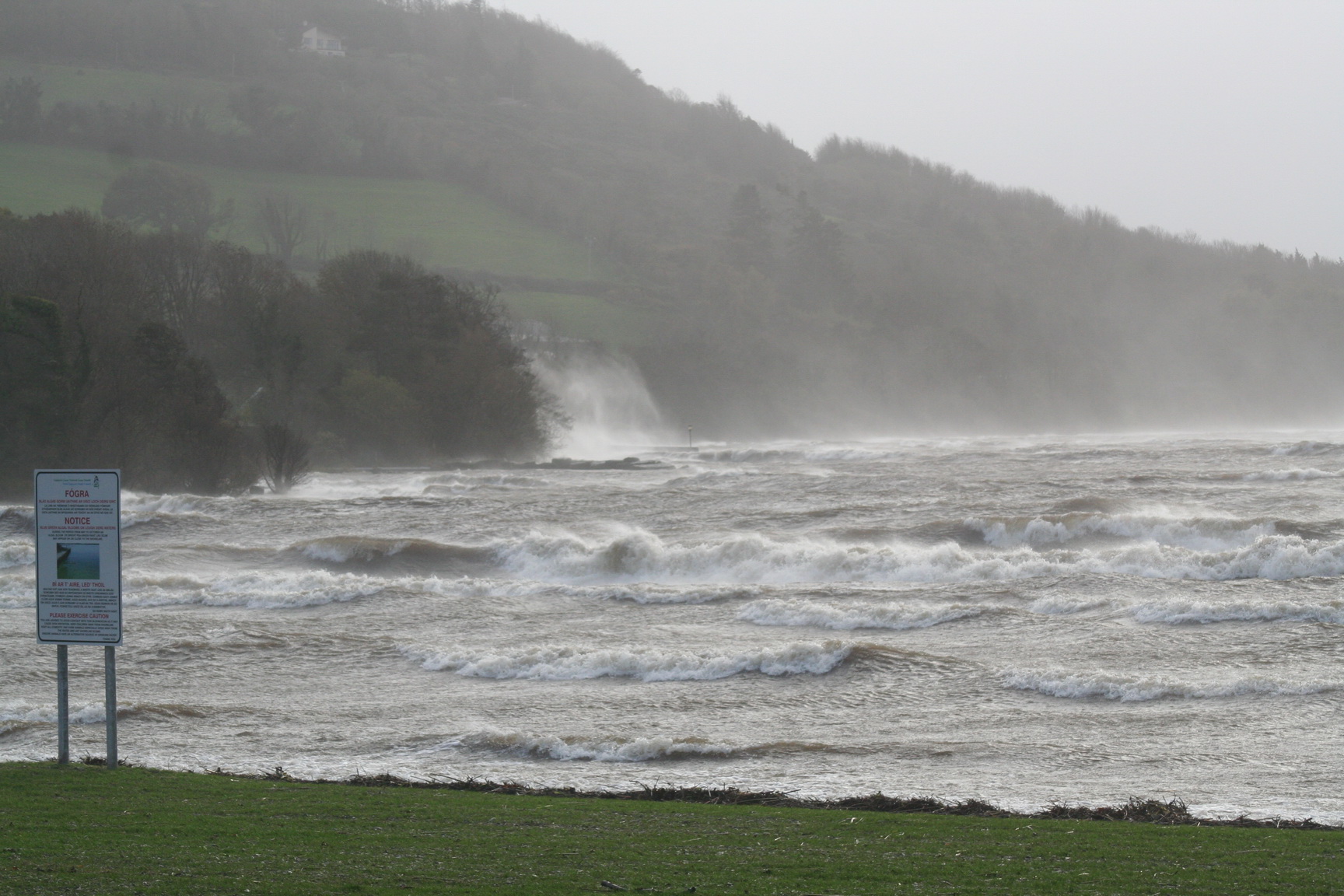
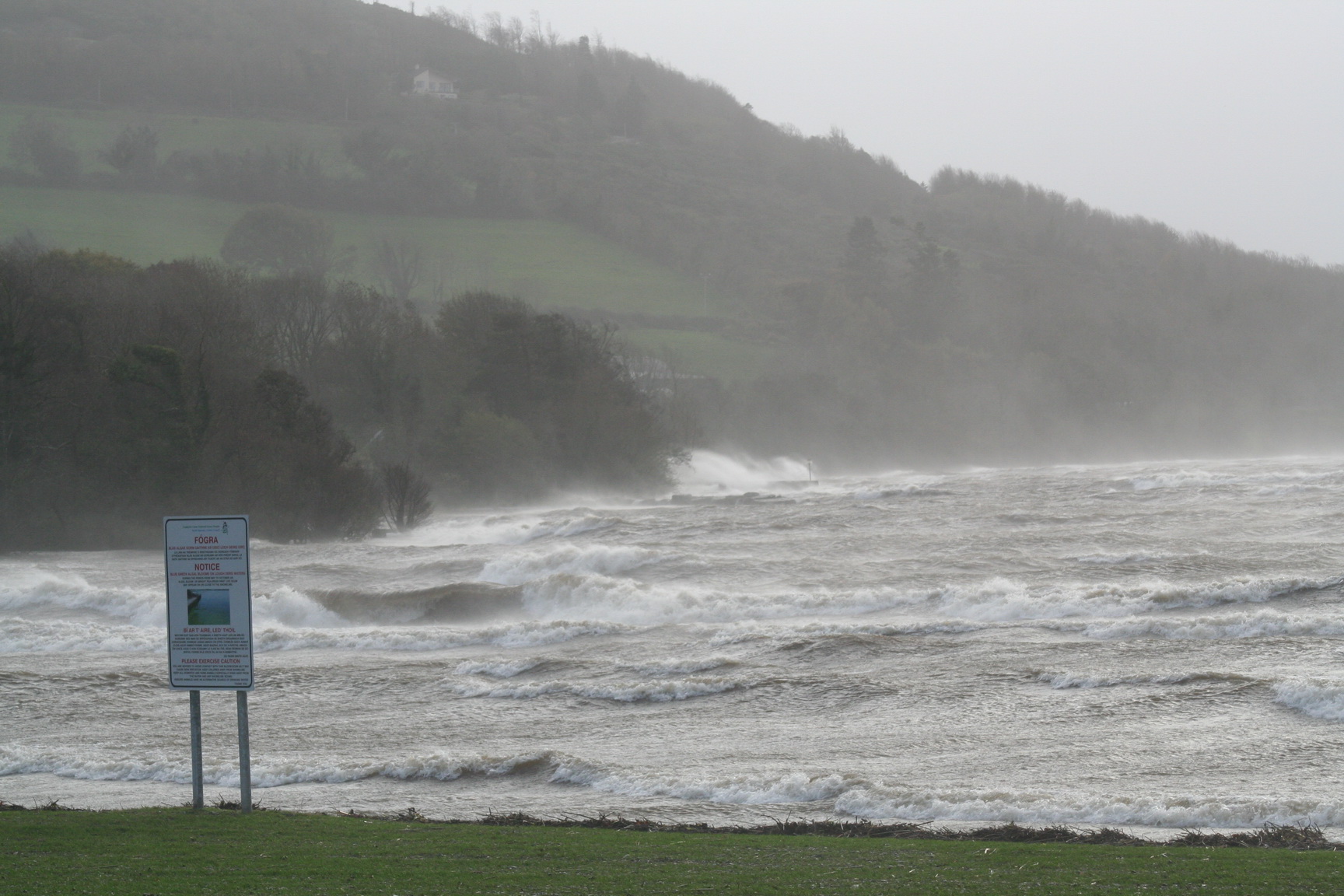
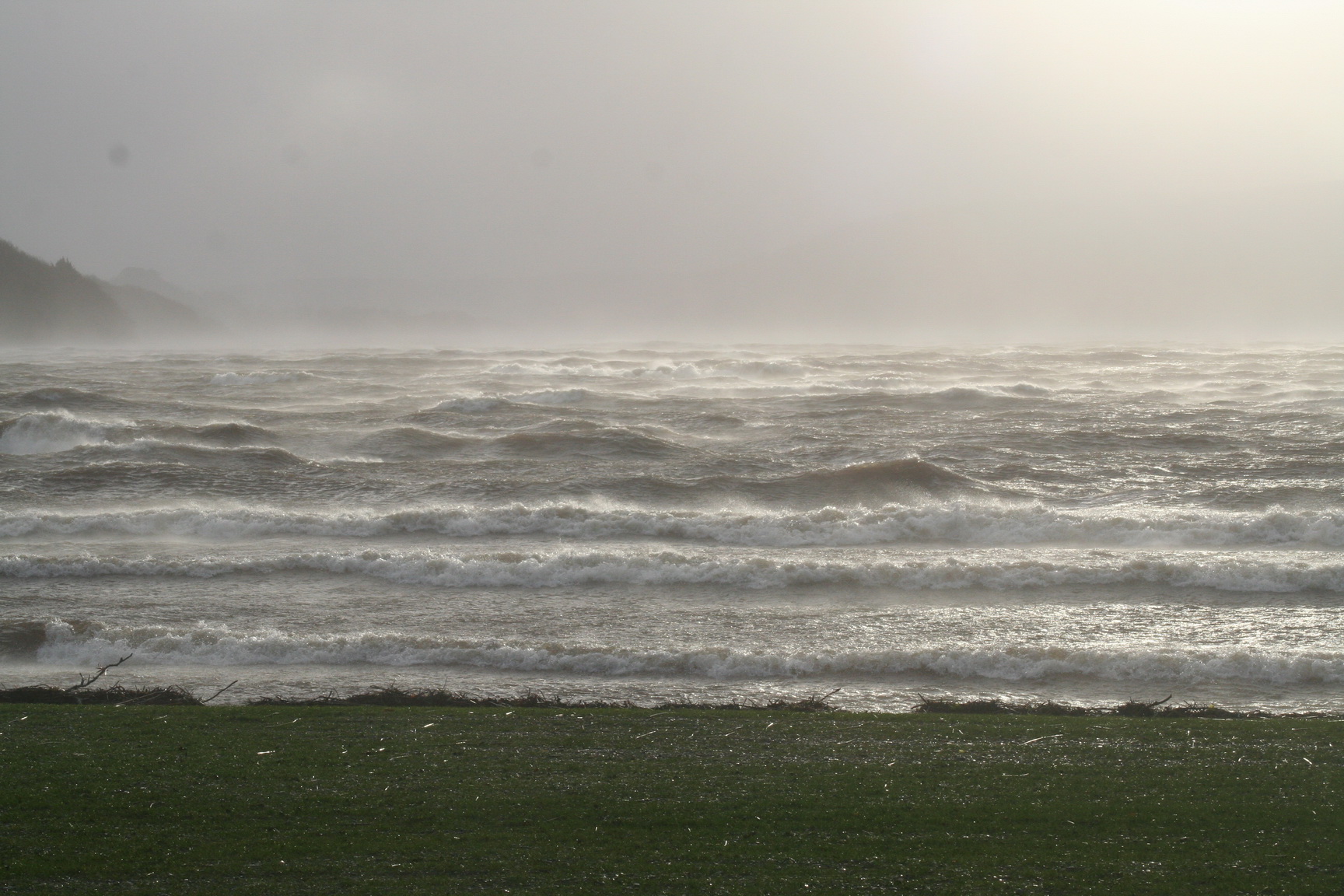
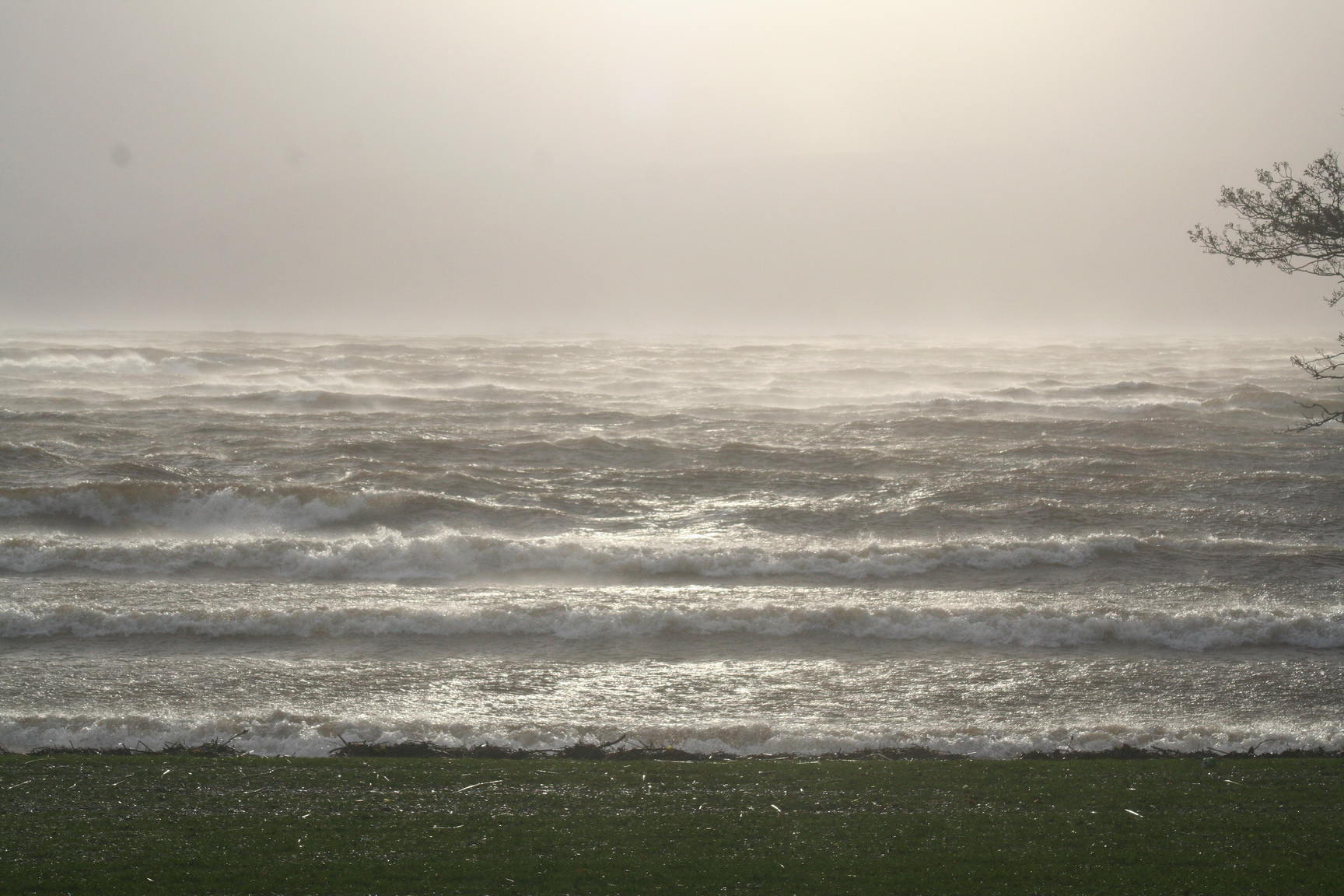
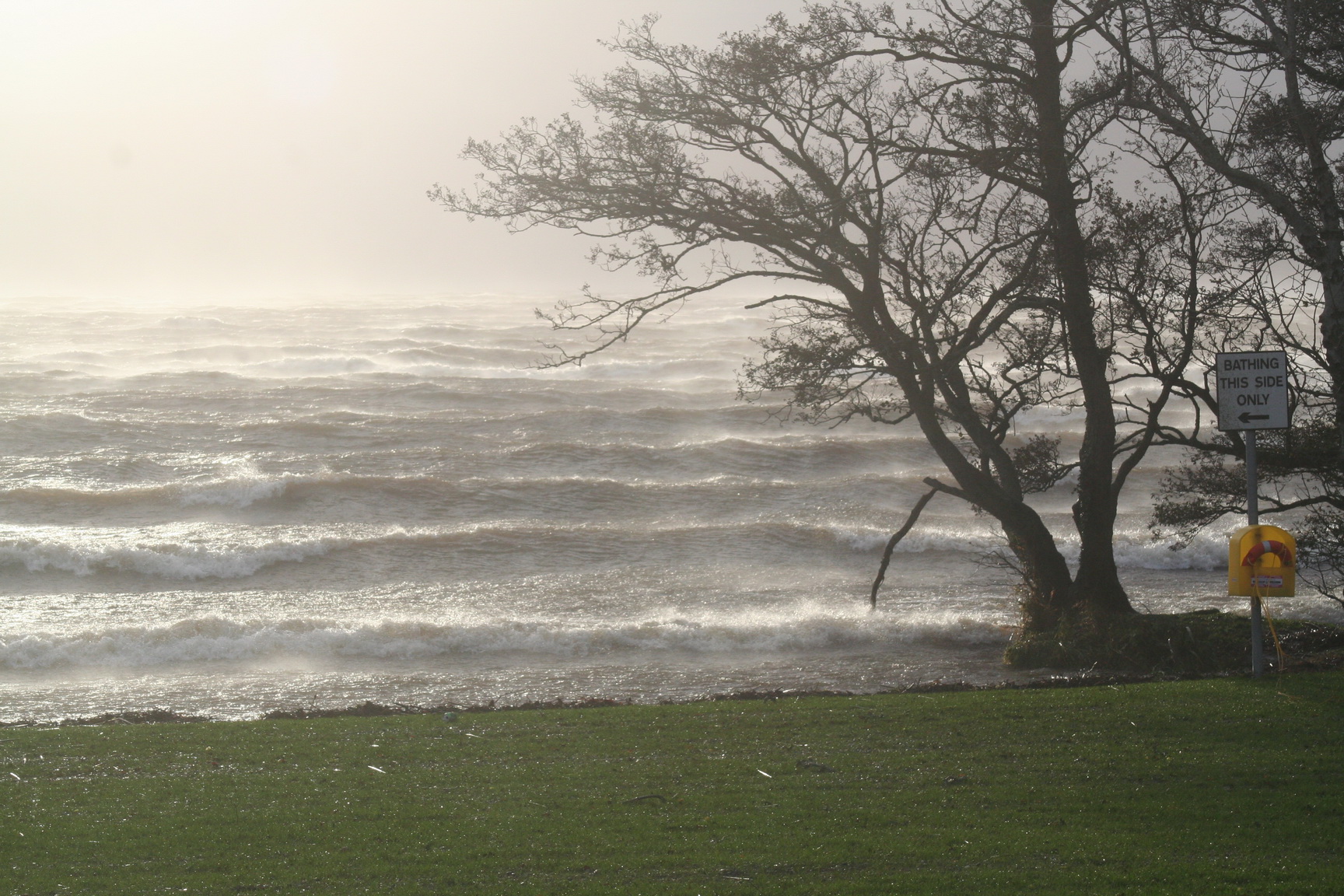
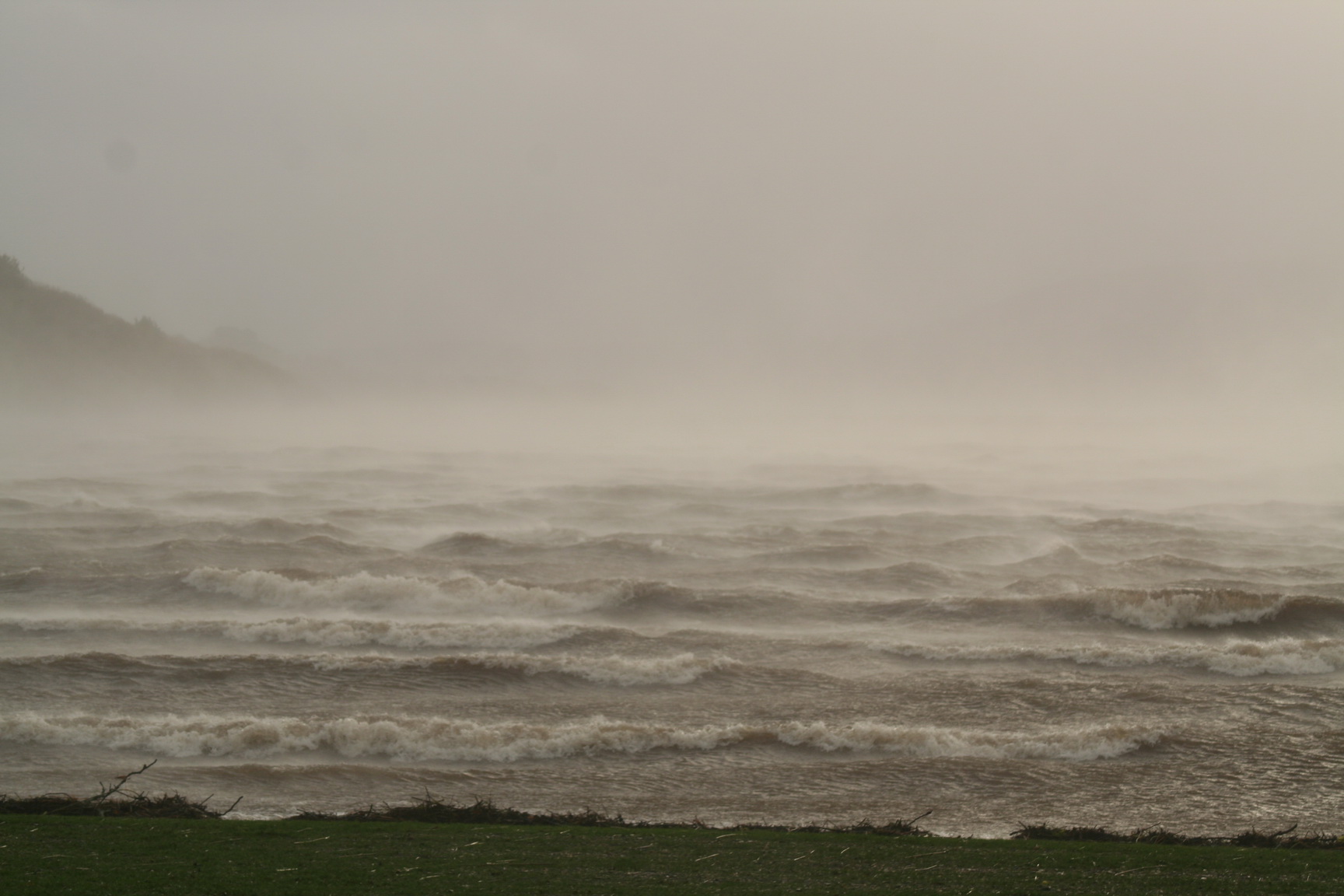
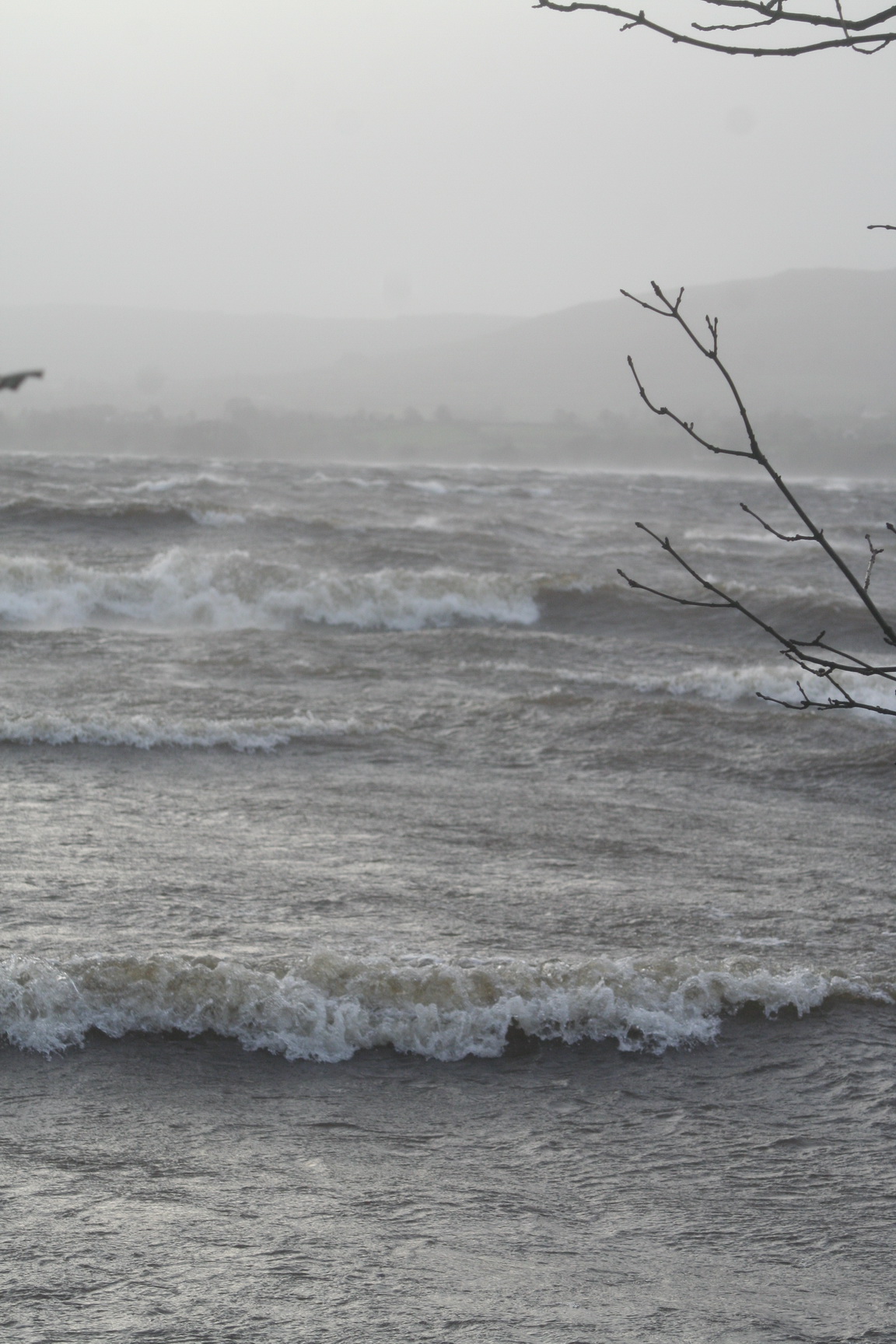
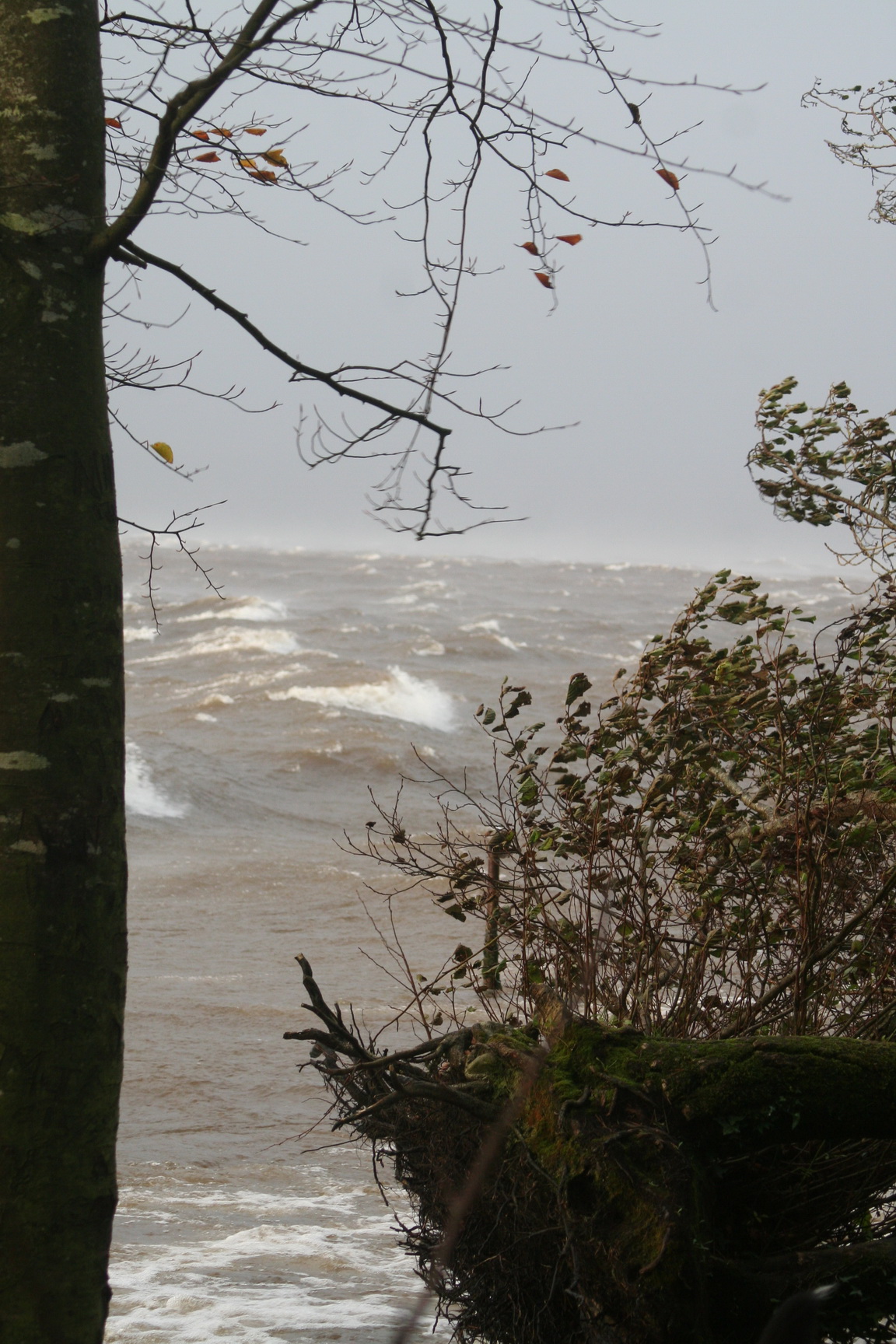
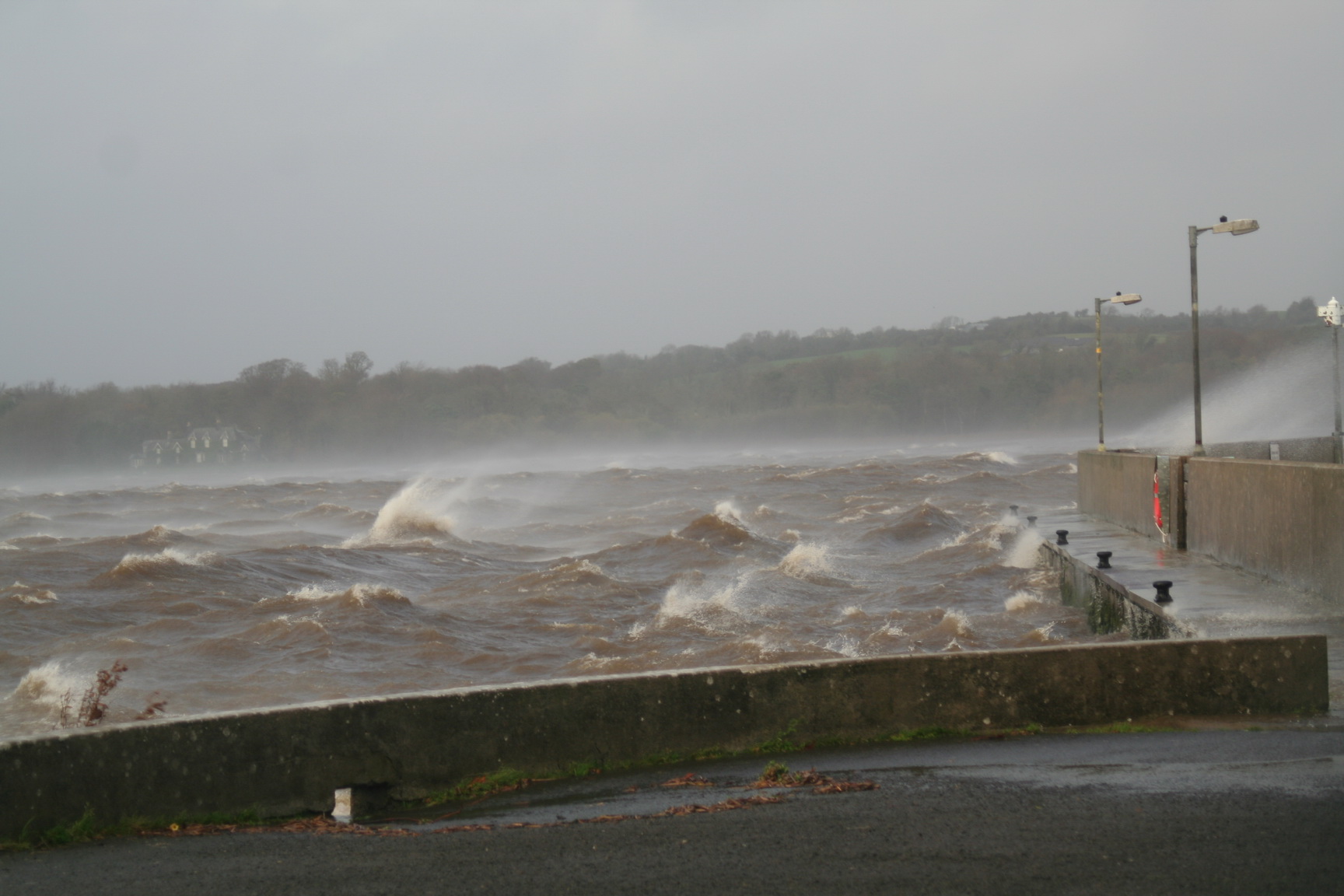
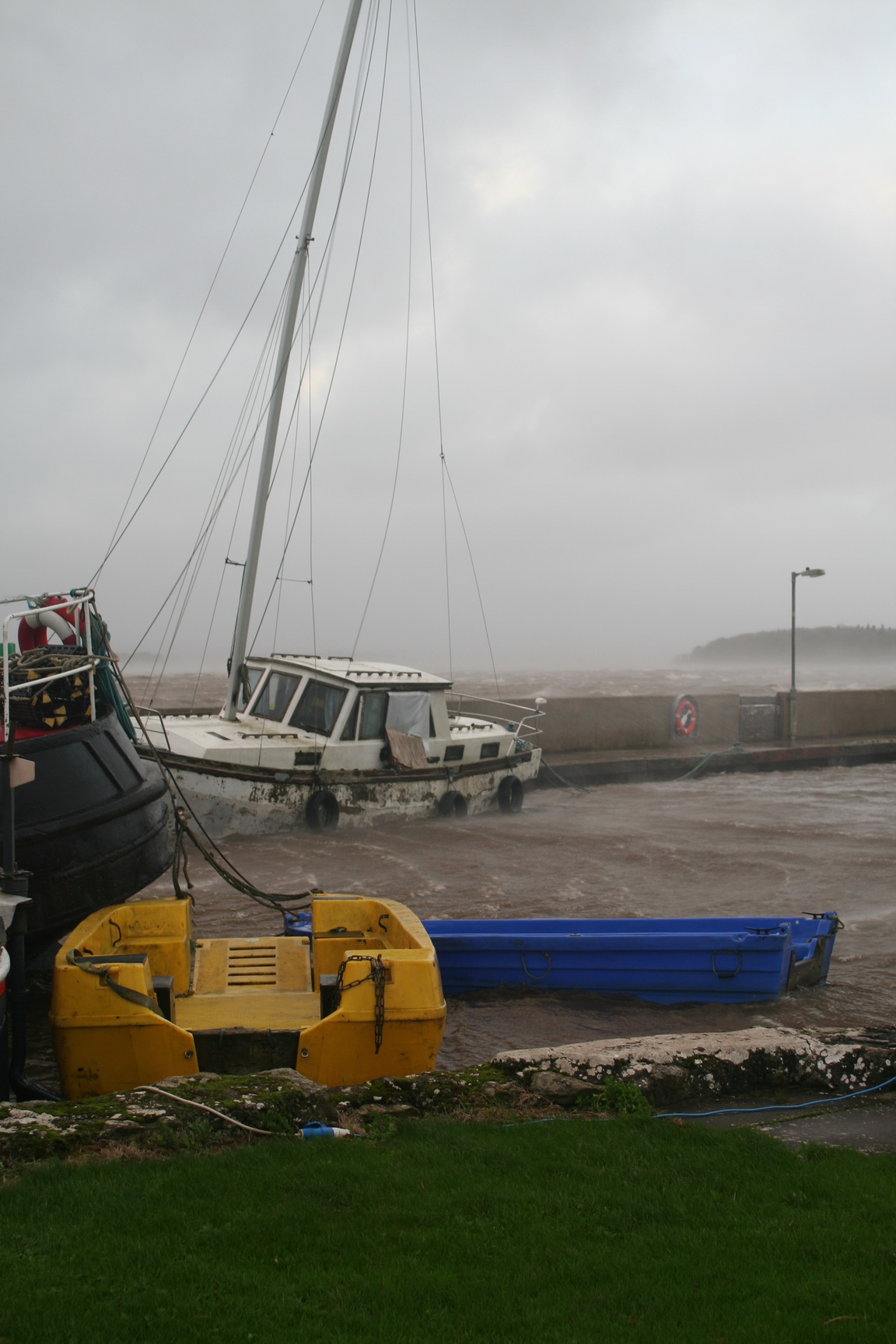
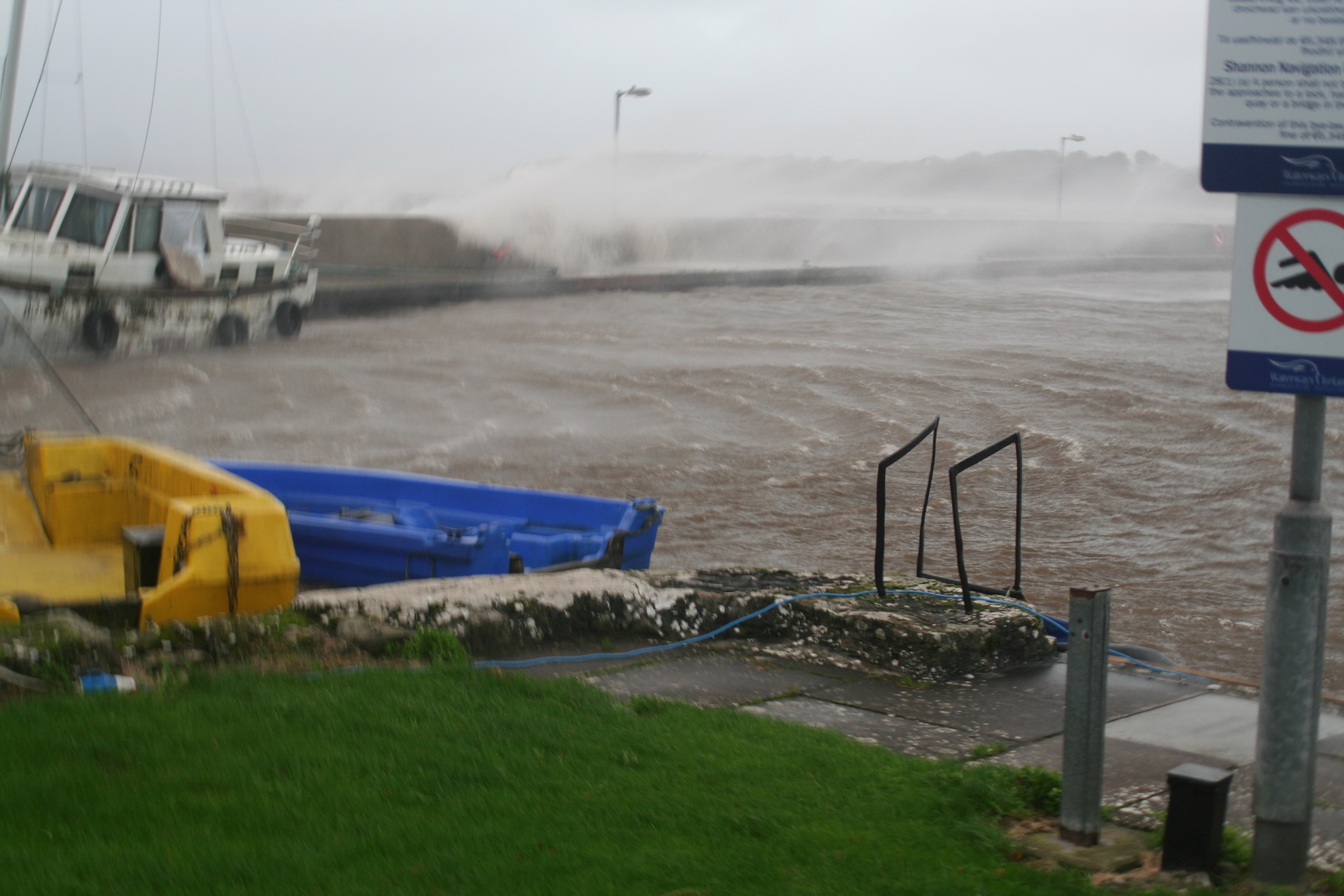
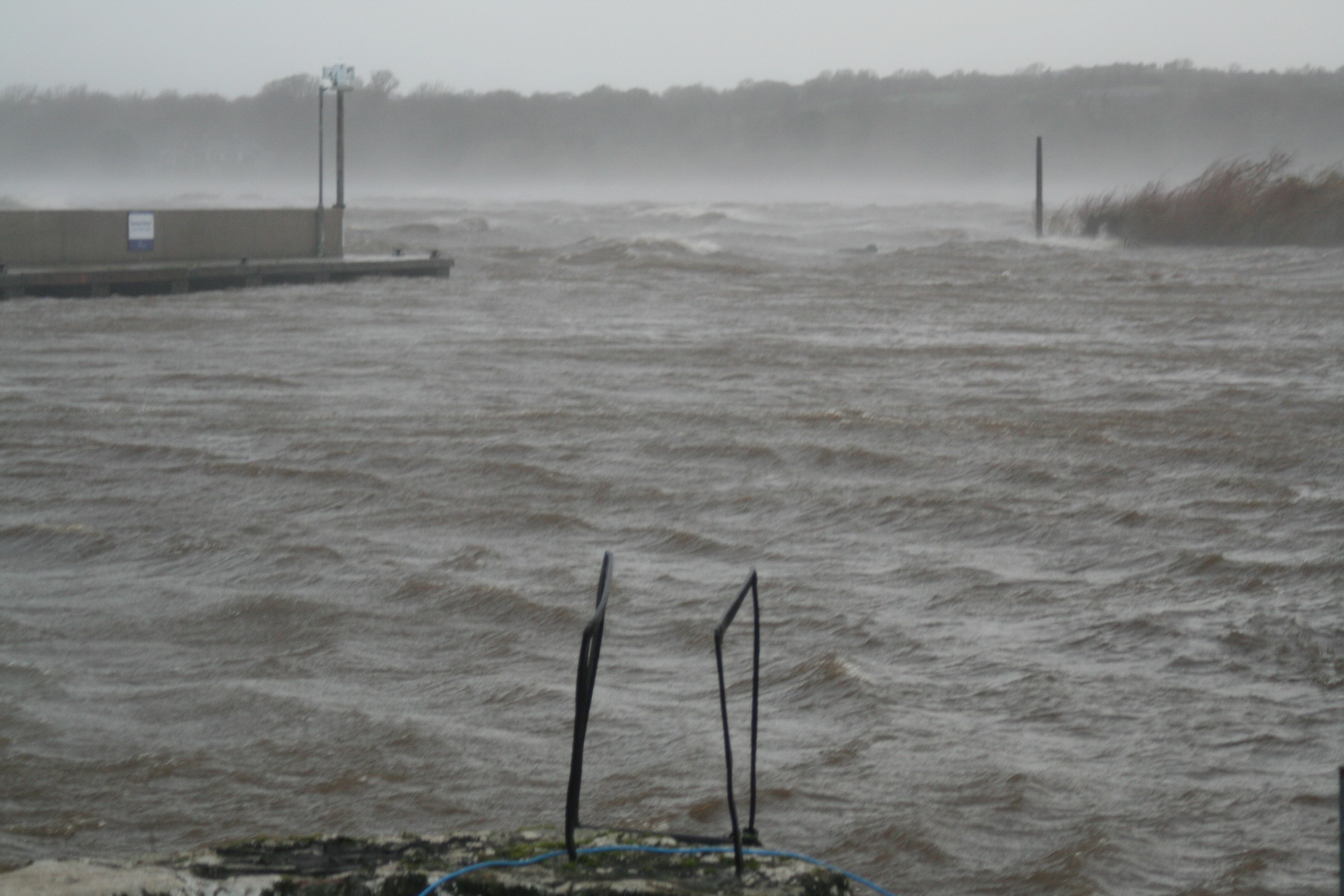
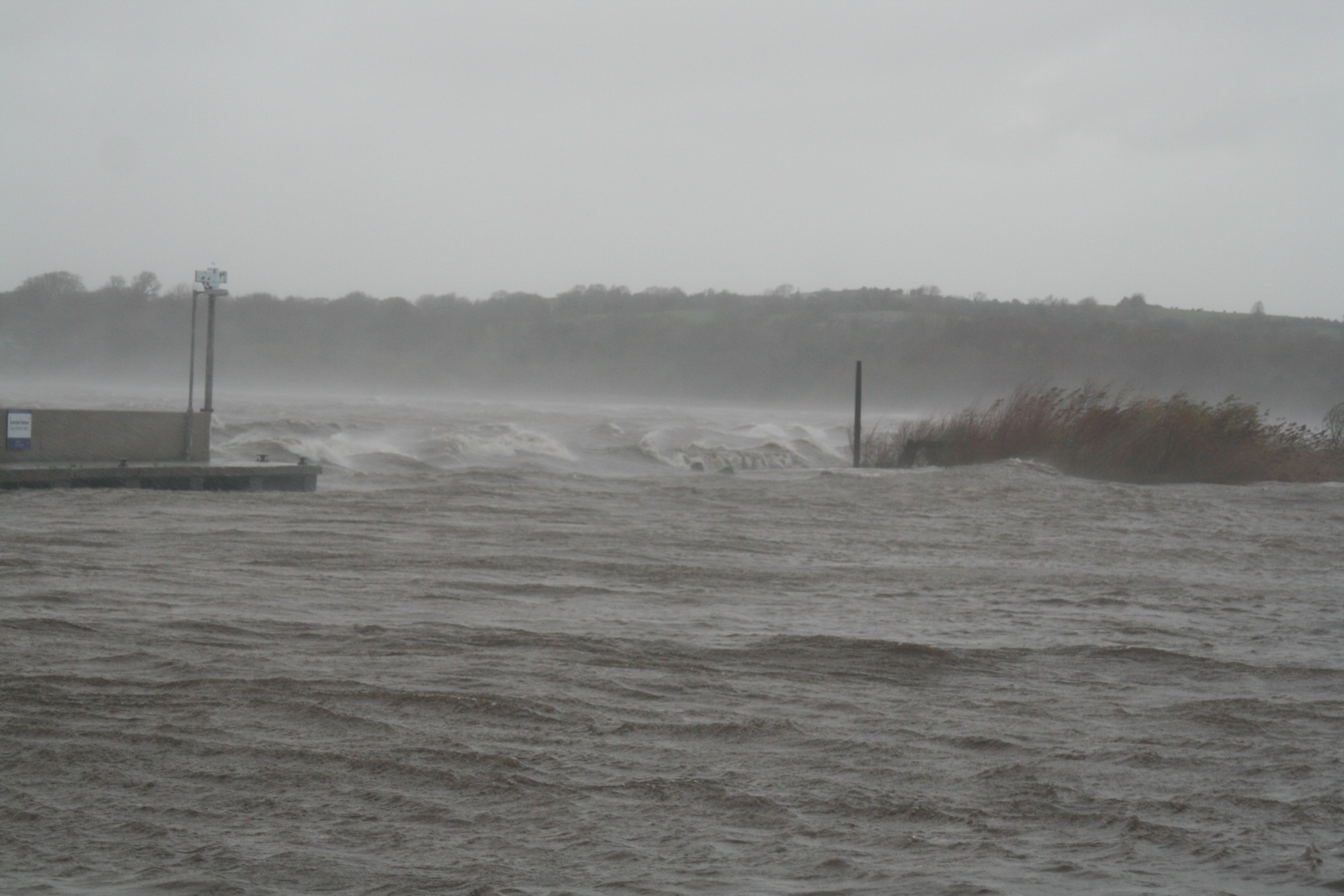
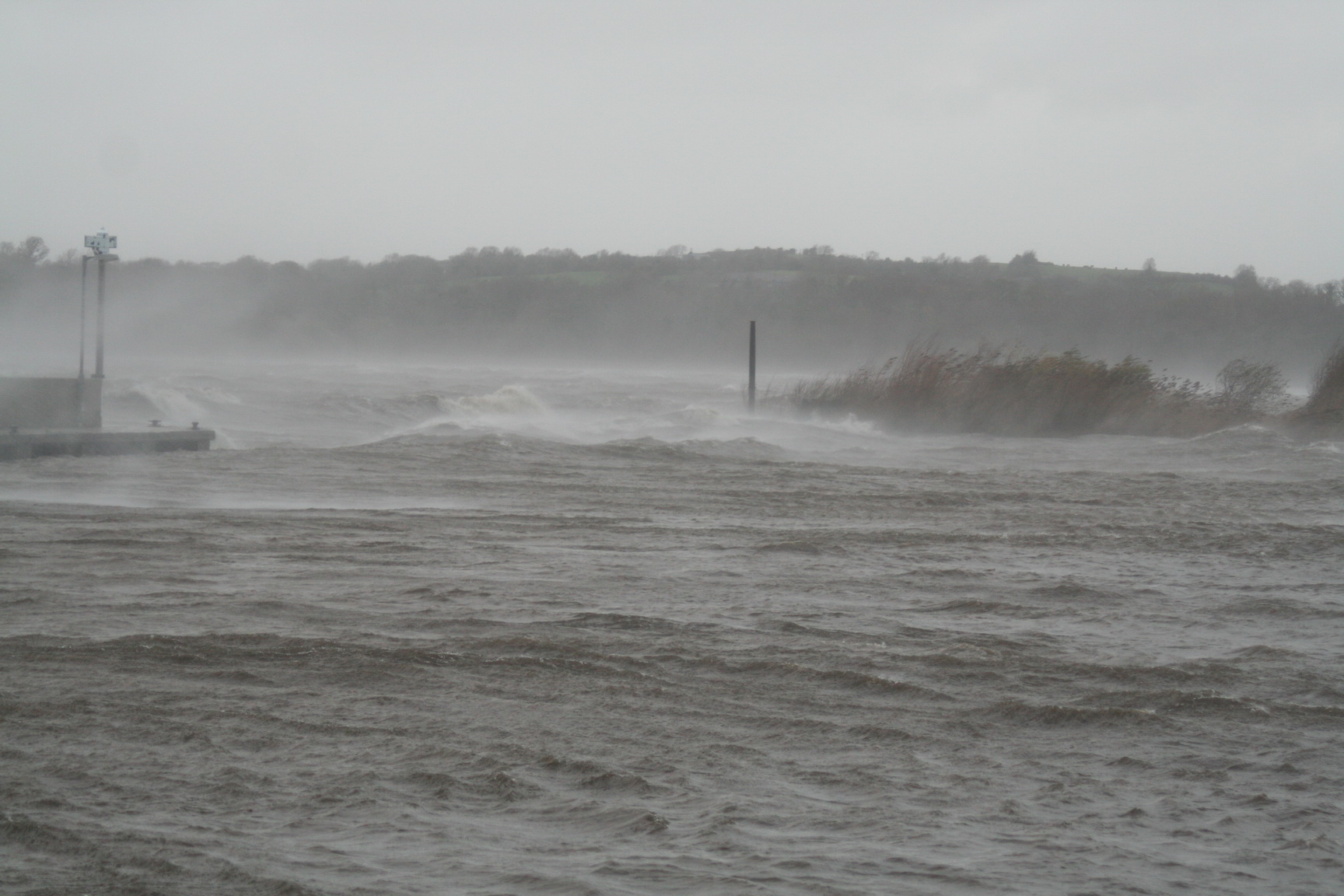
Photos of lower Lough Derg during Storm Barney on the afternoon of Tuesday 17 November 2015.

IMG_6181_resize

From the R494 driving north from Ballina

IMG_6191_resize

From the same position, looking around the other side of the house

IMG_6196_resize

From The Lookout 1

IMG_6197_resize

From The Lookout 2

IMG_6205_resize

From The Lookout 3

IMG_6206_resize

At Castletown 1

IMG_6212_resize

At Castletown 2

IMG_6213_resize

From the beach at Castlelough 1

IMG_6216_resize

From the beach at Castlelough 2

IMG_6220_resize

From the beach at Castlelough 3

IMG_6223_resize

From the beach at Castlelough 4

IMG_6224_resize

From the beach at Castlelough 5

IMG_6226_resize

From the beach at Castlelough 6

IMG_6265_resize

From the beach at Castlelough 7

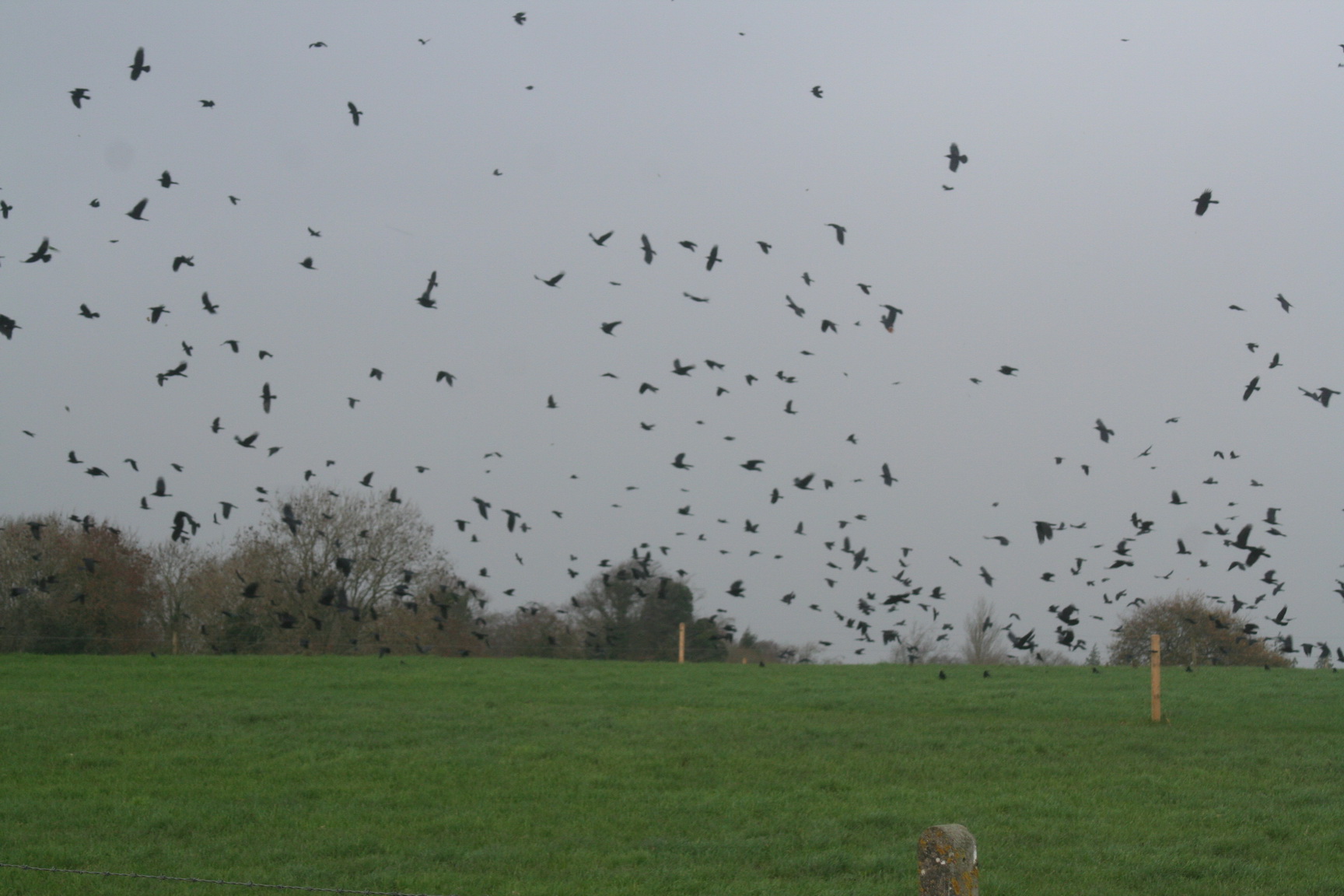
IMG_6231_resize

Crows at Castlelough

IMG_6240_resize

From the woods at Castlelough 1

IMG_6253_resize

From the woods at Castlelough 2

IMG_6283_resize

Dromineer 1

IMG_6296_resize

Dromineer 2

IMG_6299_resize

Dromineer 3

IMG_6337_resize

Dromineer 4

IMG_6345_resize

Dromineer 5

IMG_6348_resize

Dromineer 6

Aw sheughs

On 6 November 2015 there was a meeting of the Inland Waterways flavour of the North South Ministerial Council, whereat the Minister for Fairytales (RoI) and the Minister for Marching Bands (NI), each with a sidekick, discussed waterways matters. The joint communiqué, artfully written to provide outsiders with as little information as possible, is available here [PDF], but here’s a summary:

  • WI’s “capital expenditure focused on infrastructure repairs”, presumably because it has no money for any improvements or extensions, except a bit of dredging in or near the constituency of the Minister for Fairytales
  • yes, that means the River Finn, Saunderson’s Sheugh, which we’re pretending is or was part of the Clones Sheugh or Ulster Canal
  • WI has managed to get “third party funding” of over €1 million for waterside developments, which is good: much better than transferring WI money to other bodies. WI is trying to nab euroloot but, as there were no announcements of success, we must assume that this is work in progress. Mind you, the ministers would probably claim the success (and the photoshoots) anyway
  • WI may sell some unspecified property
  • the important one:

LEGACY SCALE LINKAGES FOR NORTHERN BASED WATERWAYS IRELAND STAFF

The Council approved the determination made by Waterways Ireland regarding legacy scale linkages for northern based staff.

I knew you’d want to know about that. Whatever it means.

On 17 November 2015 the latest attempt to get the boys and girls of the Northern Ireland Assembly to be nice to other reached some sort of conclusion, which you can read about in the Irish Times (until it disappears behind a paywall) and the Manchester Guardian. But of course the important question is whether we southron loons have to buy sweeties (sheugher candies) for our northern brethren to persuade them to be polite. For that, gentle reader, you must turn to the inspiringly-titled A fresh start — the Stormont Agreement and implementation plan, available here [PDF].

You will not, of course, want to bother reading most of it, so we can skip straight to Section E Irish Government Financial Support on page 30. New readers may wish to know that, many NI disagreements ago, the Irish government, led at the time by a group of leprechauns who believed they possessed a pot of gold, resolved to impress the poor benighted northerners with a display of southern wealth and power. Accordingly, it promised to pay for all sorts of transport infrastructure, provided that it could be claimed to have some sort of cross-borderality and preferably looked iconic. Whether there was any point to any of the schemes was a matter omitted from consideration.

The three main proposals, IIRC, were

  • the A5, a road in Northern Ireland
  • the Narrow Water Bridge, which would cross the Newry River in the middle of nowhere (whereas a south-eastern bypass of Newry might actually be useful). And it would have an opening span for the many vessels that visit Newry by the Ship Canal
  • the Clones Sheugh, a short section of the Ulster Canal.

Unfortunately the hardheaded northerners have long memories and they keep looking for their three sweeties long after the Free State realised that it couldn’t afford them. So has this latest throwing of their toys out of the pram forced the Free Staters to give in and buy them the A5, the iconic bridge and the Clones Sheugh?

Up to a point, Lord Copper.

The Irish government says it’s all in favour of, er, “investing” in infrastructure “to support North-South co-operation to help unlock the full potential of the island economy”, where no doubt eighteenth century transport methods will prove to as important as they were in the time of Grattan’s Parliament. But with that, and all the other waffle and irrelevancies shoved in at the start of the section, it is clear that the Irish government is trying to big up a small contribution. It drags in the European Union, the Dublin to Belfast railway, flood relief, energy, communications and health, which have nothing to do with the case, but which between them fill almost the whole of the first page.

From there, though, it has to get specific, or at least look as if it’s doing so. Accordingly, each of the three white elephants gets a subsection to itself, with numbered paragraphs, from which we learn that:

  • the Free State government “remains supportive of the commitment under the St Andrews Agreement” to co-fund the A5. It’s going to pay more (I think): £25 million a year in the years 2017–2019, up from a total of £50 million
  • the Free State government “remains committed to the concept of the Narrow Water Bridge”, which has “potential to provide jobs” [how?]; it will review the plans with the NI Executive and think about it by June 2016. It says nothing about the disappearance of funding
  • the Free State government does not say that it “remains supportive of the commitment under the St Andrews Agreement” to fund the Clones Sheugh. Nor does it say that it “remains committed to the concept”. What it does say about the sheugh is that it is funding Saunderson’s Sheugh (see above), it will think about more cross-border greenways and blueways including the Ulster Canal and it and the NI Exec will identify “options for jointly developing future phases of the Ulster Canal restoration project”, which I take to mean that the southron taxpayer won’t be stuck with the entire bill. Oh, and it’s going to think about funding a bleeding sail training vessel, another exercise in pointlessness and nitwittery.

That’s almost it: there is something about a north-west thingie, senior officials will meet and there will be progress reports.

These documents are not necessarily constructed to provide information to outsiders, but my sense is that the Clones Sheugh danger to the southron taxpayer has receded for the moment, although the Narrow Water Bridge and the sail-training nitwittwery need to be blown out of the water (or into it). The A5 road is to go ahead: I don’t know much about it but it might be the least objectionable of the lot.


The Groody turnpike

The River Groody flows into the Shannon downstream of Plassey, where the University of Limerick is located.

Groody 04_resize

Groody and Plassey (OSI ~1840)

The river itself may be hard to see, but the green wriggly line follows the course of the Groody except just north of Groody Bridge, where the river takes a more direct course towards the Shannon.

The road crossing Groody Bridge was the main road from Dublin to Limerick and the route followed by the mail-coaches. And, just to the west of the bridge, the 6″ Ordnance Survey map (of about 1840) shows a Turnpike, presumably controlling access to the road to Dublin. The road between Naas and Limerick, in other words most of the way to Dublin, was controlled by the Bourne family, who also ran the Dublin to Limerick mail coaches (which were amongst the few in Ireland to achieve an average of eight miles an hour).

Groody turnpike 03_resize

Groody bridge and turnpike (OSI ~1840)

I met a man who told me that his family owned this building, which is opposite the Aldi shop on the Dublin Road, Limerick.

Groody turnpike 01_resize

The building 1

It had been a shop at some stage and had had an extra window inserted, but he said it was originally a toll cottage. I don’t think it was for collecting the Limerick tolls [I don’t know where they were collected on the “Groody approach”, but I suspect it may have been near Pennywell]; I think it was for collecting the turnpike charges. Its position seems to match that of the turnpike building shown on the map.

However, I haven’t been able to find evidence on the matter one way or the other. I can’t find the building on the Griffith Valuation, perhaps because its value was too low to be recorded. And the Land Registry’s information doesn’t go back beyond 1982.

Groody turnpike 02_resize

The building 2

I would therefore be grateful to anyone who can provide evidence on whether this building was the turnpike cottage for the road to Naas.

My OSI logo and permit number for website


Pollboy Lock

I mentioned some time ago that, according to its Business Plan 2015, Waterways Ireland was considering automating Pollboy Lock, on the River Suck to Ballinasloe, in order to save costs. Like other offshoots from the main Shannon Navigation [Killaloe to Lough Key], the Suck is relatively little used.

According to the Connacht Tribune, the automation is to proceed and the lockkeeper is to be reassigned. It seems that some local councillors and “business interests” — who do not, as far as I know, contribute to Waterways Ireland’s income — regret the loss of an ambassador for the town. The keeper, Mr Coyne, was indeed extremely helpful to visiting boaters.

However, he could help only those who arrived at his lock: he could do nothing to attract more boating visitors to the town. That is not in the least a criticism of him, but rather a suggestion that councillors and business interests might perhaps have done, or yet do, more to attract visitors and increase the usage of the splendid harbour in Ballinasloe. Perhaps they might even appoint and pay a town ambassador?

A Sinn Féin councillor quoted in the article seems not to be entirely familliar with the duties of lockkeepers. Furthermore, he does not take account of the fact that the Shannon–Erne Waterway succeeds without lockkeepers — or that it was proposed that the Clones Sheugh [not-the-Ulster-Canal] operate in the same way. Surely a Sinn Féin councillor is not suggesting that, without keepers, the Sheugh might not be the enormous success that his party purports to believe it would be?

PS: the Tribune also has a piece about rubbish at Castle Harbour, Portumna.


Broadstone Luas works

Thanks to Niall Galway for these photos of work under way at the Broadstone for the new LUAS line.

Broadstone October 2015 (Niall Galway) 01_resize Broadstone October 2015 (Niall Galway) 02_resize Broadstone October 2015 (Niall Galway) 03_resize Broadstone October 2015 (Niall Galway) 04_resize Broadstone October 2015 (Niall Galway) 05_resize Broadstone October 2015 (Niall Galway) 06_resize Broadstone October 2015 (Niall Galway) 07_resize


Placing Percy

Back in May 2013, I wondered whether 53 Percy Place, Dublin 4, which Waterways Ireland was being forced to sell to dig the Clones Sheugh, would still be on its hands in a year or two. And so it was, but in August 2015, I noted that the property was for sale to fund Saunderson’s Sheugh, which we’re all pretending is the Clones Sheugh (aka the Ulster Canal).

The interesting point was that Messrs CBRE wanted over €1.6 million for the site, which was the valuation put upon it in 2008. The 2012 valuation was €650,000 and the 2013 €800,000. I wrote:

On the basis of its asking price for Percy Place, WI seems to believe that the property collapse is over; perhaps it is even now in negotiation to develop Plot 8 and build a sheugh all the way to Clones. In the meantime, if it gets €1.6 million for Percy Place, that will help to alleviate the damage caused by the smash-and-grab raid carried out by the Department of Fairytales to pay for Saunderson’s Sheugh.

Well, it seems that the boom is back. According to the respectable people’s Sunday newspaper, the Sunday Business Post, of 18 October 2015, WI got over €2 million for the site. The SBP is paywalled and I can’t find online confirmation elsewhere, but it’s a high price.

I did note on the CBRE site that the Twelfth Lock Hotel, that haunt of Stakhanovite homoeroticism on the Royal Canal in Blanchardstown, is for sale again. I haven’t been there for some years, so I don’t know whether the mural is still extant.


Improvements at St John’s Pill, Waterford

Thanks to Brian Simpson for this update on the continuing resurrection of St John’s Pill [river] in Waterford.


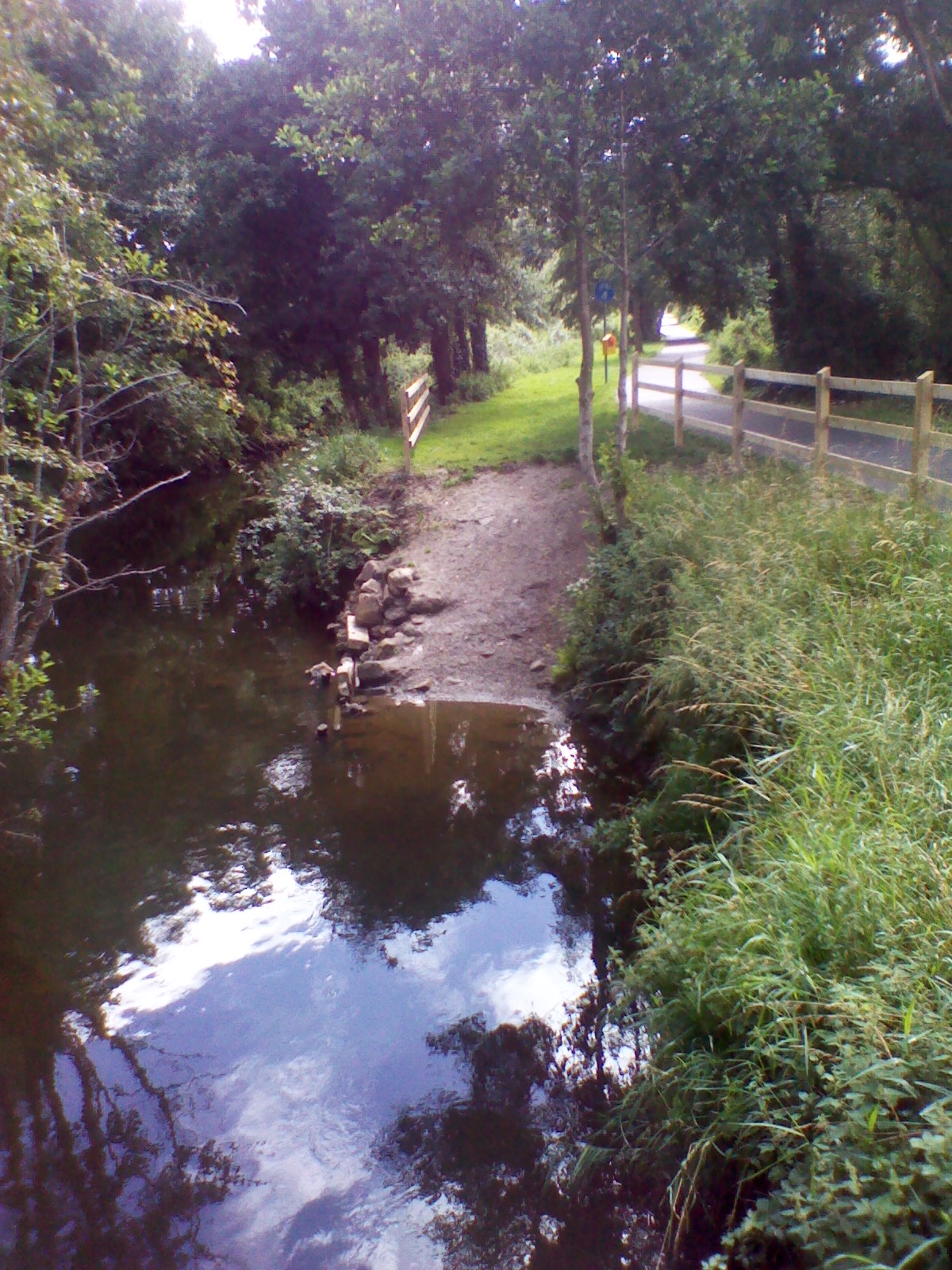
Waterford Council had new fencing erected by Fairybush Landscaping Ltd around Cherrymount bridge and around the slip area. The Council also recently opened a beautiful greenway for pedestrians and cyclists along the St John’s river right into Waterford City Centre.

Our slipway at Cherrymount bridge was being eroded by heavy rainfall and
strong currents when the canal was swollen.

DSCF2845

The slipway

IMG_20150826_134207

The slipway fenced (but eroded)

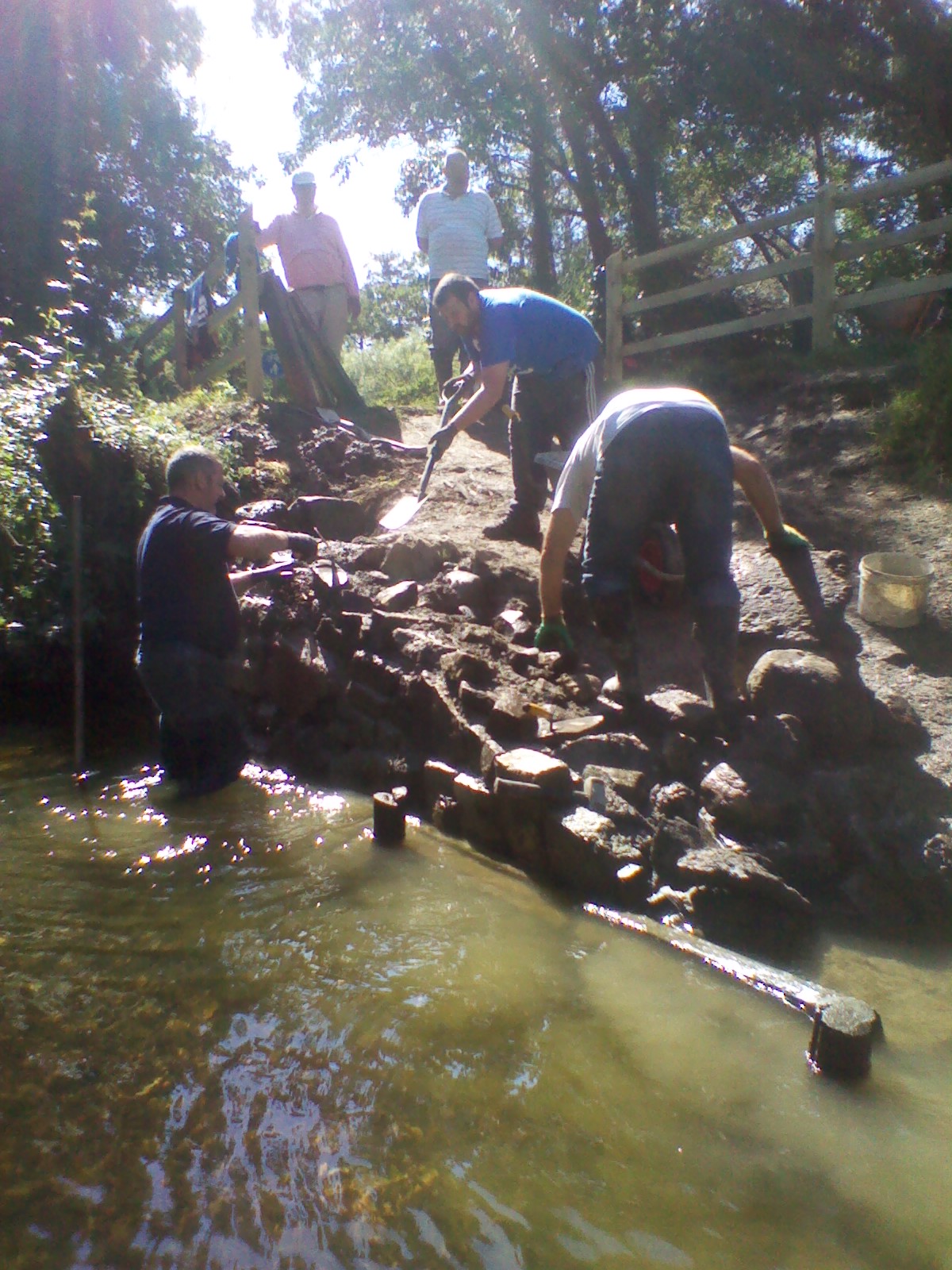
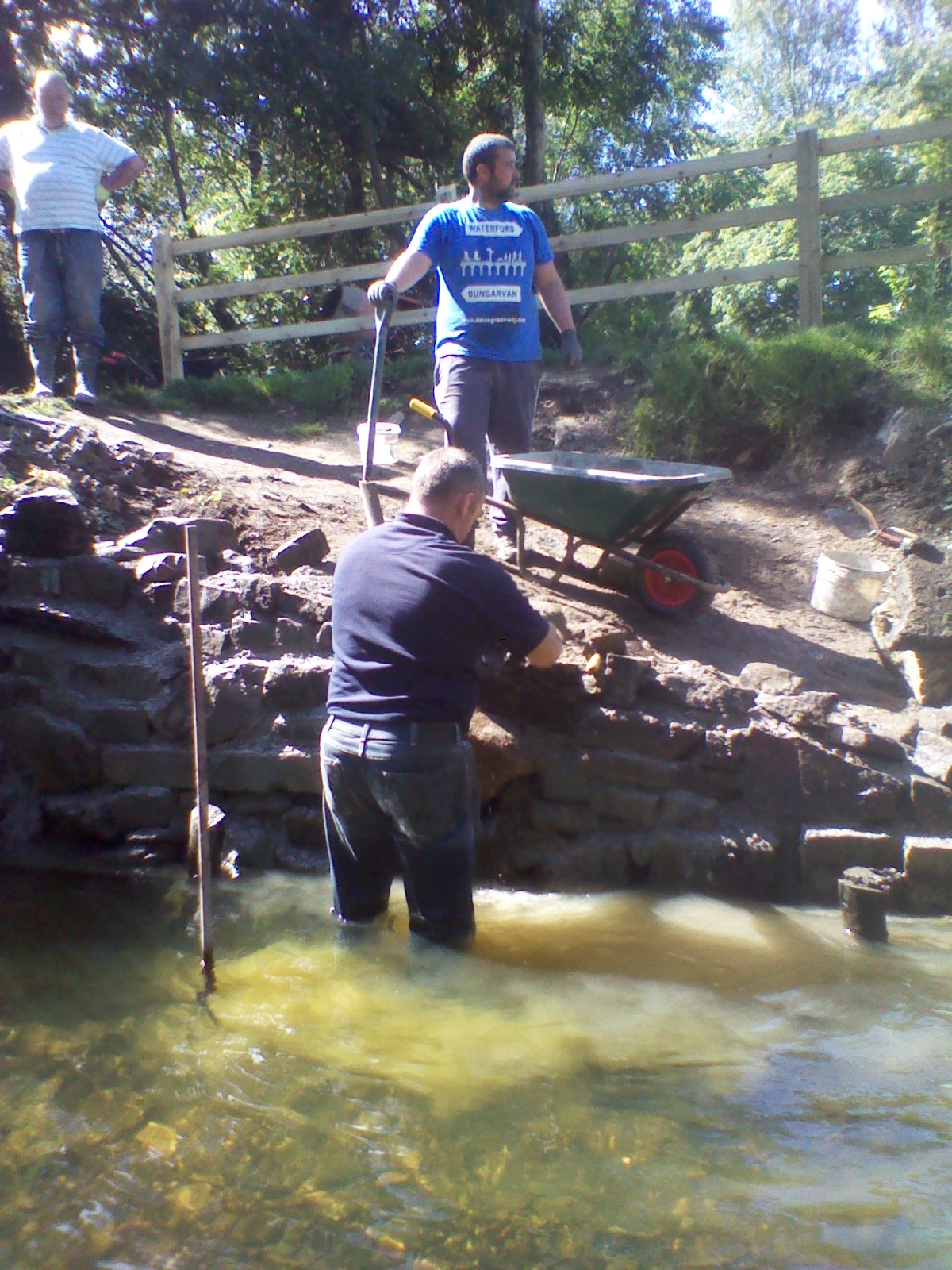
In order to prevent further damage with the approach of autumn and winter, improvement works had to be carried out. With a low tide window for much of the day and a couple of dry days beforehand, Saturday 29 August 2015 was our perfect opportunity.

IMG_20150829_132601

Men at work

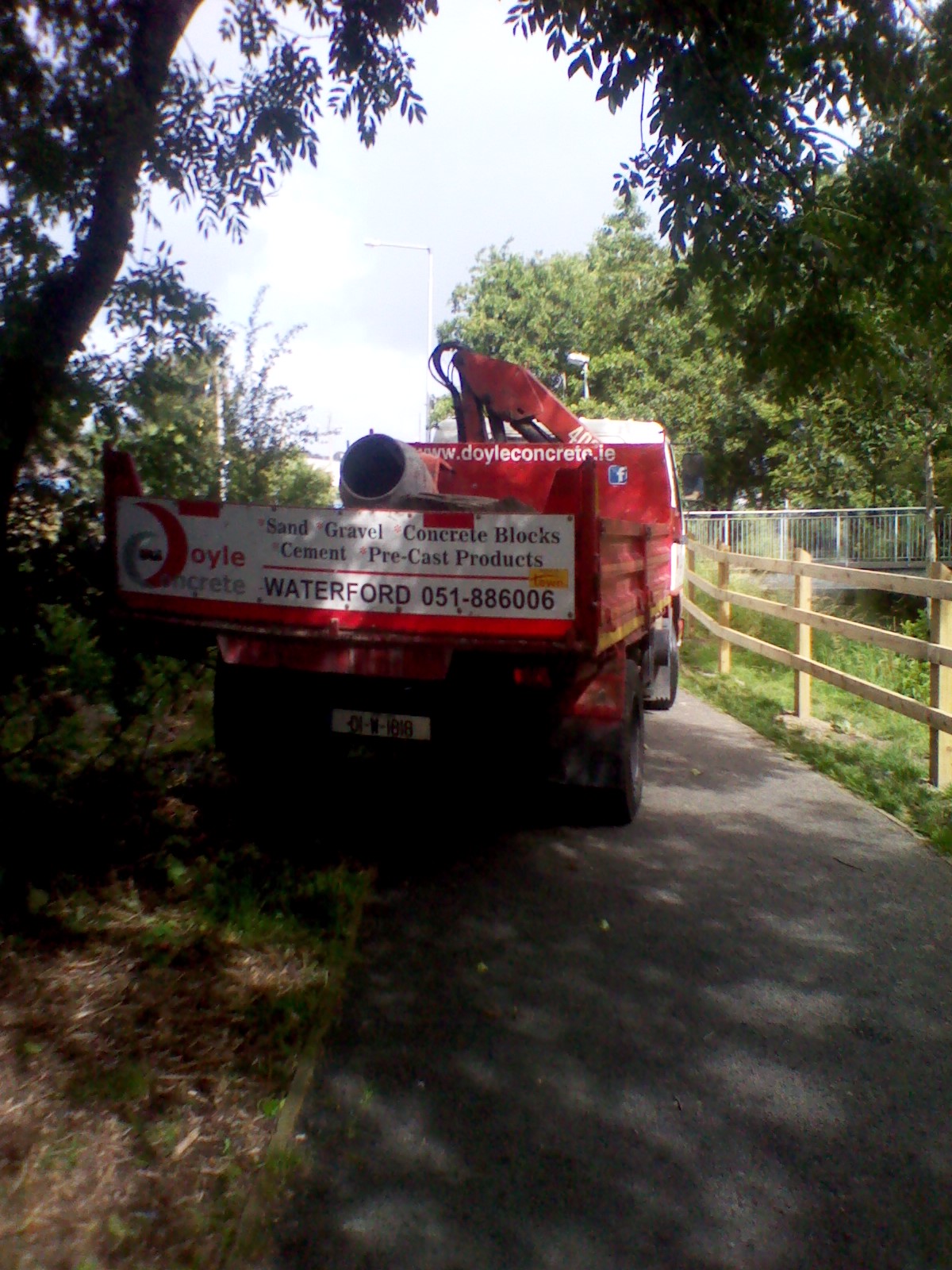
We would like to take this opportunity to thank our Chairman David Hayes [of David Hayes Engineering, Waterford] for organising the mixer, sand/gravel cement from Doyle Concrete

IMG_20150829_113737

Doyle Concrete

… and the concrete slabs and capping from Boyce Mulrooney, scrap merchant, Tramore Road, Waterford.

All the committee members who donated bags of cement, tools, ideas, labour and teamwork.

IMG_20150829_132539

Wade in the water

A great day was had and most importantly the slip is now much secure and pleasing to look at too.

The DUP fightback

I mentioned here that the ridiculous decision by the Sinn Féin Minister for Marching Bands [and Sheughs] to ask the DUP Minister for Finance and Personnel for £46 million for the Lisburn Sheugh might have been intended to annoy the DUP. Most of the Lisburn Sheugh, formerly the Lagan Navigation, ran through unionist territory; the Lagan Valley constituency is solidly unionist, and specifically DUP, in both Westminster and NI Assembly elections. It costs Ms Ní Chuilín nothing to pass on the Lisburn lunacy to the Dept of Finance, leaving it to a DUP Minister to turn down the funding application.

But the DUP has lobbed a neat hand-grenade response back at the Shinner fortress. Brenda Hale, DUP MLA for Lagan Valley, has put two questions to the sheughery enthusiasts:

AQW 48647/11-16 To ask the Minister of Culture, Arts and Leisure what financial support her Department has offered the Lagan Canal Trust, given that their budget has been cut by 11 per cent. [09/09/2015 Awaiting Answer]

AQW 48646/11-16 To ask the Minister of Culture, Arts and Leisure when the Lagan Navigation Canal Locks where last maintained. [09/09/2015 Awaiting Answer]

Ye’ll no’ fickle Thomas Yownie.

Wind

I had been thinking that it was rather a windy summer on the Shannon, and  Met Éireann’s seasonal summary [select Year 2015 and Period Summer 2015 here to get a PDF] supports that view:

Seasonal wind speeds were the highest in at least six years at the majority of stations with records of up to 41 years exceeded at Shannon Airport (mean wind speed of 9.9 knots (18km/h)). Seasonal mean wind speeds ranged from 5.9 knots (11km/h) at Mullingar, Co Westmeath (its windiest summer in 11 years) to 13.8 knots (26km/h) at Mace Head, Co Galway (its windiest summer in 7 years).

Gale-force winds were reported on 9 days, with four of these days (June 1st, June 2nd, July 17th and August 3rd) reporting severe gales. Malin Head reported the seasons highest 10-minute mean wind speed and highest gust on June 1st with 47 knots (87 km/h) and 65 knots (120km/h), respectively, both the highest reported since the summer of 1988.

But what has caused this excess of wind? The learned Tyler Cowen reports today that there has been a shortage of wind in the Americas and that the amount of electricity generated by some wind farms has fallen.

Clearly, therefore, the missing American wind has ended up in Ireland, and the method of transmission is undoubtedly by the wind farms themselves. Just as the wind is caused by the waving of trees, so too is wind caused by the turbines of wind farms. And while American wind farms are set to blow, ours must be set to suck, thereby bringing American wind to Ireland.

They can have it back any time they like.


The Purton boat graveyard

If you happen to be driving across southern England and Wales — say from Fishguard or Pembroke to London — and you want a break, you could turn off the M4 or M48 and drive to the Purton ships’ graveyard in Gloucestershire. It’s roughly 25 miles, 35 minutes, each way: a two-hour break will give you an hour on site — and take you a world away from the busy motorways.

Purton gives you two waterways for the price of one: the Severn estuary and the Gloucester and Sharpness Canal, which bypasses part of the estuary.

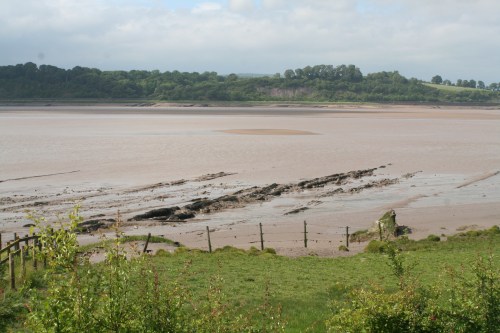
The estuary

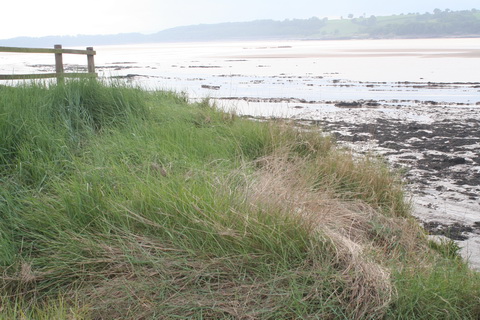
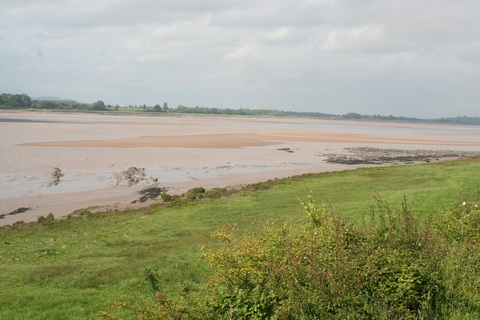
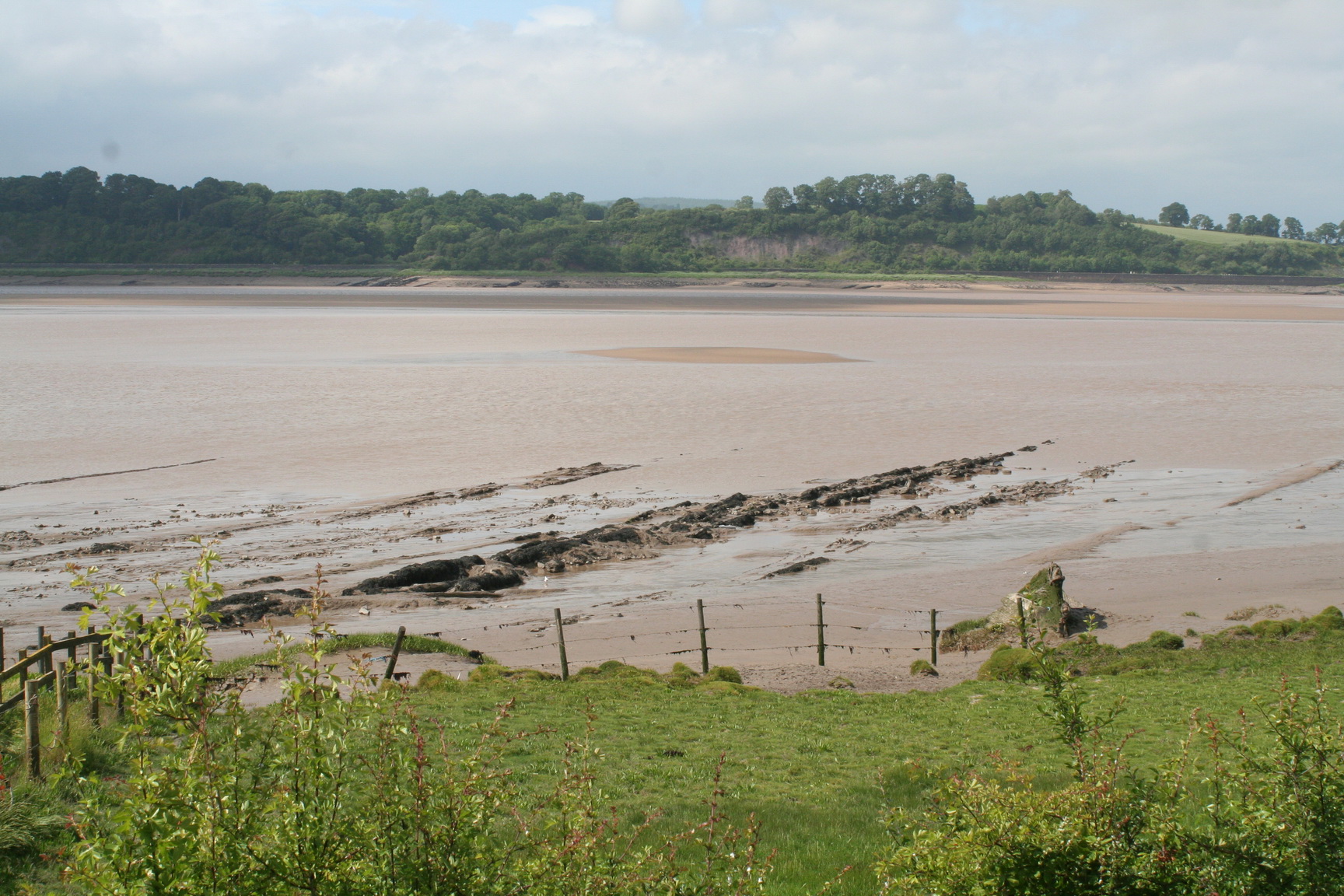
Big estuaries — including the Shannon and the Suir — always give a sense of space, with big open skies, but somehow the Severn looks even bigger when the tide goes so far out.

Severn rotation 3 05_resize

The long and level sands stretch far away

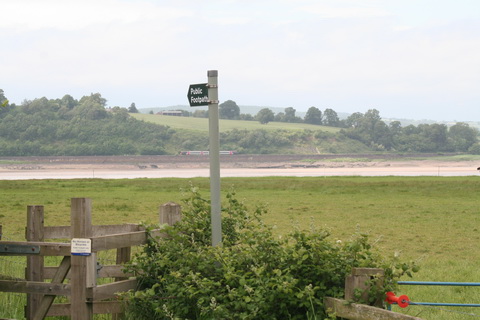
Severn rotation 1 01_resize

Note the train on the far bank, behind the signpost

Incidentally, the west bank too seems to have a place called Purton, if Messrs Google’s map is to be believed.
Severn rotation 3 02_resize

Drawing a line in the sand

The canal

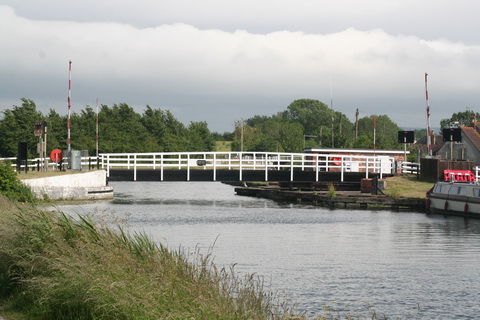
Purton has two of the Gloucester and Sharpness Canal‘s swing bridges, a weir and other interesting features.
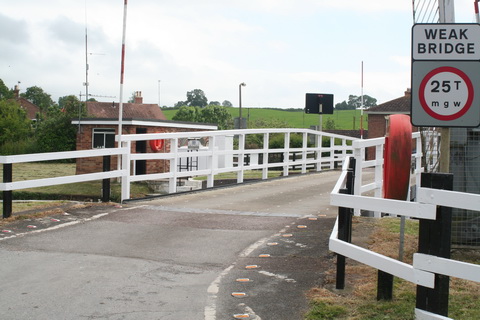
Purton lower bridge 01_resize
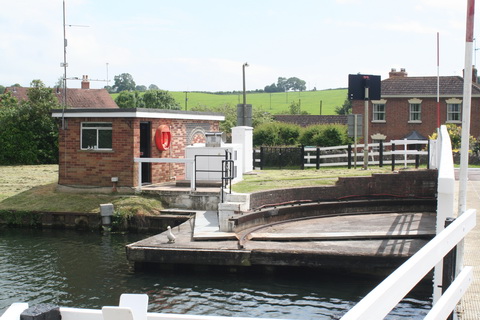
Purton lower bridge

Purton lower bridge 03_resize

Purton lower bridge control room. The keeper operates both bridges
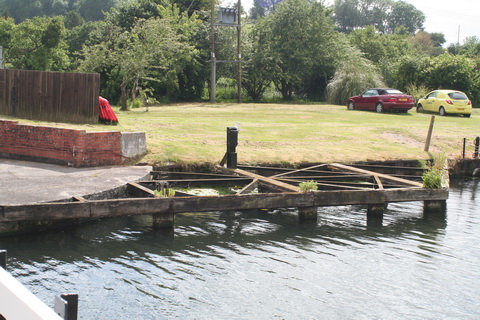
Purton lower bridge 06_resize

Swinging room

Purton lower bridge 08_resize

Purton lower bridge from downstream

Purton upper bridge
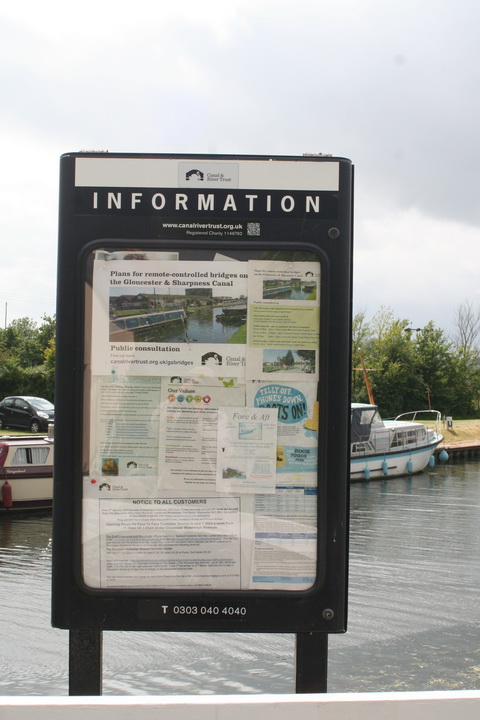
Purton upper bridge

Purton Gloucester and Sharpness Canal 02_resize

Information board beside the lower bridge
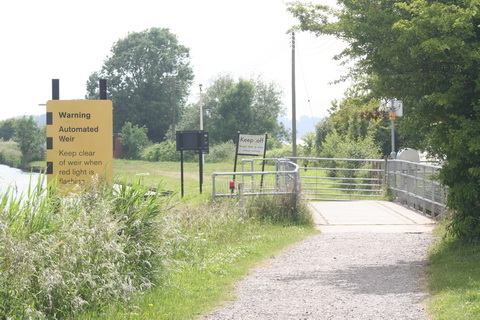
Purton weir 01_resize

Purton weir

Purton weir 03_resize

Weir bridge and sluices

Purton weir 04_resize

Weir inflow

Purton weir 06_resize

Weir sluices

Purton weir 07_resize

Weir outfall

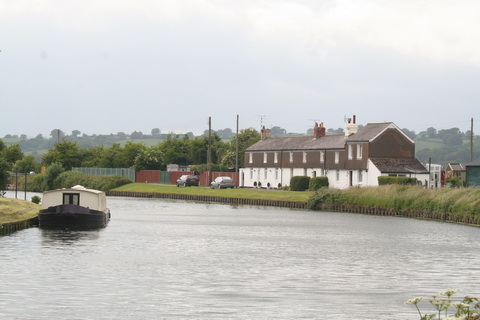
Purton cottages 01_resize

Canalside cottages (all occupied)

Purton canal furniture 04_resize

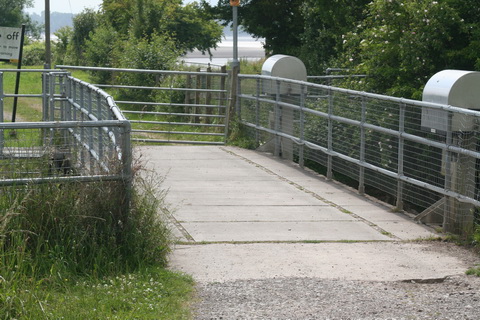
One of several designs of self-closing gate

Purton canal furniture 05_resize

Pontoon

Purton canal furniture 06_resize

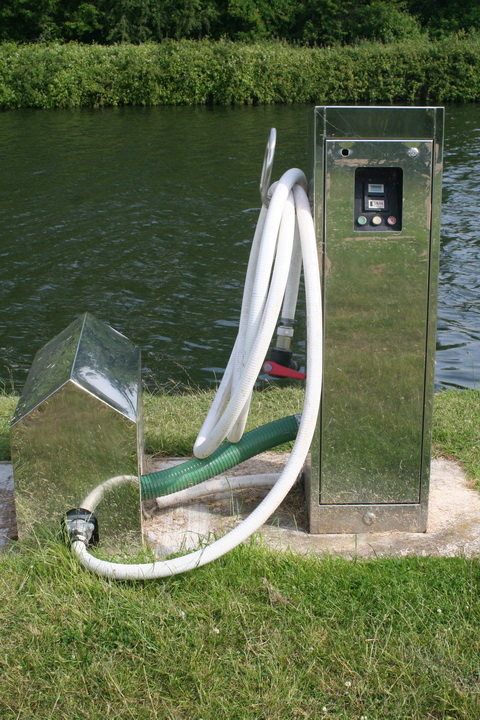
Pumpout

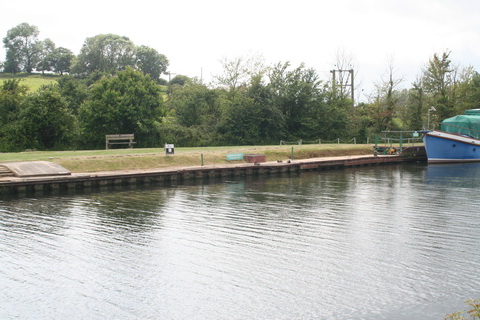
Purton Gloucester and Sharpness Canal 03_resize

Moorings

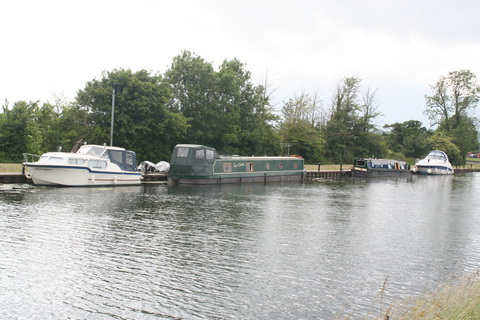
Boats at Purton 2015 01_resize

Boats 1

Boats at Purton 2015 05_resize

Boats 2

Boats at Purton 2015 06_resize

Boats 3

Purton boats 10_resize

Boats 4

The hulks

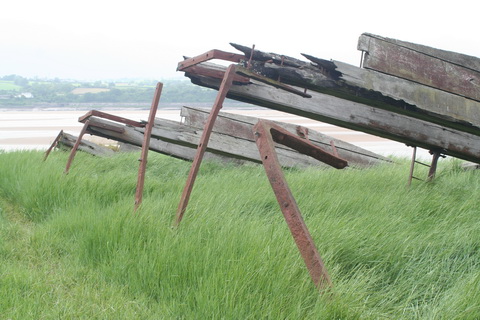
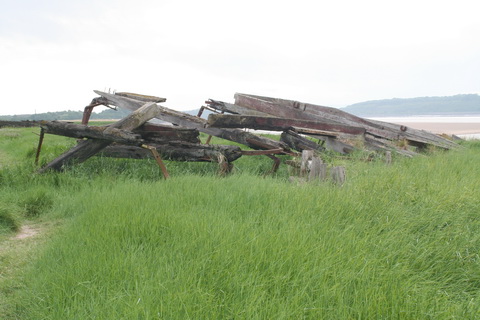
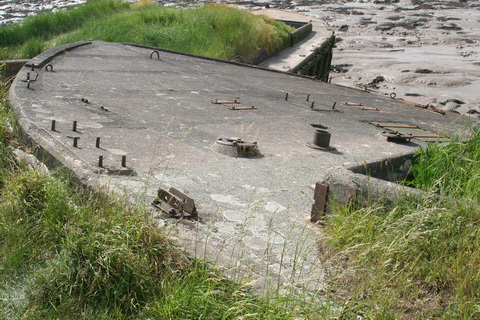
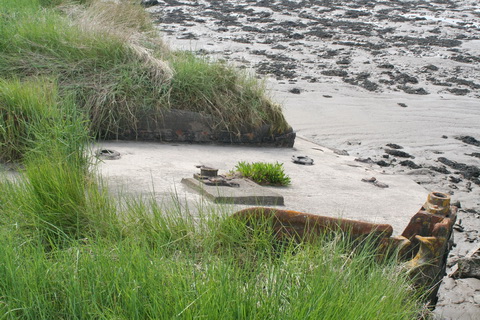
The hulls of old vessels were used to shore up the embankment, between canal and river, at Purton. [This practice was also used in Ireland, on both the Barrow and the Suir, but not on anything like the same scale.] The result was the creation of a boat or ship graveyard that preserved, and makes reasonably accessible, the hulls or frames or at least parts of a large number of inland, estuarial and coastal vessels. And some of them are vessels that traded with Ireland.

The Friends of Purton have an informative website here; please also read their page about access here. I can confirm that parking is restricted on the site; it would be easy to annoy the local people by careless parking.

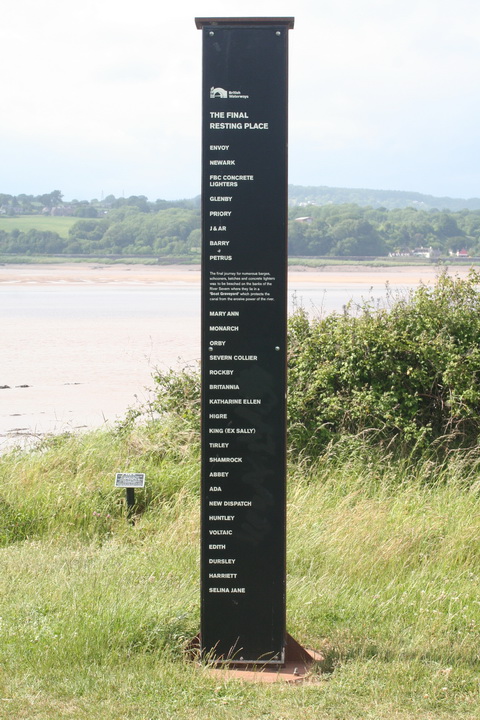
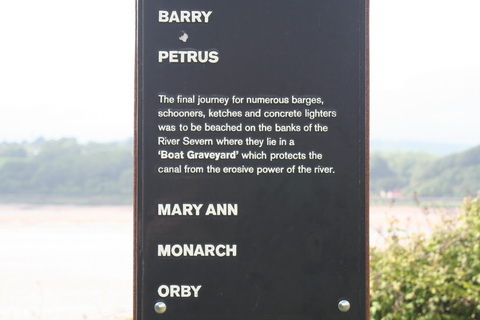
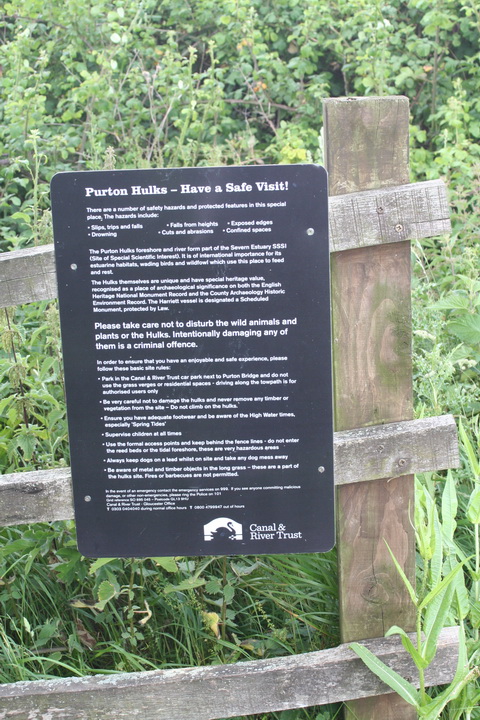
Good information is provided on site.

Purton hulks general information 01_resize

Information board

Purton hulks general information 02_resize

Memorial

Purton hulks general information 03_resize

Close-up

Purton hulks general information 04_resize

Advice

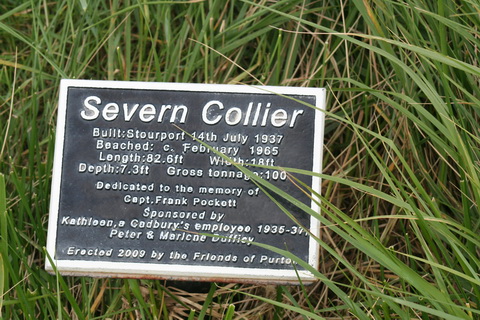
Purton hulks Severn Collier 04_resize

All identified wrecks have plaques like this

I had allowed an hour for my visit, but didn’t see everything; it would have been easy to spend twice as much time there. In the summer, growth hid a few of the artefacts, but there was plenty to see without trampling on the shrubbery.
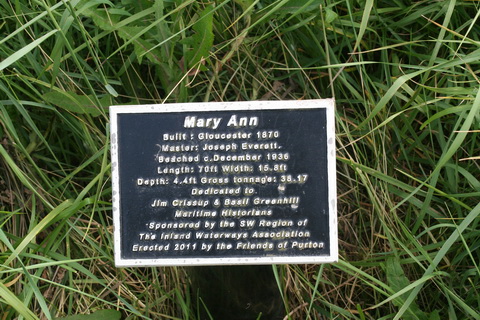
Mary Ann 01 resize

The Mary Ann

Mary Ann 03 resize

… is in there somewhere

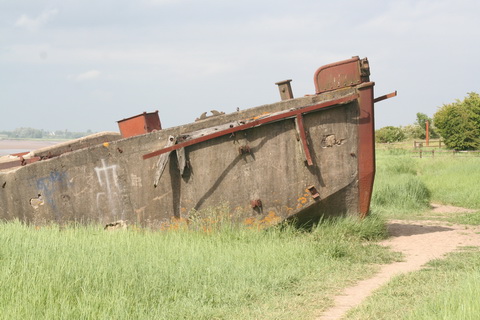
There are quite a few concrete (ferrocement) barges, built during the Second World War.
IMG_5227_resize

Up close

IMG_5229_resize

Bows on

Purton concrete barges 01_resize

Information plaque

Purton concrete barges 02_resize

Stacked up

Purton concrete barges 08_resize

Deck details

Purton concrete barges 17_resize

Merging into the bank

Purton concrete barges 18_resize

One side

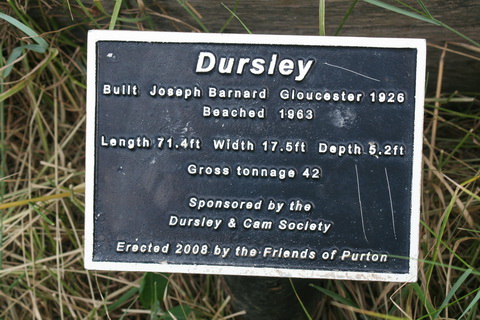
Of the other vessels, the Dursley is apparently in reasonable condition but, on my visit, was largely hidden in the grass.

Dursley 06 resize

Dursley plaque

Dursley 02 resize

Dursley sternpost and rudder

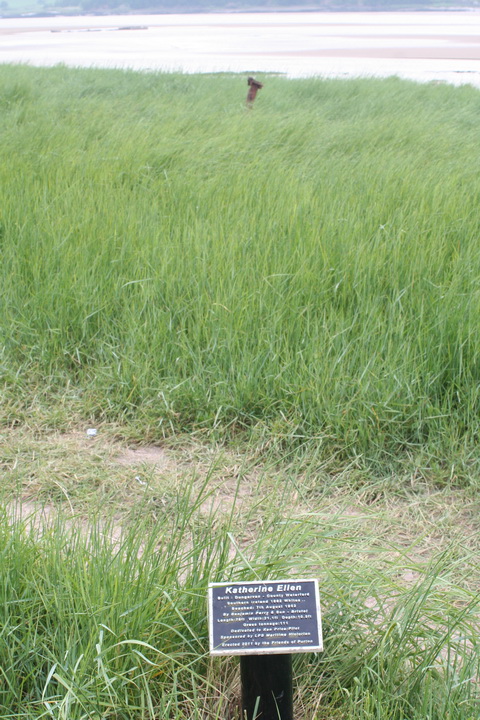
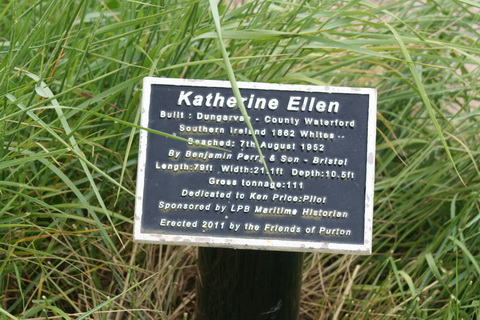
The same was true of the Katherine [or Catherine] Ellen, built in Dungarvan.
IMG_5165_resize

Katherine Ellen plaque

IMG_5166_resize

Katherine Ellen site

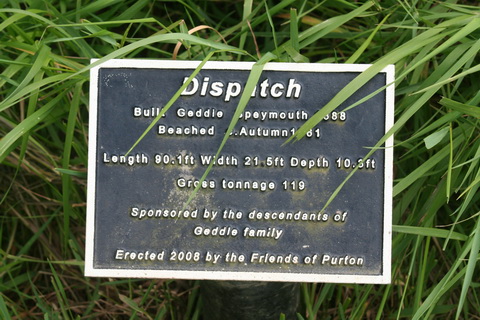
I failed to find the Jonadab, a Severn trow that traded to the (Munster) Blackwater, but I did see the remains of the Scottish-built Dispatch, which is amongst the vessels listed by Niall O’Brien as having visited the Munster Blackwater [Blackwater and Bride: navigation and trade 7000BC to 2007, Niall O’Brien Publishing, Ballyduff Upper, 2008].
IMG_5189_resize

Dispatch plaque

IMG_5190_resize

Dispatch hull

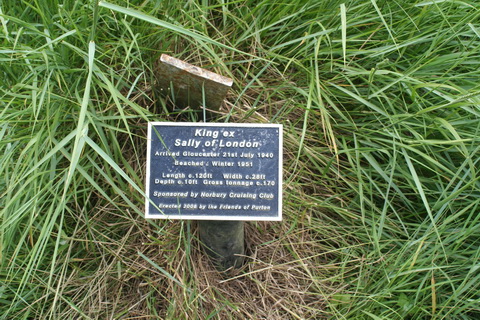
Then there were the dramatic remains of Sally, renamed King, of London.

IMG_5171_resize

Sally plaque

IMG_5172_resize

Sally remains 1

IMG_5169_resize

Sally remains 2

And many more. Even isolated timbers or iron ribs had their interest. But let me finish with a wreck that is not on the embankment but just offshore.
Purton hulks tanker 06_resize

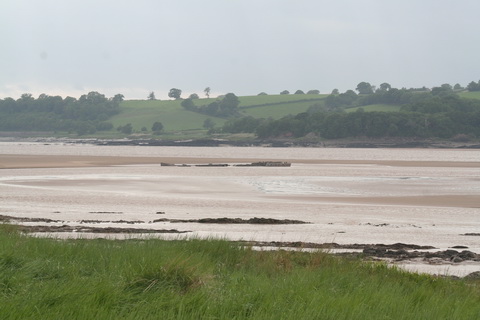
Tanker offshore

You can read about the loss of the tankers Arkendale H and Wastdale H here and here. They are remembered on a plaque at the site.
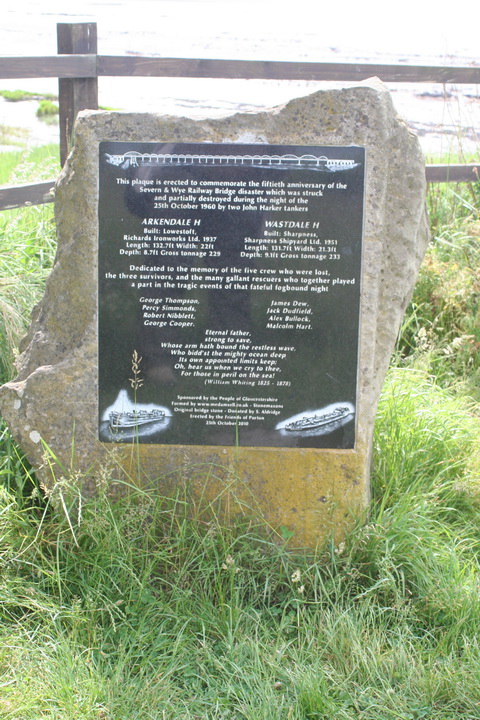
Purton hulks tanker 02_resize

Plaque about the tankers

Purton hulks tanker 03_resize

I don’t know which of the tankers is shown in my photos
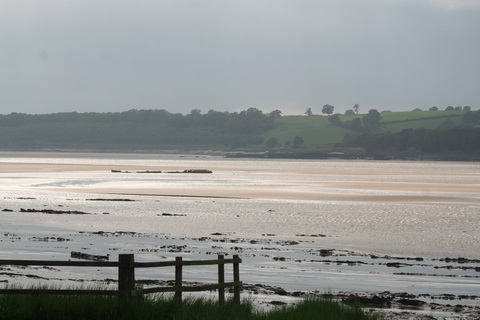
Purton hulks tanker 05_resize

The wreck is a reminder of the hazards of estuaries

Purton is well worth a visit — but it is only one of the waterways delights close to the Fishguard/Pembroke to London route.