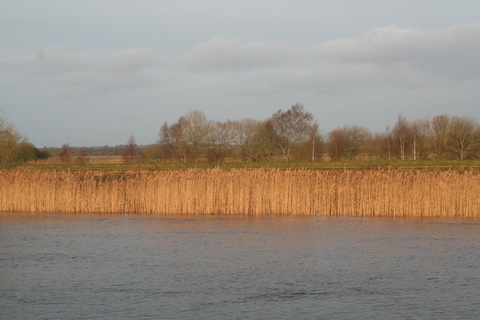
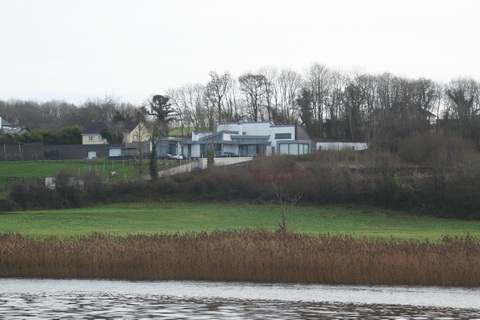
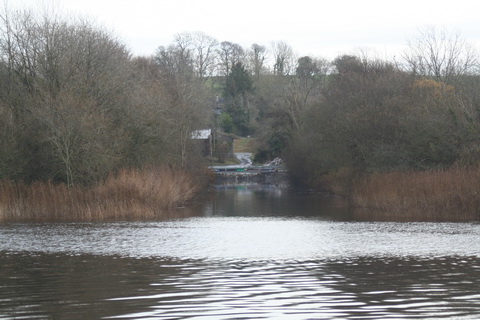
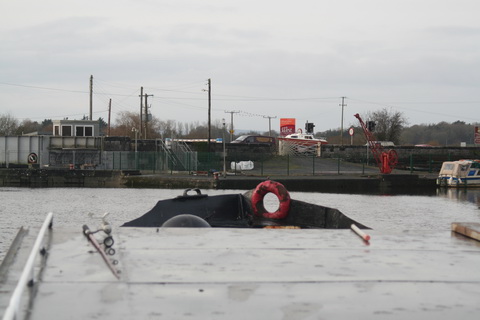
Tag Archives: Lough Derg

Rail, road and river: steam in 1829

Four news items, all in the Varieties section of the Hampshire Chronicle on 19 October 1829.

Rail

The trial of the locomotive carriages near Liverpool was continued on Saturday, when Mr Stephenson’s engine, the Rocket, disencumbered of every weight, shot along the road at the almost incredible rate of 32 miles in the hour! So astonishing was the celerity with which the engine, without its apparatus, darted past the spectators, that it could be compared to nothing but the rapidity with which the swallow darts through the air.

Road 1

Mr Gurney’s steam carriage can be stopped dead within the space of two yards, though going at the rate of from 18 to 20 miles an hour, and this without any inconvenient shock to the machinery or passengers. It is capable of dragging a carriage, weighing three tons and containing 100 passengers, over a level road, at the rate of eight, nine, or ten miles an hour: will drag the same carriage, containing 25 passengers, up the steepest road in England, at the same rate. On ascending hills, for every cwt that is shifted from the front to the hind wheels, the carriage requires an additional drawing power of 4 cwt and on level ground an additional power of half a ton. The contrivance by which the carriage may be retarded at pleasure on descending hills, acts independently of the wheels, so that the sliding and cutting effect of the ordinary drags is entirely avoided.

Road 2

Sir James Anderson has entered into a contract with the Irish Post Office, by which he undertakes to convey the mails throughout Ireland at the rate of 12 miles an hour, in coaches impelled by steam, calculated to carry two or three passengers, in addition to the coachman and guard. This invention of Sir James Anderson, for which he has obtained a patent, has seldom been exhibited out of the yard in which it was constructed; but it is said to bear very little resemblance to the drag-coach of Mr Gurney. The contract is understood to be for 14 years, and the only pecuniary stipulation made by Sir James is, that he shall receive half the money which the Government shall save by adopting his system. He will shortly commence carrying the mails between Howth and Dublin. The road is level and good, and the distance not more than nine or ten miles.

[Note: an 1841 proposal by Sir James Anderson is covered here. And here is a longer piece about Sir James and the Steam Carriage and Waggon Company of Ireland.]

River

An iron steam boat of a peculiar construction, and having the paddles in the centre, has been built at Liverpool, by Messrs Fawcell and Co for the Irish Inland Steam Navigation Company. This vessel was tried in the Mersey on Monday, and the result was highly satisfactory. Another iron vessel, of 60 tons burden, was launched on Tuesday from Messrs Wm Laird and Son’s yard, on the banks of Wallasey Pool.

[Note: the Fawcett steamer and the 60-ton barge were destined for the Shannon. The barge was the first iron vessel built by Lairds.]

The Shannon in winter

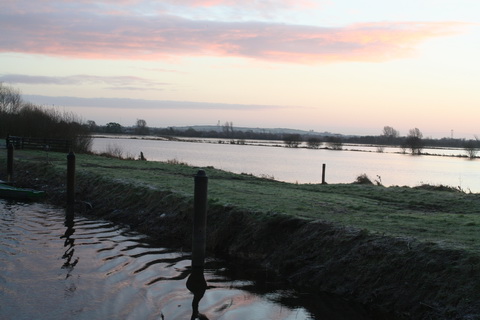
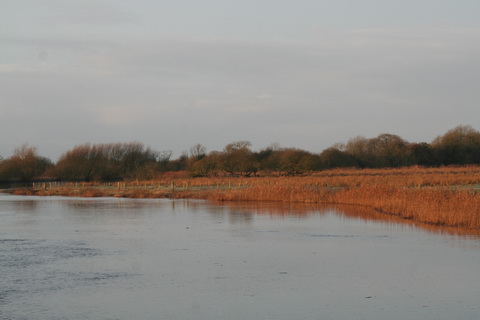
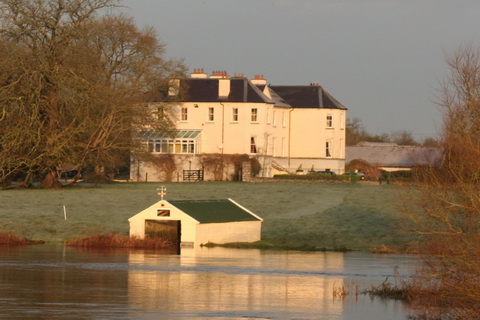
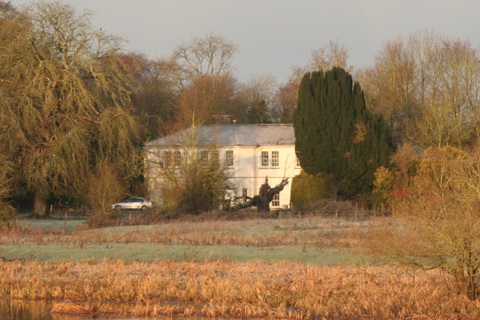
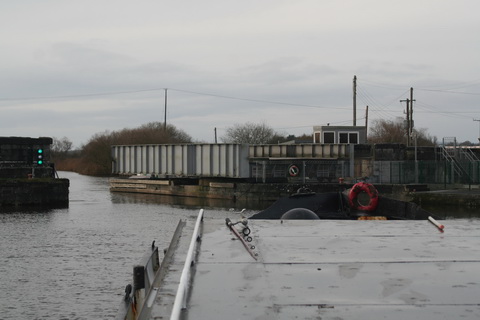
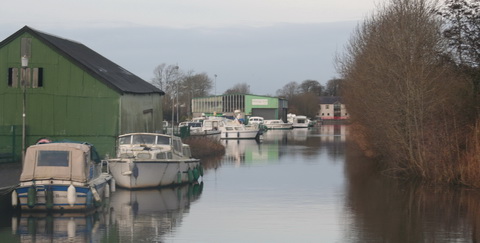
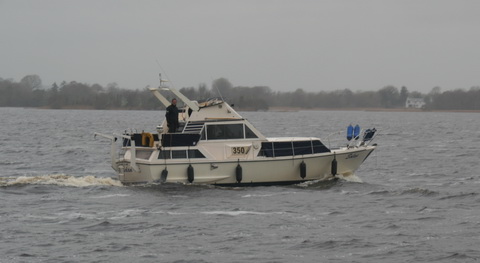
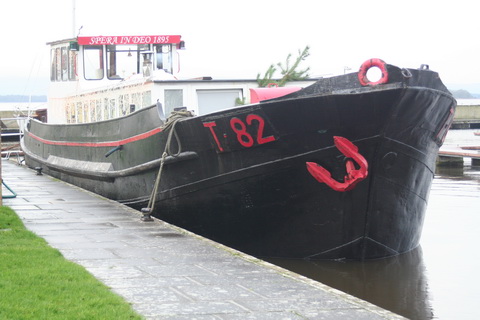
Downriver from Shannon Harbour to Dromineer in December 2014. It began as a bright, cold morning.

Shannon Harbour to Dromineer December 2014 01_resize

Leaving Shannon Harbour after icebreaking between the locks

Shannon Harbour to Dromineer December 2014 02_resize

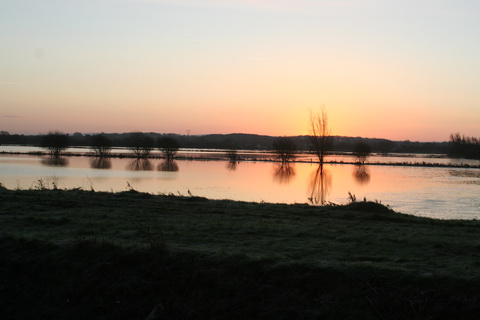
Flooding to the south-east

Shannon Harbour to Dromineer December 2014 03_resize

But southward, look …

Shannon Harbour to Dromineer December 2014 06_resize

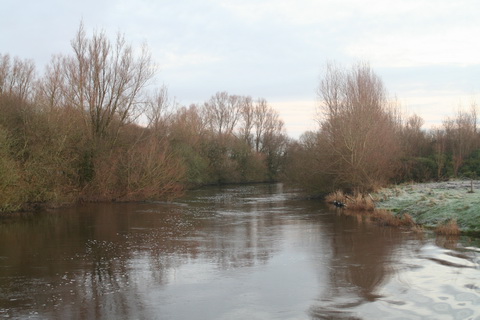
The Brosna

Shannon Harbour to Dromineer December 2014 73_resize

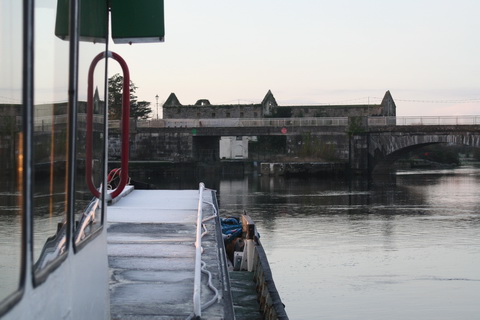
Heading for Banagher Bridge 1

Shannon Harbour to Dromineer December 2014 75_resize

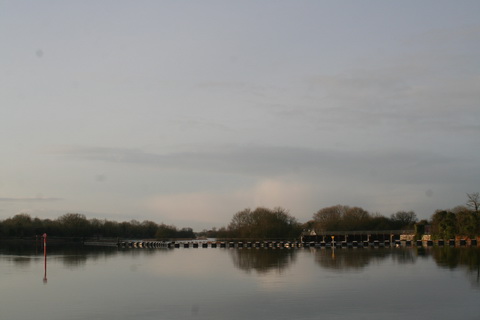
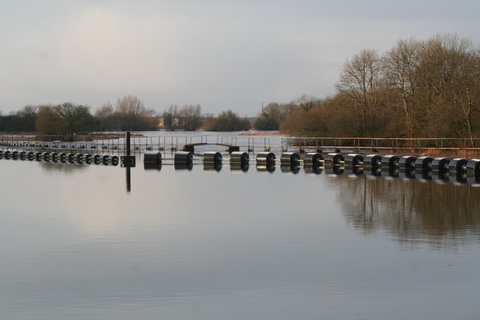
Keeping close to the pontoons

Shannon Harbour to Dromineer December 2014 98_resize

Heading for Banagher Bridge 2

Shannon Harbour to Dromineer December 2014 103_resize

Heading for Banagher Bridge 3

There is a YouTube video of the shooting of the bridge here. It seems to start automatically, including sound; I don’t know how to avoid that.

Shannon Harbour to Dromineer December 2014 107_resize

Looking back at Banagher

Shannon Harbour to Dromineer December 2014 116_resize

Colours

Shannon Harbour to Dromineer December 2014 124_resize

Invernisk

Shannon Harbour to Dromineer December 2014 129_resize

Shannon Grove

Shannon Harbour to Dromineer December 2014 134_resize

Current

Shannon Harbour to Dromineer December 2014 140_resize

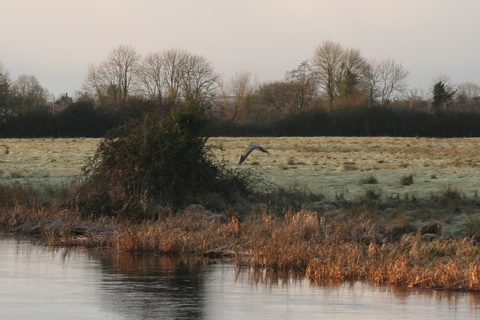
Scarpering heron

Shannon Harbour to Dromineer December 2014 146_resize

Colours

Shannon Harbour to Dromineer December 2014 149_resize

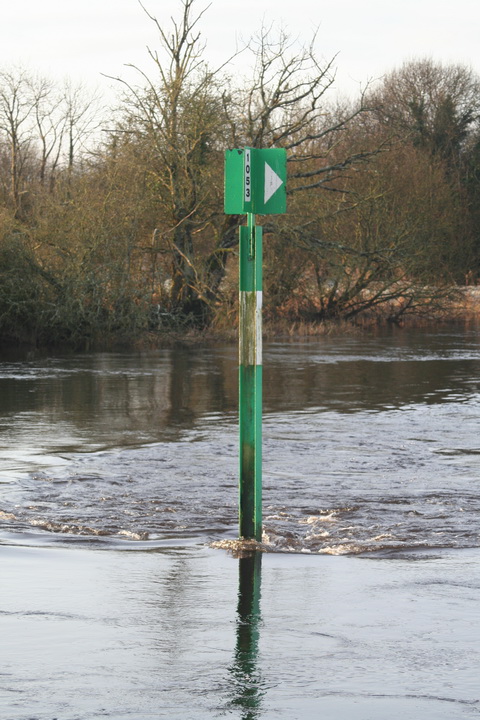
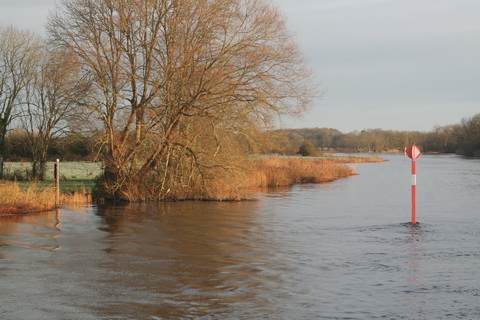
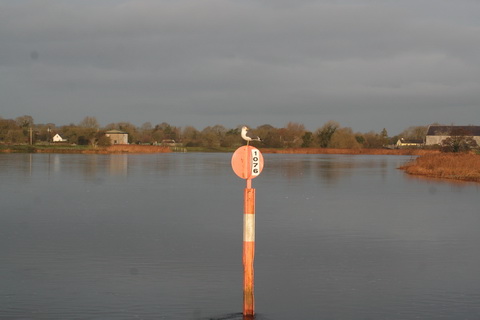
Marker and gauge

Shannon Harbour to Dromineer December 2014 151_resize

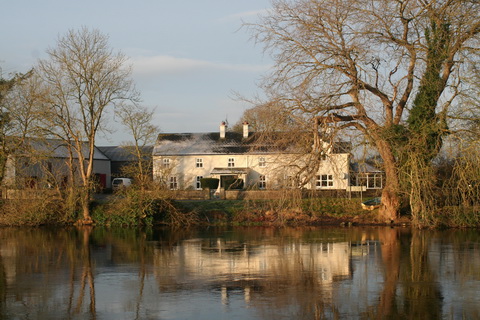
House

Shannon Harbour to Dromineer December 2014 169_resize

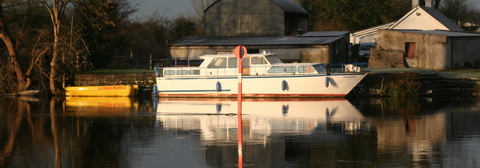
Boats at Meelick

Shannon Harbour to Dromineer December 2014 170_resize

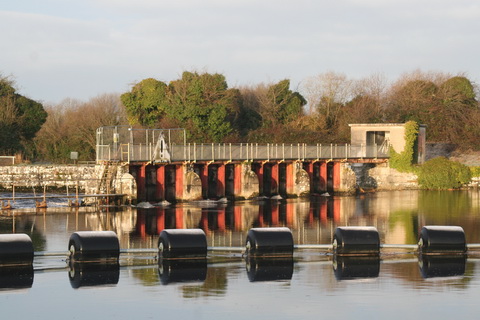
Meelick weir

Shannon Harbour to Dromineer December 2014 174_resize

East bank

Shannon Harbour to Dromineer December 2014 176_resize

Protective boom

Shannon Harbour to Dromineer December 2014 181_resize

Sluices

Shannon Harbour to Dromineer December 2014 198_resize

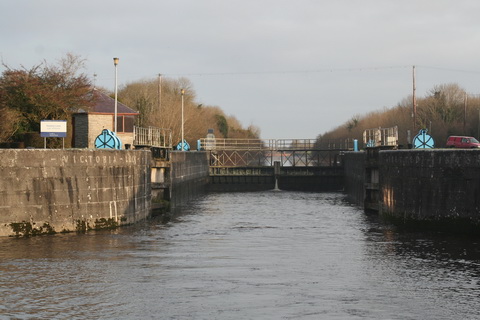
Through Meelick Lock

Shannon Harbour to Dromineer December 2014 205_resize

One bird

Shannon Harbour to Dromineer December 2014 213_resize

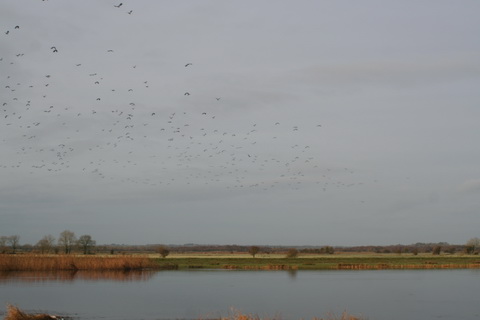
Many birds

Shannon Harbour to Dromineer December 2014 221_resize

Reeds

Shannon Harbour to Dromineer December 2014 226_resize

Architecture

Shannon Harbour to Dromineer December 2014 228_resize

Munster Harbour

Shannon Harbour to Dromineer December 2014 233_resize

Delaying Eamon Egan

Shannon Harbour to Dromineer December 2014 235_resize

Gateway to civilisation

Shannon Harbour to Dromineer December 2014 237_resize

Connacht Harbour

Shannon Harbour to Dromineer December 2014 239_resize

Lough Derg: weather has changed

Shannon Harbour to Dromineer December 2014 243_resize

Journey’s end, Dromineer


Nenagh Canal

Canal between Nenagh and the River Shannon

At a numerous and highly respectable Meeting of the Gentry, Merchants, Traders, and Freeholders of the Baronies of Upper Ormond, Lower Ormond, and Owney and Arra, held at Nenagh, County of Tipperary, on Wednesday, the 30th day of January, 1839.

PETER HOLMES, Esq, JP, and DL, in the Chair.

Moved by John Bayly, Esq; seconded by the Rev J H Poe, Rector of Nenagh:

Resolved — That we consider a Canal communication between Nenagh and the River Shannon, of vital importance to the prosperity of the town and neighbourhood, as increasing commerce, lessening the cost of fuel, facilitating intercourse with the sea ports of the country, and giving employment to the poor.

Moved by John Bouchier, Esq; seconded by the Reverend Ambrose O’Connor, PP of Nenagh:

Resolved — That we have heard with interest the Report of Mr Henry Buck, Engineer, on the proposed line of Canal; and recommend the adoption of the line he has surveyed.

Moved by John M’Keogh Dwyer, Esq; seconded by Thomas Maguire, Esq:

Resolved — That we recommend the adoption of the Prospectus that we have heard read.

Moved by Hastings Atkins, Esq; seconded by J J Poe, Esq:

Resolved — That we appoint Peter Holmes, Esq, a Commissioner, who is to name a second, the second a third, and so on, until the whole are appointed.

Moved by O’Brien Dillon, Esq; seconded by John Bayley, Esq:

Resolved — That the names of Lords Dunally, and Orkney be added to the list of Commissioners.

Moved by Doctor Quin; seconded by Doctor Dempster:

Resolved — That we recommend the proceedings of the Meeting to be published in the Nenagh Guardian, Limerick Chronicle, and other Papers, and that the Secretary be instructed to get printed 300 copies of the Prospectus.

Moved by John M’Keogh Dwyer, Esq; seconded by Thos Maguire, Esq:

Resolved — That we now enter into a Subscription list for Shares, according to the provisions of the Prospectus read at this Meeting.

PETER HOLMES, Chairman.
O’BRIEN DILLON, Secretary.

Mr Holmes having left the Chair, and Mr Bayley having been called thereto —

Resolved — That the thanks of the Meeting are due, and hereby given, to Peter Holmes, Esq, for his impartial conduct in the Chair, and for the spirited example he has set in being the first to subscribe for Fifty Shares.

JOHN BAYLEY, Chairman.
O’BRIEN DILLON, Secretary.

Dublin Monitor 7 February 1839

Down to the sea in steps

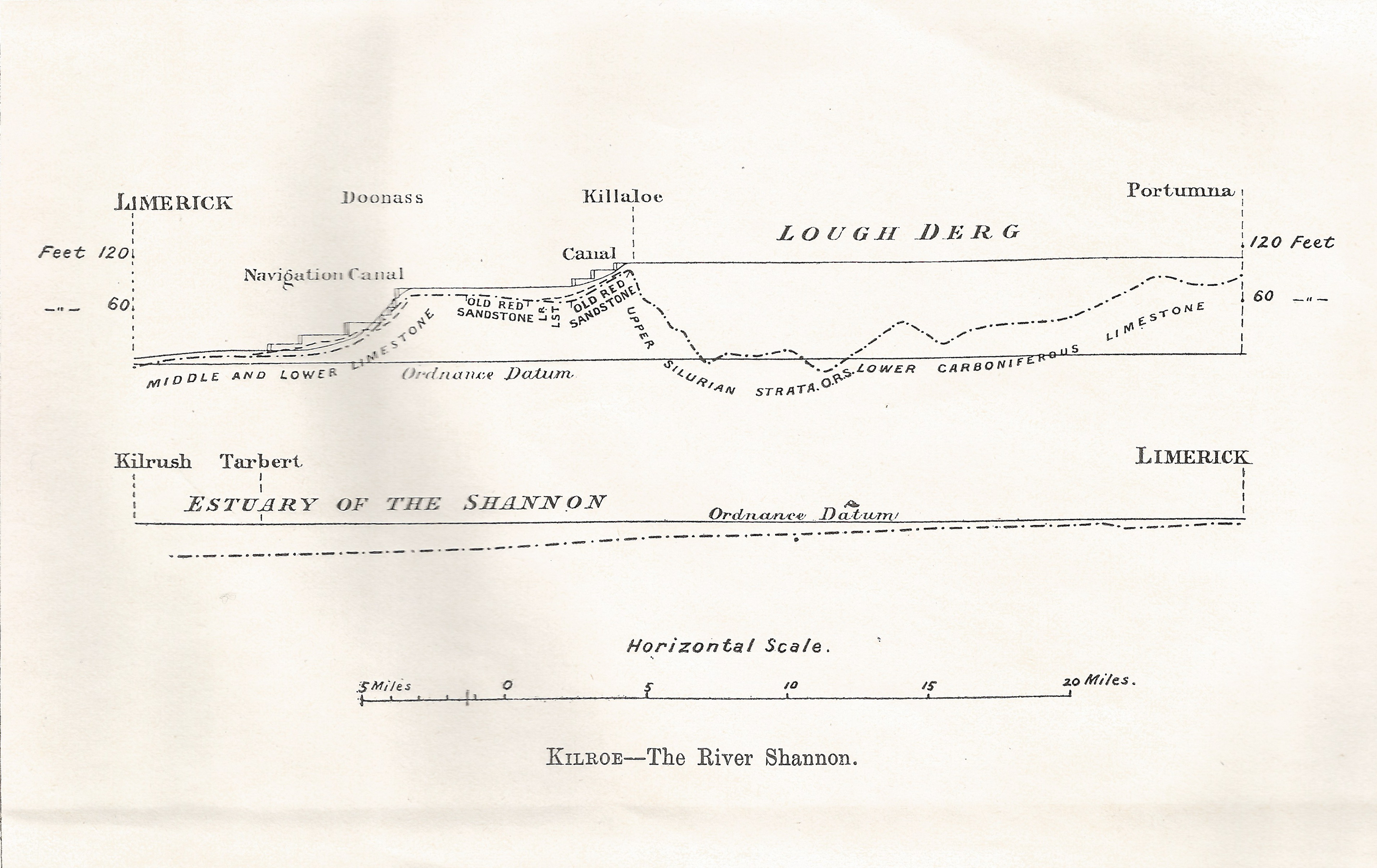
On 28 January 1907 James Robinson Kilroe [near the bottom of the page] of H M Geological Survey read to the Royal Irish Academy a paper on “The River Shannon: its present course and geological history” [Proceedings of the Royal Irish Academy Vol XXVI Section B No 8 Hodges, Figgis & Co Ltd, Dublin; Williams & Norgate, London 1907]. I thought that Plate V was interesting.

Shannon Derg to sea

Plate V

Kilroe wrote:

It will be perceived that instead of the river being shallow over the unyielding Silurian slate-rock, set almost vertically, and striking across the river-course, it is deeper than over the limestone of Lough Derg, and much deeper than over the comparatively easily eroded Old Red Sandstone at Killaloe. The river-bed actually drops below the datum line above the town, while at the town it is 100 feet above datum.

Old Red Sandstone strata are here to be seen in the river-bank, and Silurian rocks in situ in its bed. A barrier is thus formed, partly of Silurian, and partly of Old Red Sandstone rocks, which without the artificial impounding weir would retain the waters of Lough Derg to a depth of some 104 feet opposite Derrycastle — two miles above Killaloe.

One might have expected to find a fairly level shallow bed from Killaloe northward, a sudden drop from slate-rock to the sandstone floor, and  a pronounced wide, well-formed valley in the limestone district southward to Limerick.

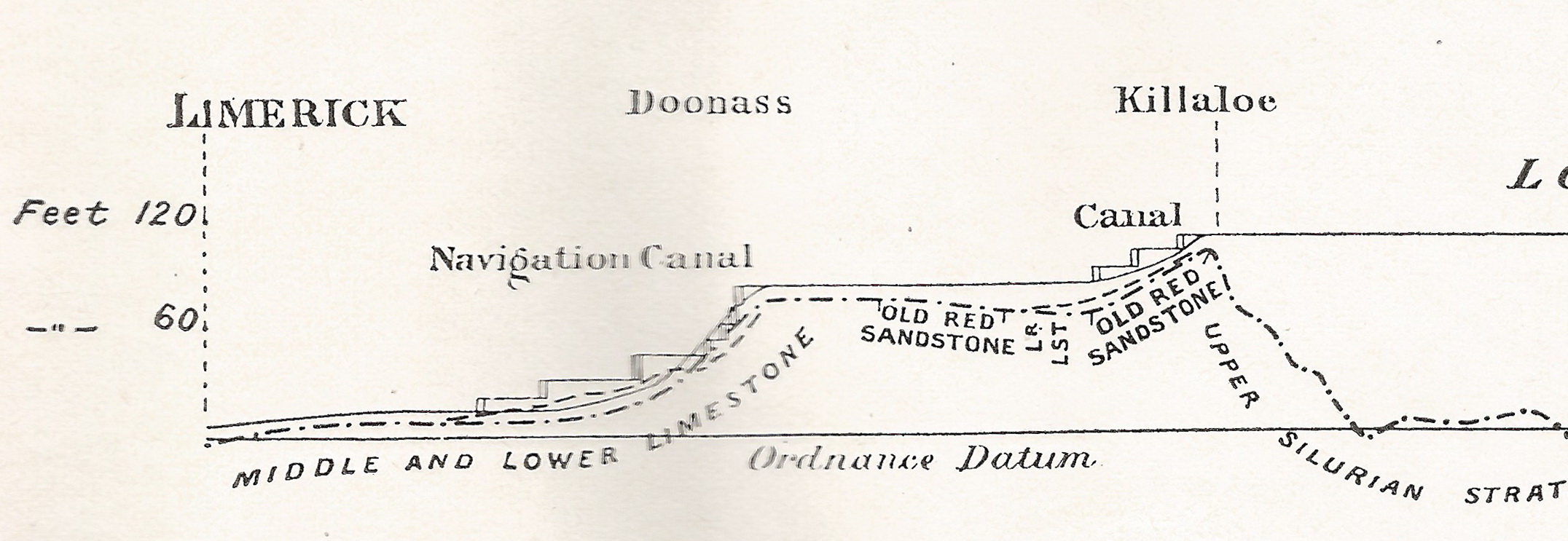
None of these elements exist; instead, we have the formidable barrier at Killaloe, naturally damming up a considerable depth of water in Lough Derg, and the river falling away southward by a series of rapids which correspond with drops in the canal, south of O’Briensbridge […], along an alternative course, possibly one used by a branch of the Shannon.

Here is an extract from the Plate V map, showing the steps of the (pre-Ardnacrusha) Limerick Navigation between Lough Derg and the sea.

Shannon Killaloe to Limerick

The steps of the canal (click to enlarge)

Upstream

Kilroe wrote of Lough Ree:

The waters of Lough Ree stood some 10 feet higher within recent times than they now do, as proved by evidence of solution, with under-cutting of limestone blocks, to be seen about five miles north-west of Athlone, close to the railway, in the townland of Cornaseer.

Under these conditions the lake must have been, perhaps, twice its width, and for a considerable period. Its ancient surface-level is clearly indicated by the caps of the mushroom-shaped blocks.

And of the Shannon between Lough Ree and Lough Derg:

The extreme flatness of the river between Athlone and Meelick is such that, consequent upon the completion of the Suck Drainage-works in 1892, it was found that the callows along the Shannon above the confluence of the Suck at Shannonbridge were much more liable to sudden and frequent floodings than they previously had been.

The more rapid discharge of the Suck waters into the Shannon, before ordinary extra water had time to pass away, had the effect of modifying the regimen of the main stream to an extent which resulted in an action at law [La Touche -v- The Suck Drainage Board].

I have found only one account of that case, in the Freeman’s Journal of 1 July 1893. The plaintiffs, Messrs Harrison and La Touche, owned land at Cappaleitrim, on the west bank of the Shannon above Shannonbridge. They said that the actions of the Suck Drainage Board had caused their lands to be flooded:

[…] that the defendants brought water from the Suck into the Shannon, containing a drainage of 40 miles, with such velocity and such volume that the Shannon was penned back, and that the back water caused the damage to the lands complained of.

[…] The jury disagreed and were discharged.

I don’t know whether the matter ever again came before a judge.

Remarkable case of abduction

At the Nenagh Petty Sessions, on Thursday last, information was sworn by Catherine M’Namara against John Creighton, Martin Creighton, and others, for abduction and assault; a warrant was consequently issued by the Bench of Magistrates.

Margaret M’Namara, a very pretty country girl, is the only unmarried daughter of a comfortable farmer of that name, residing in the parish of Island, in Galway.* John Creighton, a hamlet rake and village debauchee, living in the same neighbourhood, took it into his head, by one bold stroke, to secure himself in a pretty wife and handsome fortune, which would enable him to give larger and longer scope to his abandoned career.

Confederating with a few of his associates (among whom was his brother Martin) at a public-house, he there revealed to them his adventurous project, and it was unanimously agreed that their leader should have a wife and fortune. Accordingly, at dead of night, they sallied forth, and soon arrived at the cottage-home of the devoted girl.

A solitary and startling knock at the door was the first intimation that the unconscious inmates had of their danger. “Who comes there?” — “A friend, open the door!” — “What is wanted at this unseasonable hour?” — “No matter — open the door.” Old M’Namara rose, and the maiden cowered behind her mother in the bed. A dead silence of some moments elapsed — a murmur of whispering voices was heard, and, in another instant, in tumbled the door with a crashing noise.

All then was uproar and confusion — resistance was useless. Old M’Namara was felled to the ground, others of the family were unmercifully beaten, the mother’s arm broken, and the maiden herself was dragged from her bed out into the bawn in almost a state of nudity!

Her clothes were then brought out, and she was compelled to huddle them on her. Fearful lest powerful assistance might be brought to the spot, and that they might be deprived of their prize, the heartless wretches dragged her along the verge of the Shannon, and alike regardless of the forlornness of her condition and the delicacy of her sex, they flung her into a boat and splashed to the opposite shore.

After landing she was literally dragged for the distance of five miles across a lonely and cheerless tract of country; and as the dawn was breaking, she was secreted, in a state of exhaustion, in a friend’s house of Creighton’s, on the lands of Carighatogher, near Nenagh. During the journey, Creighton’s brothers frequently said to him — “Glory to you, John, you can now drink and smoke enough.”

The next morning M’Namara’s friends were indefatigable, though unsuccessful, in their efforts to find Creighton and his party. Mr Reed, a neighbouring magistrate, granted a search warrant; and himself in person, with an escort of police, scoured the country, but their exertions were equally uncrowned with success.

Mr Reed having received intelligence that the offenders were in the neighbourhood of Castle Lough, sent a note by express to Mr Anthony Parker, a gentleman of high respectability, a magistrate, and a deputy lieutenant of the county of Tipperary. Mr Parker, with his usual promptitude, instituted a general search throughout Castle Lough and the surrounding country.

During this lapse of time, Catherine M’Namara was removed to a cabin belonging to an individual named Reedy, the local position of which was the centre of a dreary bog. While there, deploring her unfortunate condition,she was alarmed by the cry of “Police! police!” “fly, fly!” She lifted her head, and saw Creighton running out of the back door, while a middle-sized, sandy-complexioned man and five country-fellows, who were well armed, darkened the front entrance at almost the same moment. An involuntary shuddering seized her when she saw the men staring inquisitively in her face.

Reedy, the lord of the “mud edifice,” demanded “by what authority they dared to enter his mansion?” The man who seemed to be the leader, heedless of Reedy’s questions, approached the shivering girl, and asked her in a northern accent, “if she were detained against her inclination, or if she needed protection?” Her humid eyes met his, and in mute eloquence implored protection. “Child, do you need protection?”the game voice again repeated in a hurried cadence.She grasped his arm, and almost breathlessly exclaimed, “I want nothing else!”

The house was instantly cleared of a crowd that had collected; her clothes were gathered; the little party filed around her, and proceeded silently to the road, expecting each moment to be attacked. She was afterwards conducted to the house of a respectable farmer named Quin, where she was hospitably received and entertained, and protected for the following night and day.

Mr Baxter, the leader of the little party that had rendered such signal service to the cause of humanity, then learned from the poor girl’s own lips the particulars connected with her abduction. Before he went to Reedy’s cottage, all he knew was,that a strange young woman was detained there against her inclination, and under suspicious circumstances.

Next day she was accompanied to the sessions-house of Nenagh, where Mr Parker, fortunately, was a sitting Magistrate; she was admitted into the jury-room, and her evidence taken, and a warrant was issued as before mentioned. After being examined, Mr Parker very kindly gave her money, got her a proper conveyance, and an escort of police to conduct her to the arms of her afflicted parents, where she now remains under the especial protection of Mr Reed.

Leamington Spa Courier 7 March 1835

* I have no idea where that is: Griffith, Lewis and the Parliamentary Gazetteer make no mention [that I can find] of a parish called Island or Islands in County Galway or County Clare [I checked both because the boundary changed later in the nineteenth century]. Could the author have meant Illaunmore? Or Inis Cealtra? Griffith finds McNamaras and a Creighton in the parish of Inishcaltra.

Two men drowned on Lough Derg

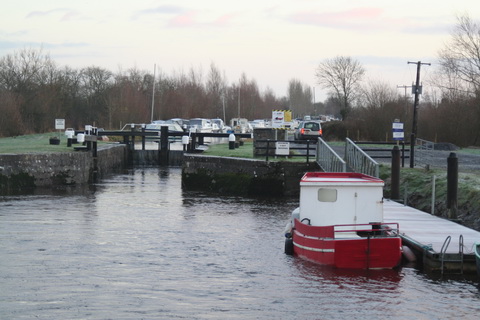
A melancholy loss of life took place on the river Shannon, within five miles of Nenagh. Master Edmond Bourke (eldest son of John Bourke, of Tintrim, Esq, JP) in company with two men named Fahy and Conway, was on an excursion of pleasure in his father’s yacht. On entering Lough Derg with swelling sails a sudden squall bowed the vessel on her side and dipped the sails beneatht he surface of the water. The yacht recovered her upright posture, but being so full of water she went down gradually until completely hidden from view. The two boatmen perished, but Master Bourke clung to an oar and struggled with his fate. He was picked up in the last stage of exhaustion by some persons who had witnessed the melancholy scene from the shore, and had put out a boat to his assistance.

The Dublin Monitor 8 July 1841 quoting the Limerick Chronicle


Fuel consumption

The Dublin Monitor of 3 December 1839 quoted the celebrated Dublin-born adulterer and polymath Dionysius Lardner [who said that Victorians were prudish?] as saying

A train of coaches, about eighty tons, and transporting 230 passengers, with their luggage, has been taken from Liverpool to Birmingham, and from Birmingham to Liverpool, the trip each way taking about four hours, stoppages included. The distance between these places by the railway is ninety-five miles.

This double journey of 190 miles is effected by the mechanical force produced in the combustion of a quarter of a ton of coke, the value of which is 6s.

To carry the same number of passengers daily between the same places by stage coaches, on a common road, would require twenty coaches, and an establishment of 3,800 horses, with which the journey in each direction would be performed in about twelve hours, stoppages included.

Dr Lardner on the Steam Engine

The fuel consumption figure seemed odd to me, because I had recently read about the fuel consumed by a steamer on the Shannon in 1851. This was evidently one of the two screw steamers put to work by the Grand Canal Company in 1851, on which Sir John MacNeill conducted the experiments described here.

A luggage boat propelled by steam, on the screw principle, has been for the first time placed on the waters of the Shannon between Shannon Harbour and Limerick, taking in Portumna, Dromineer, Williamstown [probably Hollands], Killaloe, and the river and canal, to the terminus lock at Limerick.

As a specimen of aquatic architecture, the boat presents no very peculiar or striking features; it is built of iron, with a flush deck; it is capable of carrying about thirty tons, and the rate at which it goes on the canal, is about three and a half miles an hour, whether singly, or as a tug boat with two or three heavy lighters after it; whilst on the broader waters of the river, it is capable of going at a rate of seven and a half miles an hour!

This phenomenon may be explained by the fact that on the canal, which is comparatively narrow, there is no expansion of the waters displaced by the boat, whilst there is always a considerable swell raised about the prow, causes which conspire to retard her speed, and which do not operate when she is on the river.

The expense of working this boat is considerably less than that of the ordinary boat drawn by horses. A ton of coal supplies the engine between Limerick and Shannon Harbour; whereas the horsing alone of a boat between Limerick and Killaloe amounts to something about ten shillings.

The experiment, however, has not been sufficiently tested; and there is some doubt that it may succeed according to the expectations of its projectors. Just now several industrious persons with horses are employed on the canal: and it is to be hoped that in this season of dearth and destitution, no hasty means will be adopted to force them for subsistence on overgrown poor rates.

Limerick Reporter 27 May 1851

The Limerick Reporter article does not say, and I cannot determine, whether this was  Towing steamer No 2 [Appendix 3 in Ruth Delany The Grand Canal of Ireland David and Charles, Newton Abbot 1973], the twin-screw vessel which MacNeill, confusingly, called the No 1 Boat, or the single-screw Towing steamer No 1, which MacNeill called the No 2 Boat.

But I was surprised that the railway train could do 190 miles on a quarter ton of coke while the steamer required a ton for the (roughly) 54 miles from Shannon Harbour to Limerick.

On consulting the online Gutenberg version of the seventh edition of Dionysius Lardner The Steam Engine explained and illustrated; with an account of its invention and progressive improvement, and its application to navigation and railways; including also A Memoir of Watt Taylor and Walton, London 1840, I found that there were some differences between that and the Dublin Monitor‘s version:

A train of coaches weighing about eighty tons, and transporting two hundred and forty passengers with their luggage, has been taken from Liverpool to Birmingham, and back from Birmingham to Liverpool, the trip each way taking about four hours and a quarter, stoppages included. The distance between these places by the railway is ninety-five miles.

This double journey of one hundred and ninety miles is effected by the mechanical force produced in the combustion of four tons of coke, the value of which is about five pounds.

To carry the same number of passengers daily between the same places by stage-coaches on a common road, would require twenty coaches and an establishment of three thousand eight hundred horses, with which the journey in each direction would be performed in about twelve hours, stoppages included.

So 240 passengers, not 230; 4¼ rather than 4 hours — and most significantly 4 tons of coke, costing about £5, rather than ¼ ton costing 6s [£0.3].

Did the Dublin Monitor get it wrong — and, if so, why and how? Or were the lower figures in some earlier edition of Lardner’s work?


The agency model

I have been told that, until recent years, travel agents in Germany and elsewhere would buy packages of weeks on Irish hire-boatsa and then sell them on to their own clients. I have also been told that this “agency model” ceased to be used [or became less used], perhaps because of the growth of internet booking. And it has been suggested that this was one of the factors in the decline of the Shannon hire-boat trade, to which I have repeatedly drawn attention [most recently here].

I do not know whether this phenomenon has been documented or formally studied. If it has, I would be grateful if any reader can point me to the documents or studies. I would also welcome other Comments on the proposition.

Packaging and marketing

I mention it now because, when launching the Shannon Blueway project, the waterways minister Heather Humphreys said:

The launch of the Blueway will allow local businesses [to] capitalise on an increase in demand for transport, equipment hire, accommodation and entertainment.

I think that the Blueway is an excellent idea, but I am concerned about whether small local companies will be able to package and market it effectively to overseas tourists. If the long-established cruiser-hire-firms were or are finding effective marketing difficult, why would (say) a canoe- or bicycle-hire-firm in Drumshanbo find it any easier?

Marketing to anglers

There was an interesting discussion at the Joint Oireachtas Committee on Transport and Communications about “Depletion of Inland Fish Stocks and Impact of Estuary Poaching: Inland Fisheries Ireland” on 22 October 2014. Note in particular the contributions of Dr Ciaran Byrne from 10:25 onwards about how Inland Fisheries Ireland markets Irish angling to overseas anglers.

What struck me was not that IFI uses any particularly magical marketing methods but that it is dealing with a well-defined interest group: people who are committed to a particular activity and have invested heavily in it (buying rods and stools and nets and umbrellas and maggots and whatever else anglers use).

Identifying potential customers

Anglers form one segment of the market for inland waterways holidays, but the task of selling to other segments is harder if they lack a single compelling interest. Hence, no doubt, those rather demented attempts by Fáilte Ireland or Tourism Ireland to categorise potential customers as ‘Sightseers and Culture Seekers’, ‘Family & Loved Ones’, ‘Relaxers’ and ‘Outdoor Actives’. None of their interests strikes me as being exactly compelling: there are several countries where you can relax, engage in outdoor activities or look at sights.

What you really need is obsessive customers: folk, with money to spare, who are really interested in one thing. Then you entice them to your area and take their money from them: not, as Brian Ború would have done, by hitting them over the head and stealing it, but by selling them overpriced goods and services.

Lough Derg

If you don’t have obsessive customers, who are compelled by their inner urges to dangle maggots in your waters (or whatever else turns them on), then you might try offering a compelling attraction: something that is so interesting that folk put it on their to-do lists. Unfortunately, as Fáilte Ireland’s Lakelands Lough Derg Roadmap [PDF, 6.7MB; well worth reading] admits,

Lough Derg does not have suffient key attractions that act as a draw to the area.

The same thought has often struck me. As you drive around the lake, you see signs pointing towards it. But suppose you’re a casual tourist who hasn’t already booked an activity. When you get to the lake, about the only thing you can do is look at the water (which becomes less interesting after a while) or at the jolly people enjoying themselves on boats (ditto).

You can, in some places, go to a pub or eatery, but you don’t need to come to Ireland to do that. Or you can paddle. If you fish, you can fish, but I’m trying to think of things for non-anglers. In Killaloe, you can take a boat trip; in Dromineer, you can hire a sailing boat; in Mountshannon, you can visit Holy Island. But there is nothing you would come to Ireland for: nothing you can’t do in other places.

Roadmap remedies

The Roadmap proposes these remedies:

The following three key tourism products are proposed:

  • A Discovery Point and Trailhead at the Portroe lookout
  • A Lough Derg Canoe/Kayak trail
  • An enhanced offering and facilities at University of Limerick Activities Centre (ULAC).

Two additional tourism products are proposed:

  • Portumna eco-park (masterplanning required)
  • Publications to promote and support active enjoyment of Lough Derg and surrounds.

There is, alas, another set of categories of potential visitors:

The three market segments identified with the best potential for delivering international visitors to Lough Derg have been identified as Curiously Cultural, Great Escapers and Nature Lovers.

Other, less exploitable, market segments are identified too, but I can’t bring myself even to name them.

Finding the punters

I’d hate it to be thought that I was a marketing expert, but it seems to me that this segmentalisation is coming at things from the wrong end. In effect, it’s saying “We have these things; what sort of person might be induced to buy them?” Then you give each of those sorts of person a category and say that you’ve found your market.

But compare that with what the fisheries folk do. They can identify magazines that anglers read, maybe (for aught I know) television programmes they watch, trade shows they visit. Identification is easy: the titles will include words like “fishing” or “angling”.

But what magazines — other than those on the top shelf — have “Curiously Cultural” or “Nature Lovers” in the title? How do you track down “Great Escapers”? It seems to me that these categories might help you to tailor a message that is broadcast to large audiences through mass media: in such cases it doesn’t matter if you appeal to only 1% of the audience, provided that that audience is large enough. However, that’s not an option available to those with small budgets: they need cheaper marketing through channels that will provide much higher returns.

Small operators

And that’s where we come back to the fact that most of the potential tourism operators around Lough Derg are pretty small. Who is going to put together packages of activities that will appeal to the curiously cultural? I’m interested only in filling my B&B and you’re interested in hiring out bicycles. I’m happy to refer customers to you and vice versa, but are we going to get together to provide packages and to share our marketing budgets? There is a Lough Derg Marketing and Strategy Group, but it seems to be dominated by representatives of public sector bodies, and there is a limit to what they can do.

To compete on a European scale, what’s really needed is a large commercial organisation. I suggest, therefore, that the best thing to do would be to get Goldman Sachs to advise on how Lough Derg might be privatised.

Second-best would be the formation of a tourism cooperative.


Pumps and crisps

Thanks to Colin Becker, I have updated this page to show the location of the ESB’s third pumping station between Meelick and Portumna: I had known only where two of them were.

I have also added to the page some rude remarks about the ESB’s policy of not revealing the clearance of their cables above navigable waterways. If, dear reader, you know of a change in the policy, or if you can effect such a change, or if you know the clearances, do please let me know by leaving a Comment.


Before Ardnacrusha

Waterworks sluices 06_resize


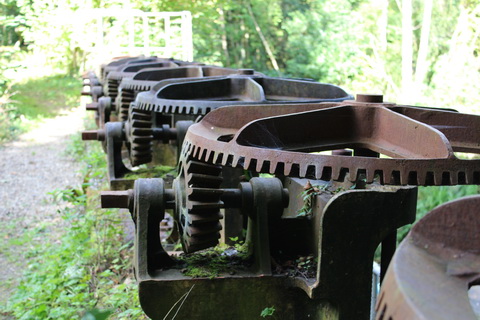
The power of the Shannon, falling 100 feet in 15 miles from Killaloe to Limerick, is nowadays tapped by the hydroelectric power station at Ardnacrusha. But in earlier times it did not go entirely unused. I have already written about the bleach mill at Doonass; here is a page about the other bleach mill, at Clareville, and about the water works in the same area. These works are on a stretch of the Shannon navigable only by cots (then) and kayaks and canoes (now).