Category Archives: Foreign parts

€200 million for the sheugh?

What does Chris Lyttle [Alliance Party MLA] know that I don’t?

On 16 June 2015 he submitted this written question [AQW 47282/11-15], to which he has yet to receive an answer:

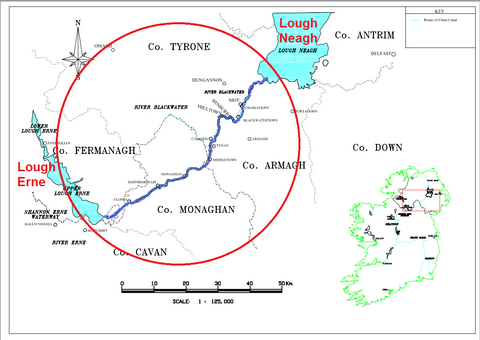
To ask the Minister of Culture, Arts and Leisure what consideration the Executive has given to supporting the Lagan Canal Trust objective of reopening the Lagan Canal from Belfast Harbour to Lough Neagh in light of the Irish Government’s approval of €200 million investment by Waterways Ireland in the Ulster Canal.

To the best of my knowledge, the WI “investment” is €2 million, not €200 million. But perhaps I’m missing something? If, Gentle Reader, you can explain Mr Lyttle’s figure, please leave a Comment below.

Given that the restoration of the Lagan would be quite as insane as that of the Clones Sheugh, it seems that the Alliance Party gets its economic ideas from the Shinners.


C&RT and waterways history

I mentioned earlier that Waterways Ireland intends to promote the collection, archiving and use of waterways oral history. Across the water, I gather that the Canal & River Trust is setting up a Canal Research Network:

Canal & River Trust is the charity entrusted with the care of 2,000 miles of waterways in England and Wales. Our canals are home to over 2,700 listed structures, 50 scheduled ancient monuments and five UNESCO world heritage sites. The National Waterways Museum in Ellesmere Port is home to the Waterways Archive, an internationally significant collection of historic records relating to Britain’s waterways and the people who built, used, and lived on and near them both within Britain and as connections to the sea and the world beyond.

We are keen to establish a scholarly research network for academics and researchers in other organisations to connect with the Canal & River Trust and with each other, sharing their research and finding opportunities for collaboration. The reach of our organisation and the quality of resources available means that there is real scope to develop meaningful, impactful projects together.

We would very much like to invite you to the inaugural meeting of the Canal Research Network at the Rolt Conference Centre at the National Waterways Museum on Wednesday 22nd July from 11am – 2pm. There will be an opportunity to hear about future plans for the museum and archive —  including a proposed collaborative doctoral award between Canal & River Trust and the University of Huddersfield. We are unable to cover travel
costs, but lunch will be provided.

RSVP john.benson@canalrivertrust.org.uk by Monday 13 July. Full details of the programme will be sent in due course.

Please feel free to pass this invitation on to colleagues in your organisation or elsewhere who may be interested in coming — please ask them to RSVP to the email above. And if you would like to be part of the network but cannot make that date, let us know and we will add you to the mailing list for future events.

With all best wishes
John Benson
Archivist
The Waterways Archive
National Waterways Museum
South Pier Road
Ellesmere Port
Cheshire
CH65 4FW
Tel: 0151 373 4378 […]

That reached me on the same day as the Railway & Canal Historical Society’s Journal Number 223, July 2015, which contains an article by Joseph Boughey “Waterways history research: progress, prospects, problems and limits”, in which he says

What is now needed, I submit, is a Waterways Study Centre (WSC), or rather two, one in physical form, one provided and accessed by electronic means. […] I would envisage that [the WSC] would need to be located in, or close to, an established archive of documents and other artefacts. (Given this, only one or two current locations seem appropriate, but ideally existing facilities could be expanded!)

WI and oral history

I learn from the Heritage Council that Waterways Ireland is seeking tenders for a pilot oral history project. The winner is to

  • Undertake a minimum of 3 interviews per waterway under our jurisdiction (see list above in Introduction). Any interviews relating to the Ulster Canal will be included as part of the Lough Erne Collection for the purposes of this pilot project. […] The interview questionnaire (to be agreed with Waterways Ireland) should endeavour to elicit material that adds to our existing archive, would be beneficial in our schools education programme and used in a broader promotion capacity.

  • Devise an oral history handbook for Waterways Ireland so staff members and community groups can advance this project in years to come.

  • Deliver training on best practices and guidelines in oral history interview skills and techniques. All training to be delivered in Waterways Ireland offices.

This is very interesting for several reasons. Let me get two quibbles out of the way first:

  • Why is the Clones Sheugh treated as part of the Erne? And why mention that specifically? What sensitivity is being addressed here?
  • Why is this tender not mentioned on WI’s Tenders page or the Current tenders page to which it links or anywhere else that the WI search engine can find?

I think there are four important points about this.

First, it is good that WI is devoting resources to the collection of oral history.

Second, it is good that it has applications in mind for the material: it may be used both in WI educational programmes and in marketing.

Third, the requirement for a training programme and a handbook is yet more evidence [on top of Éanna Rowe’s appointment to manage the Shannon] that the balance of skills required within Waterways Ireland nowadays is different from that of the past. While engineering will always be important, given the extent of the waterways infrastructure that has to be maintained, WI needs a higher proportion of people engaging with users, potential users and communities or devising product variants to attract such users. The marketing department can’t do all the work by itself.

Fourth, it is good that “community groups” as well as “staff members” will be able to use the oral history handbook. I hope that the term “community groups” won’t be interpreted too strictly — that individual amateur historians, for example, will be able to use the handbook — so that all waterways oral history can follow a common format, that the records are conserved properly and that the appropriate consents to the use of the material are collected at the time of the interview.

I should perhaps make a declaration of non-interest: I am much occupied with the waterways of the early nineteenth century but have not, so far, found any survivors from that time whom I could interview. But I might, perhaps, be allowed to express the hope that WI won’t altogether neglect such earlier history, about which there is much yet to be learned.


Mijn platte land

Saturday. Leave London 0730; on the Eurotunnel shuttle at 0950. In Calais, roll round to Majestic Wine, who pay for your Eurotunnel ticket if you have ordered £300 worth of wines.

Then east on the E40 towards Dunkirk, then south on the E42 towards Steenvoorde. On to the minor roads east and north-east. Surrounded by hop fields, you can see what Jacques Brel meant about “Mijn platte land, mijn Vlaanderland” [“My flat country, my Flanders“] in Marieke and “Mijn vlakke land/Le Plat Pays“. Good country for these things, though, and for more conventional pedal-powered vehicles.

On to the lovely little town of Poperinge for a splendid lunch at the outdoor tables of the Hotel Amfora. Hops with several of the dishes, including the eel, and a chance to try the grey shrimps, perhaps caught by mounted shrimp fishermen. An excellent range of beers for lunch, including the very refreshing Poperings Hommel Bier.

A short distance to the north is the Trappist Abbey of Saint Sixtus, home of the Westvleteren Brewery. If you’ve been lucky enough to be allowed to order some of their beer, you turn up at the appointed time and get your two crates, while looking disapprovingly at those who have not booked and are begging to be allowed to buy. They are turned away empty-handed but they — and you — can enjoy a glass of the beer at the café across the road.

Then back through Poperinge and, en route to the E42, a stop at Noel Cuvelier’s beer shop, which is just as it is described here. A phenomenal range, amazing value and lots of glasses. Fill any remaining space in your car, then head for Calais; back in London in less than twelve hours.

Waterways? The road crosses some ….

Please don’t look at these photos

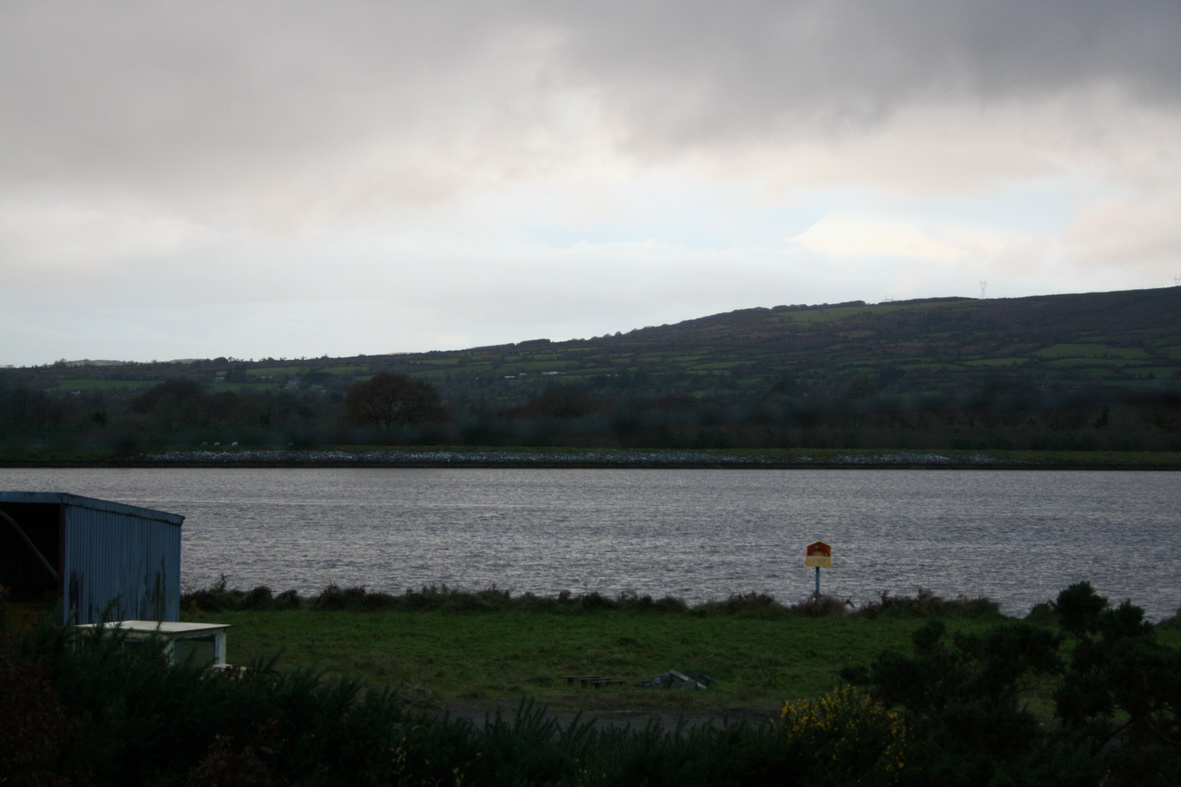
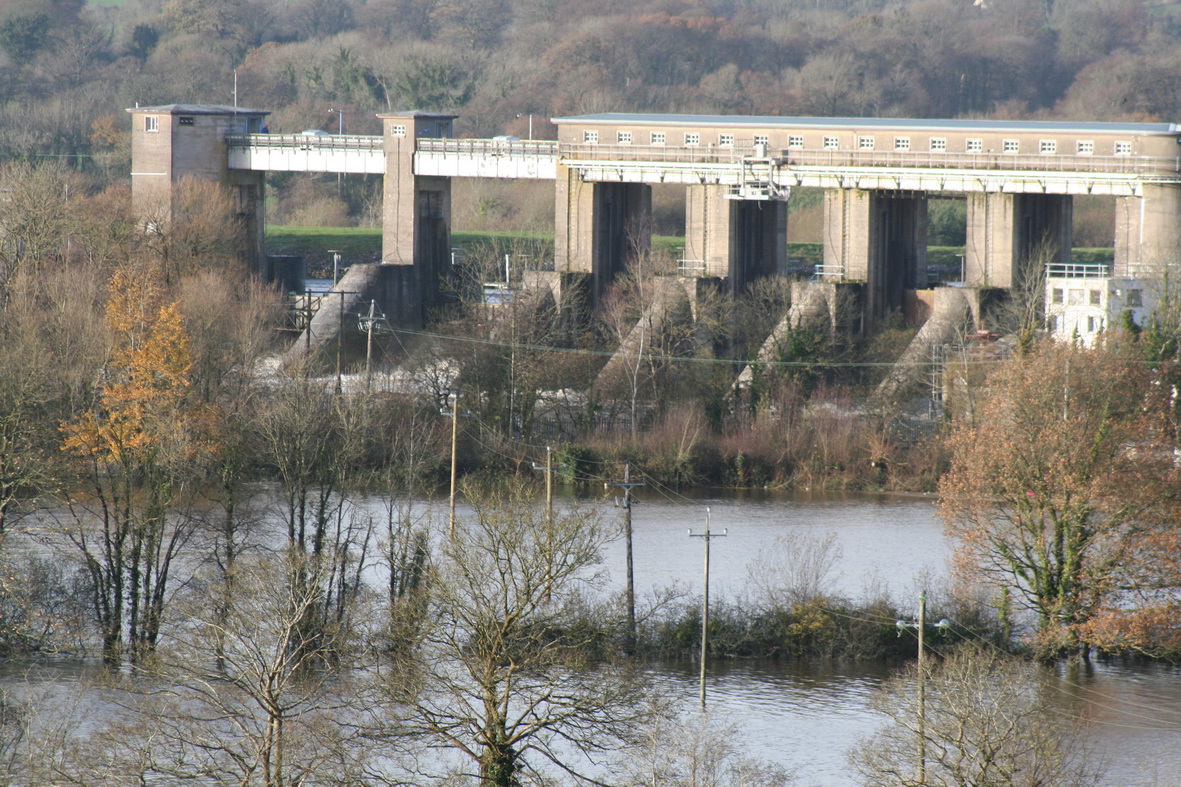
I regret to say that I have published, on these pages, several photos of the Shannon, Parteen Villa Weir, Ardnacrusha hydroelectric power station and its headrace and tailrace canals.

The storage basin between the road bridge over the River Shannon at Killaloe and the weir and canal intake at Parteen, including the right and left embankments constructed to form the said storage basin, together with the land outside and along the said right embankment delimited and separated from the adjoining land by post and wire fencing and also the land outside and, along the said left embankment delimited by the left bank of the Kilmastulla River Diversion.
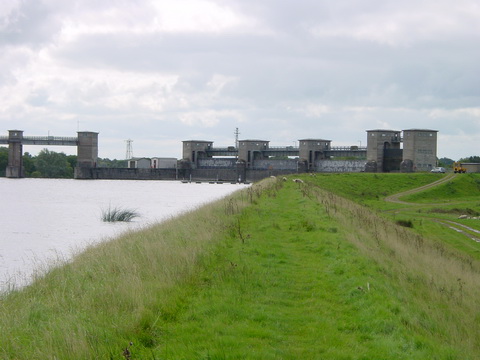
Parteen Villa Weir from the embankment upstream (2008)
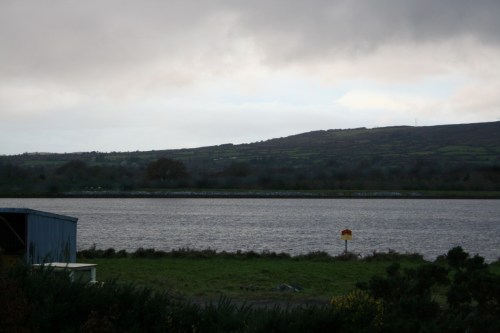
Parteen Villa Weir from the embankment upstream (2008)

The flooded area above Parteen Villa Weir

The flooded area above Parteen Villa Weir

The weir and canal intake, the embankments constructed to form abutments to the said intakes, the syphon under the said canal intake, and adjoining lands inside and bounded by post and wire fencing.
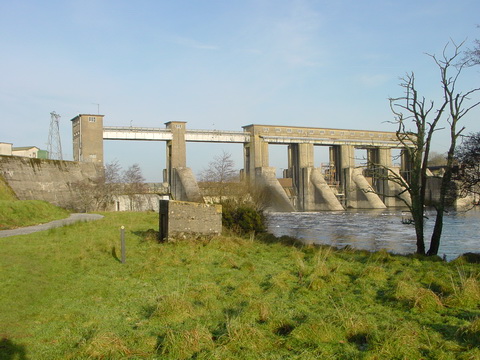
Parteen Villa Weir
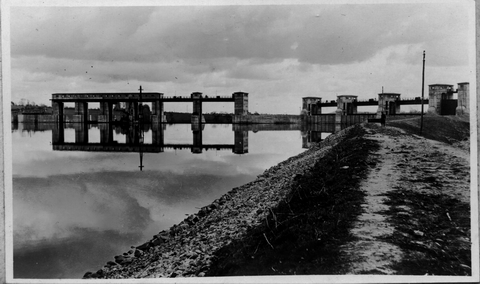
Parteen Villa Weir

Parteen Villa Weir from upstream
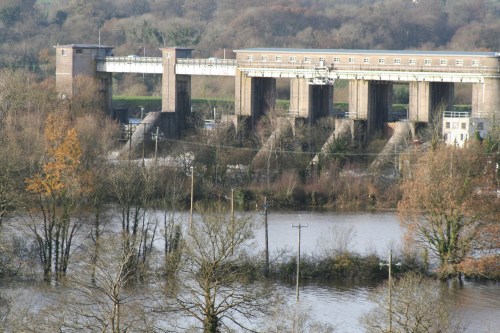
Parteen Villa Weir from upstream

The six sluices controlling discharges down the old course of the river

The six sluices controlling discharges down the old course of the river

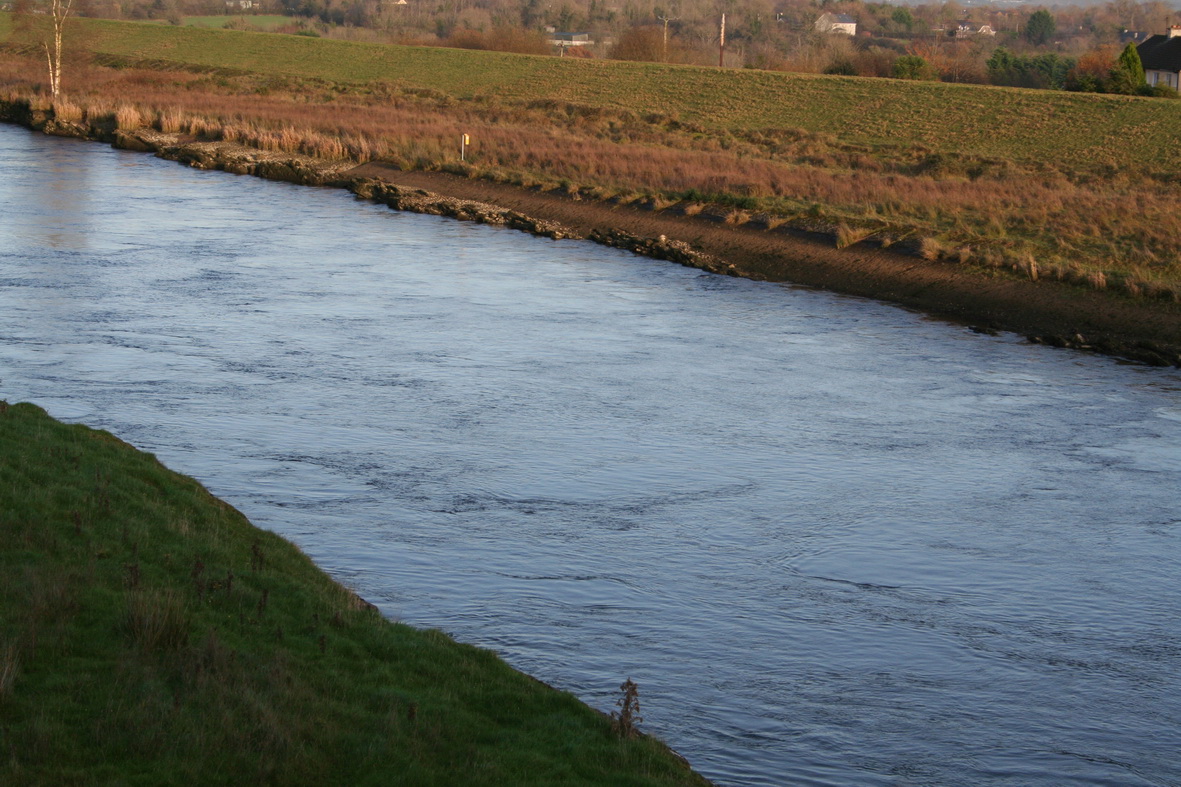
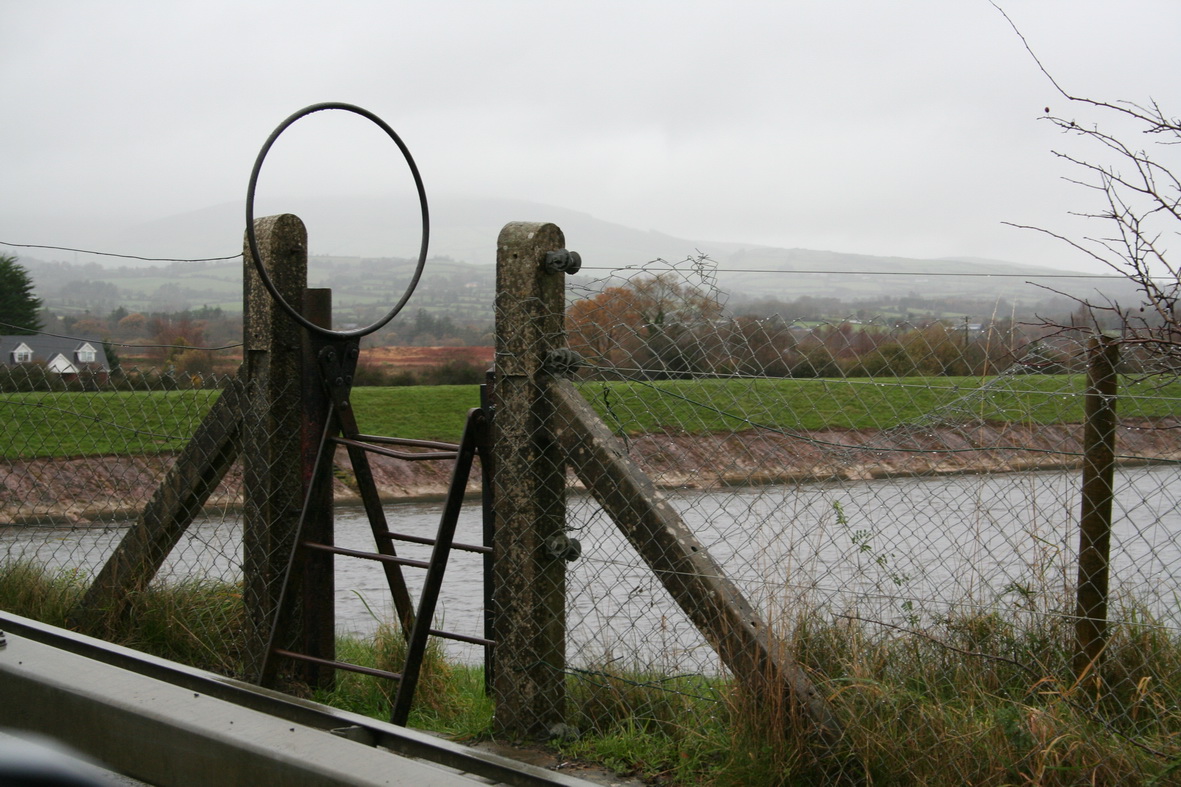
The head race between the canal intake and the power station including the right and left embankments constructed to form the said head race, together with the land outside and along the said embankments delimited and separated from the adjoining land by post and wire fencing, and also the road bridges over and the syphons and culverts under the said race.
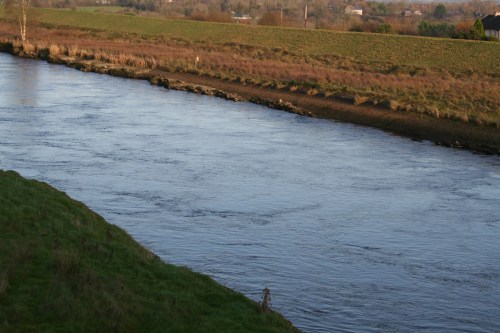
The headrace from the bridge at Clonlara 20 November 2009
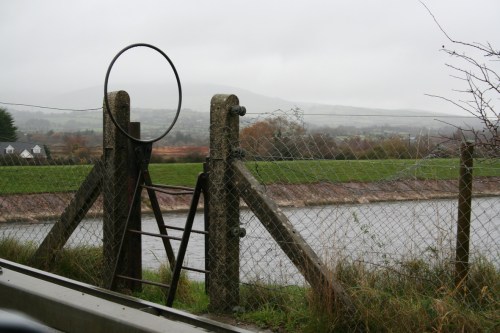
The headrace from the bridge at Clonlara 20 November 2009

The headrace from the bridge at O'Briensbridge 22 November 2009

The headrace from the bridge at O’Briensbridge 22 November 2009

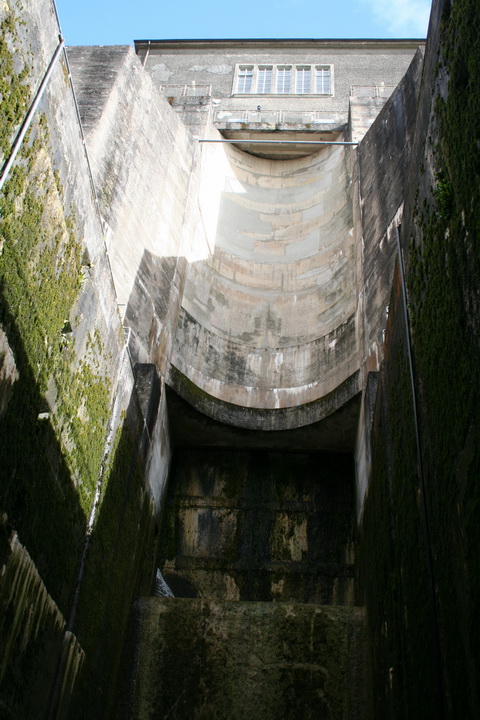
The power station, the intake to the said power station, the locks and all adjoining buildings and land within the area around the said power station, all of which are delimited and separated from the adjoining land by post and wire fencing.
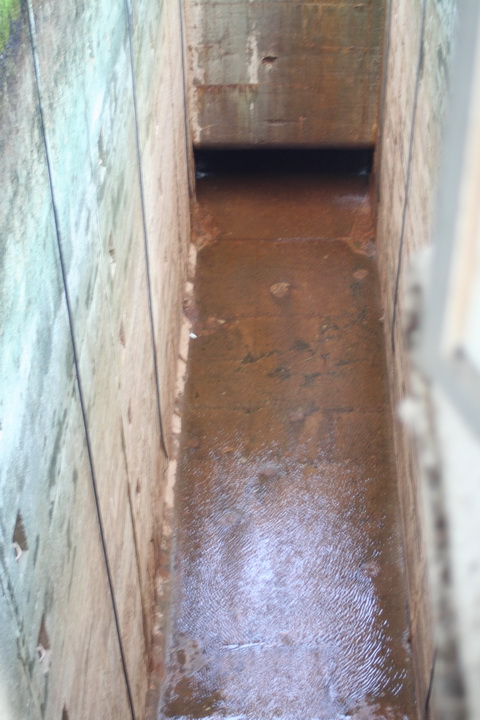
The upper chamber at Ardnacrusha lock
The upper chamber at Ardnacrusha lock

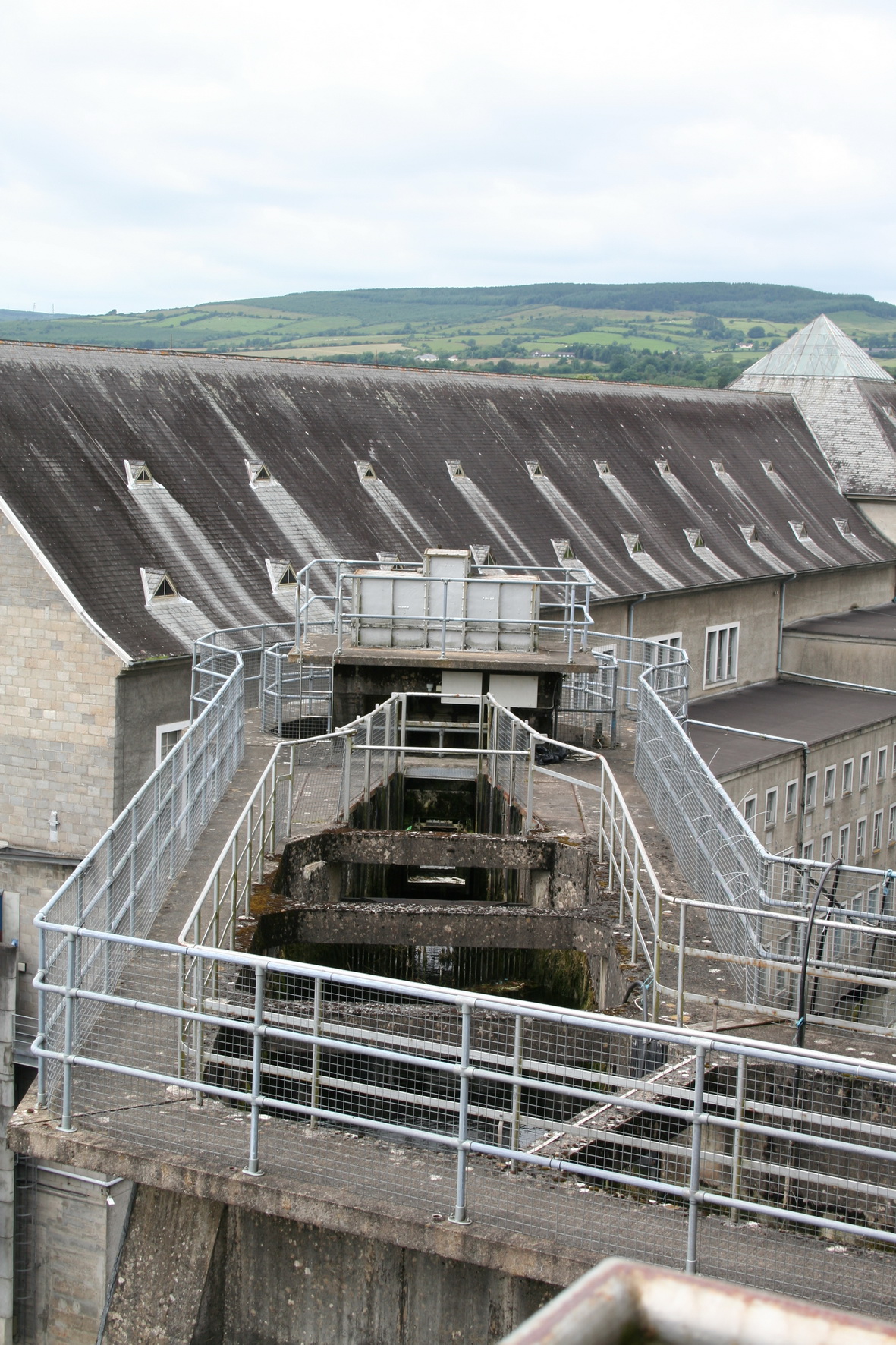
Ardnacrusha: looking up at the top chamber from the bottom
Ardnacrusha: looking up at the top chamber from the bottom

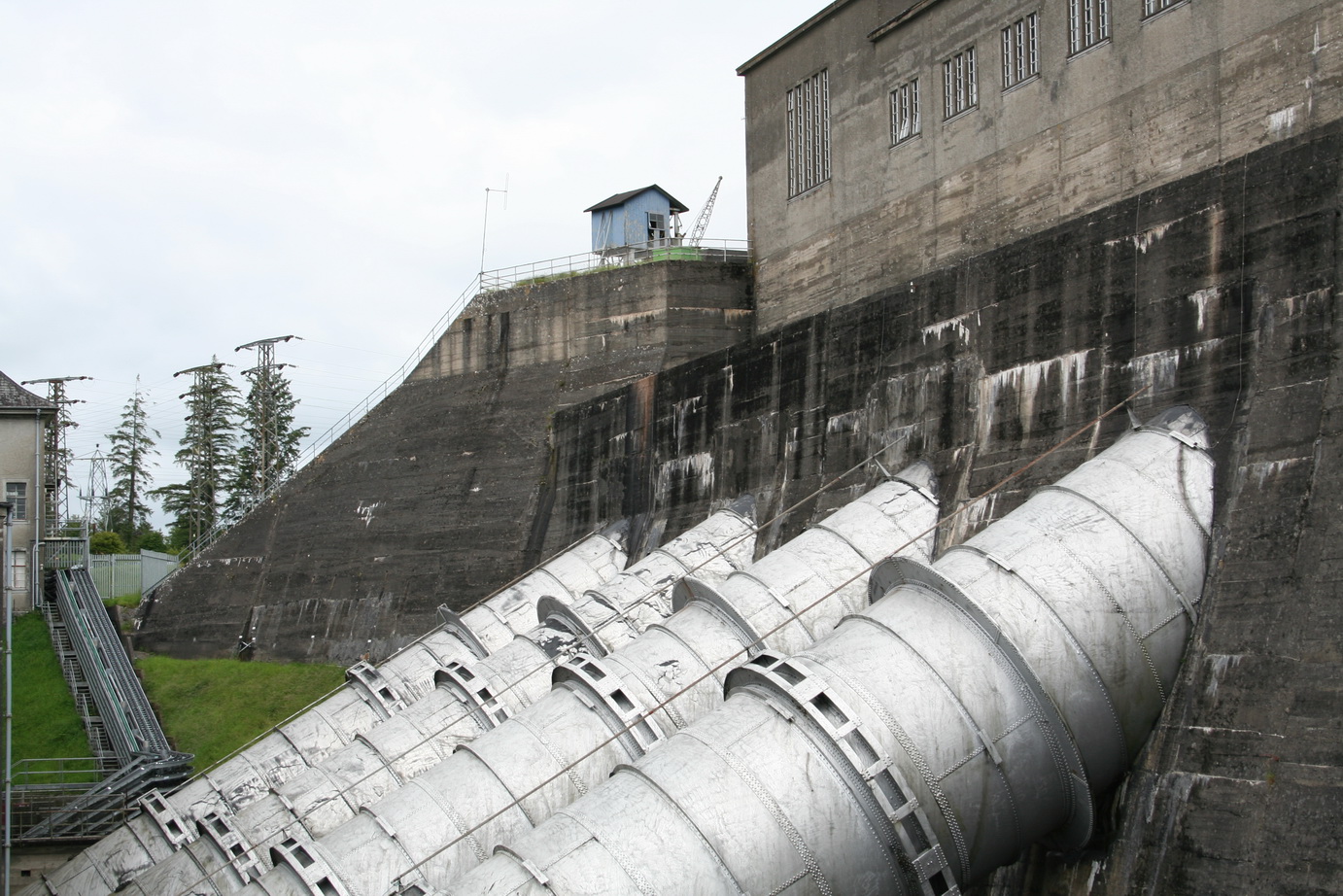
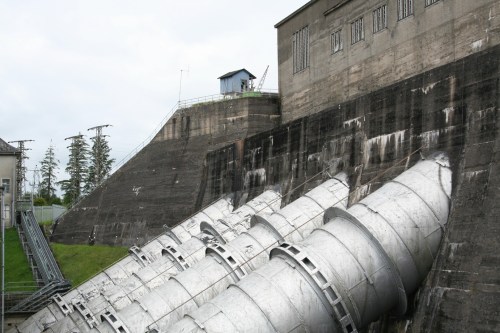
The penstocks that feed the turbines at Ardnacrusha
The penstocks that feed the turbines at Ardnacrusha

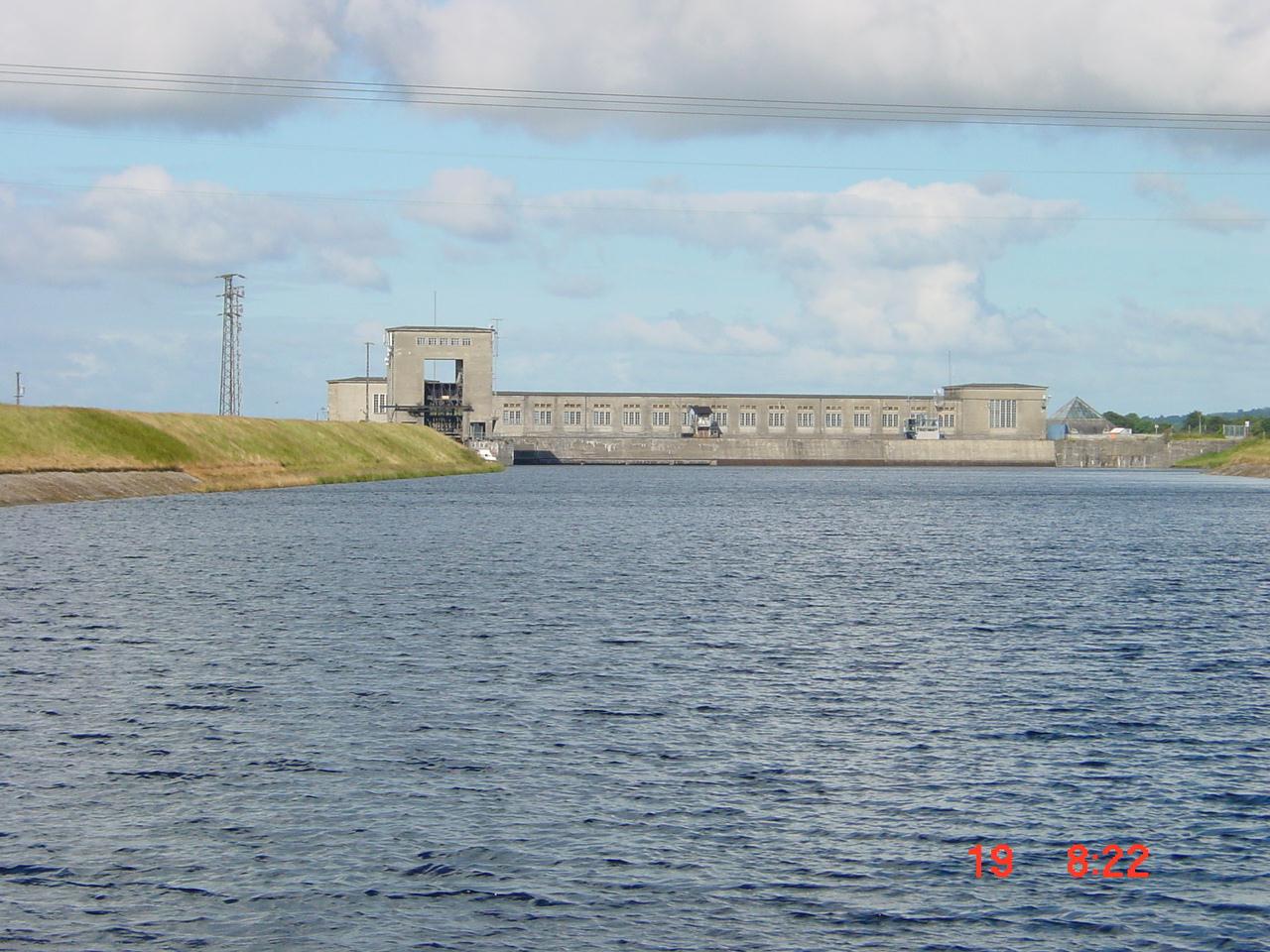
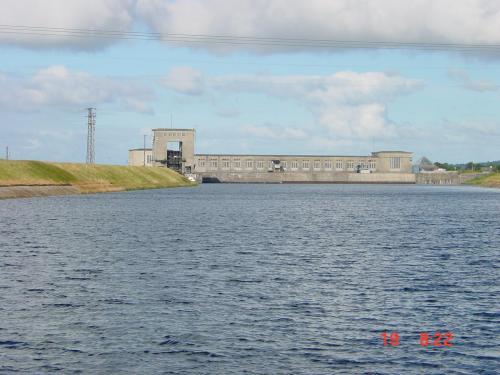
Ardnacrusha power station from the headrace
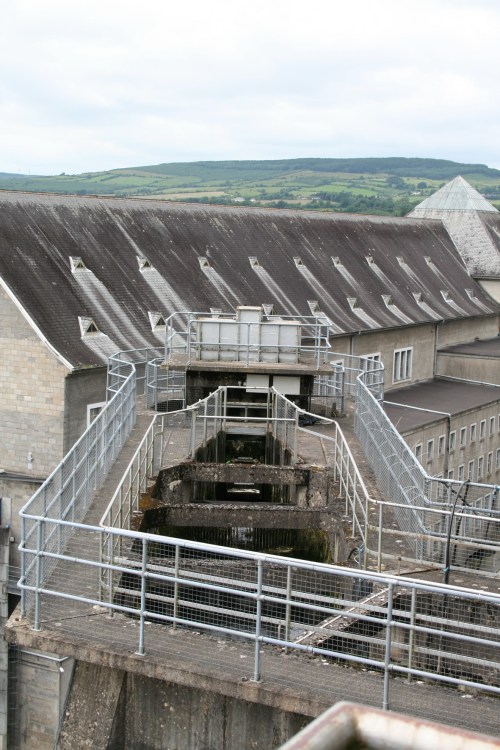
Ardnacrusha power station from the headrace

The fishpass

The fishpass

The tail race from the power station to the River Shannon, the branch railway running along the said tail race, and the land on either side of the said tail race, all of which are delimited and separated from the adjoining land by post and wire fencing.
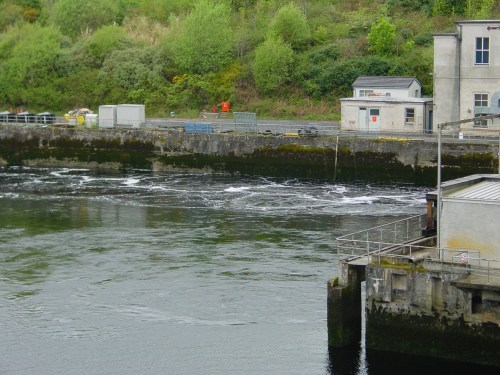
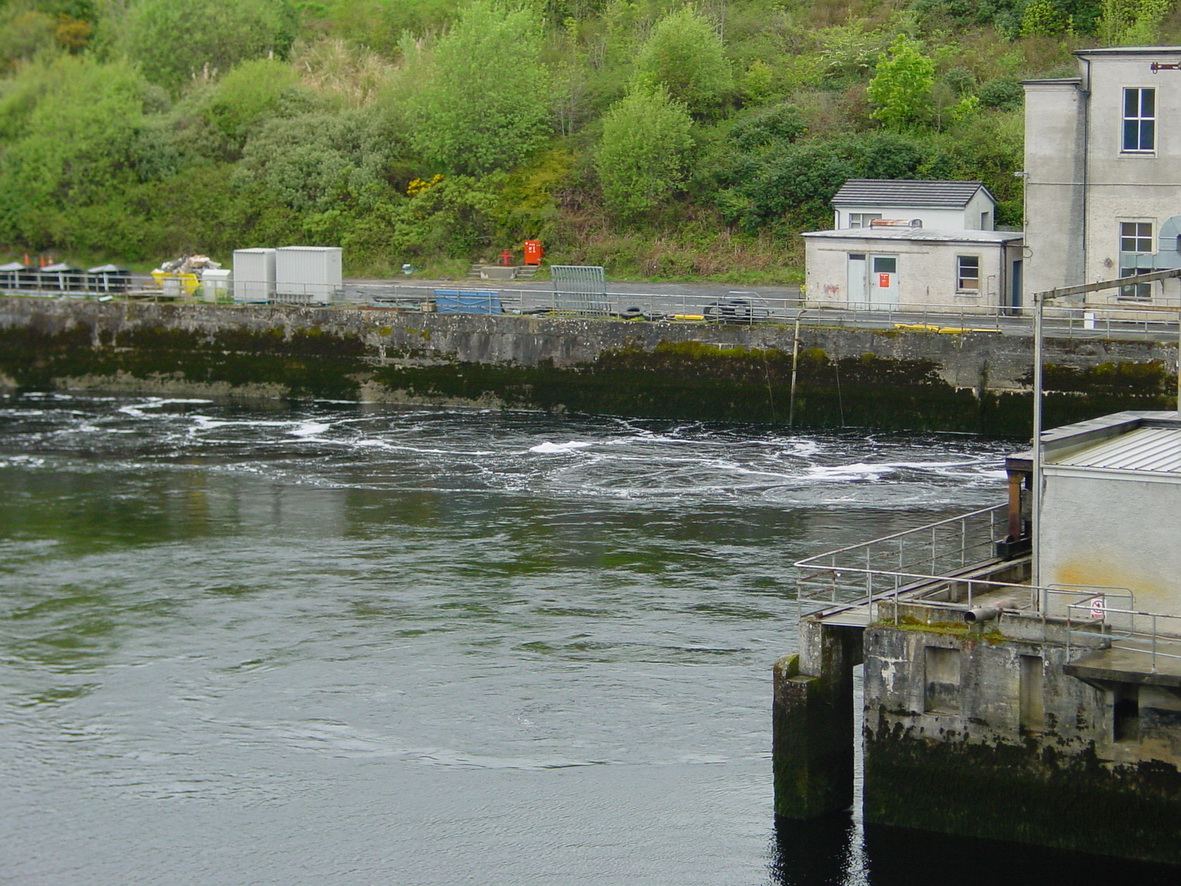
Outflow

Outflow

And I have lots more photos … here and here and here, which I ask readers not to look at either.

You see the thing is, Your Honour, Sir, I didn’t know. I didn’t realise that, under Statutory Instrument 73 of 1935 Shannon Electricity Works (Declaration of Prohibited Place) Order 1935, the places as described are prohibited places under paragraph (d) of Section 3 of the Official Secrets Act 1911, as amended by the Official Secrets Act 1920, and as adapted by or under the Adaptation of Enactments Act 1922 (No 2 of 1922). That’s because

information with respect thereto, or the destruction or obstruction thereof, or interference therewith, would be useful to an enemy.

Apparently, under those acts, giving anyone information about a prohibited place is a felony, punishable by imprisonment for up to fourteen years.

Wikipedia says that, in Ireland, those acts were repealed by the Official Secrets Act 1963, but was the statutory instrument repealed? I don’t know, but I’ve written to the Department of Justice to ask.

In the meantime, please don’t look at the photos, especially if you’re a Foreign Agent: a term that, under the 1963 act,

includes any person who is or has been or is reasonably suspected of being or having been employed by a foreign power either directly or indirectly for the purpose of committing an act (whether within or outside the State) prejudicial to the safety or preservation of the State, or who has or is reasonably suspected of having (whether within or outside the State) committed or attempted to commit any such act.

I wonder whether that includes the European Central Bank.

Bloody Fianna Fáil …

… obviously didn’t get the memo. [They didn’t get the marriage equality memo either, thus losing one of their better people — who needs to update the banner under her photos.] But a nos moutons ….

According to Northern Sound, Monaghan County Council wants the Monaghan Minister for Fairytales, Heather Humphreys, to meet her Northern Ireland counterpart, the Minister for Marching Bands [and boxing clubs, football stadiums and various other things about which MLAs ask questions: they’re as bad as TDs], to do something about the Clones Sheugh.

I suspect this means that FF, and perhaps the citizens of Monaghan, have realised that, despite the Momentous Day on the Ulster Canal [oops: sorry; not that one, this one], the Clones Sheugh has been hijacked by Co Cavan and is not actually going to reach Co Monaghan in the foreseeable future [which means until the next round of election promises].

As far as I can see, the deal was that Sinn Féin would shut up about the Sheugh provided that they got photos of activity before the UKoGB&NI general election. By nicking the money from other navigations in WI’s budget, the Minister for Fairytales was able to deliver the photos. And, as far as Google Alerts can tell, there hasn’t been a word about the Sheugh from the Shinners, north or south, since then. Of course I could be wrong about the deal and, if both departments will send me their full files on the subject, I’ll be happy to use that evidence to correct the story.

Now, though, a Fianna Fáil councillor in Monaghan has

… put forward the motion requesting the Ministers to meet to advance the project and asking Sinn Féin and Fine Gael members of the council to arrange the meeting urgently.

I don’t suppose he’d be trying to embarrass the parties that made the deal, would he? [If they did make a deal, of course, which they may not have, but we won’t know until the departments send on their files.]

SF has 7 members on Monaghan County Council, FG 5, FF 4 and there are two non-party members.

Speaking of parties, or their aftermath, a thought struck me:

Ulster Canal 01 whole_resize

Fianna Fáil’s original conception for the Sheugh: bold, upstanding, thrusting …

Ulster Canal 04 whole_resize

The current plan: brewer’s droop


Interesting info from Waterways Ireland

Two interesting PDF documents available on this page:

No mention of Saunderson’s Sheugh, but I suppose dredging of the River Finn is proceeding.

Re-invention or re-creation?

I realise that many folk visit this website in order to find out what is hip and trendy, cool and with-it, in all sorts of fields, from beer to boating, casual dining to cost-benefit analysis. So, in order to keep readers down wid da kidz in da hood [as the young folk say], I’ve been checking out the latest, baddest [which means ‘goodest’, I gather, or what in the old days we would have called ‘best’], grooviest developments on tinterweb. It’s a thing called FaceTweet, and those cool dudes at Waterways Ireland have one of them. Hep to the jive, daddy-o [which means ‘How perfectly splendid, old boy’.]

As far as I can see, FaceTweet is in general intended for folk whose attention span renders them unable to read more than a single paragraph of continuous prose. But brevity is sometimes the soul of wit and good goods come in small parcels [sentiments for whose veracity I have not found peer-reviewed evidence]. And I was interested in Waterways Ireland’s self-description on the page:

Waterways Ireland is the Recreation Authority for over 1000km of Ireland’s Inland navigable waterways.

That phrase, Recreation Authority, does not occur in Waterways Ireland’s Business Plan 2015 [as approved by the North South Ministerial Council on 18 December 2014 and screwed up by the Council shortly afterwards] or in its Corporate Plan 2014–2016 [ditto]. Nor, according to its own search engine, is the phrase used on Waterways Ireland’s proper website [the search engine rather bafflingly reports “We don’t have any refiners to show you”].

Yet the concept of Waterways Ireland as a Recreation Authority is almost entirely in tune with the thinking underlying both of the plans and it is the neatest encapsulation I have yet seen of what WI is about.

I put in ‘almost’ there because the Corporate Plan‘s Executive Summary includes this:

Central to our vision for the future is the development of recreational, heritage and environmental opportunities that link people, history and nature, providing both local communities and visitors with compelling reasons to spend more time in the waterways environment.

While I’m all — well, somewhat — in favour of heritage and environment, the words seem to sit uneasily in that sentence: added as a form of ritual obeisance to the shade of Michael D Higgins, who ripped the rivers and canals from the sheltering embrace of the Office of Public Works engineers and proclaimed the waterways to be heritage artefacts. Heritage is no longer of great interest to TPTB and most people’s experience of it [whatever it is] is as entertainment or recreation; much the same applies to environment, which — for most people — is of interest only as providing a scenic background for more interesting activities.

So both heritage and environment can be subsumed under the heading of recreation, leaving Waterways Ireland with a neat, well-focused description of itself, a subheading for its title, and one that matches its Mission and Vision.

Mind you, it’s not entirely clear what a recreation authority is — Google finds relatively few [129000] instances of the term’s use, most of them in the Americas — but that might be no harm.

Waterways Ireland — the recreation authority

Hep to the jive, daddy-o: I like it.


Riverfest in Limerick

Riverfest is an annual, er, happening in Limerick. I don’t know much about it: I’ve never been because I dislike both crowds and festivals and it would take something remarkably interesting to outweigh my dislike and persuade me to attend any part of the thing. I took notice of this year’s event only because I wanted to find out what streets would be closed to traffic; the festival organisers did not, alas, think to provide a map showing the closures.

I have only two other comments on the event:

  • the brochure [PDF] mentions a workshop called “Craft a River” but doesn’t say what, or indeed where, it is
  • in a city whose history is so intertwined with that of the food industry, and which has, in the Milk Market, the best Irish market outside Cork, it seems ludicrous to import a “continental market” instead of showcasing local producers.

But I acknowledge that I am not really entitled to comment; Brian Leddin, on the other hand, has a better informed view.

Hurrah for the red, white and orange

Colour discrimination seems to be rampant in Ireland. Of the sets of colours [red, white and blue] and [green, white and orange], there is Official Endorsement of two, green and blue, while red, white and orange are ignored. Even the North/South Ministerial Council has got in on the act, with a whole page on its website about greenways and blueways. They must have been overdosing on the Erne flag. Their page is a list of links, sort of plonked there without context or explanation, but there’s probably some hands-across-the-borderism or something going on.

I read in the Guardian today of a proposal for a greenway on the former railway line between Roscrea and Portumna via Birr. And a jolly good thing too, but how many greenways and blueways can one small island accommodate? How thinly will the tourists be spread? And what about those of us who hate walking, cycling, kayaking and other such energetic pursuits?