If you happen to be driving across southern England and Wales — say from Fishguard or Pembroke to London — and you want a break, you could turn off the M4 or M48 and drive to the Purton ships’ graveyard in Gloucestershire. It’s roughly 25 miles, 35 minutes, each way: a two-hour break will give you an hour on site — and take you a world away from the busy motorways.
Purton gives you two waterways for the price of one: the Severn estuary and the Gloucester and Sharpness Canal, which bypasses part of the estuary.
The estuary
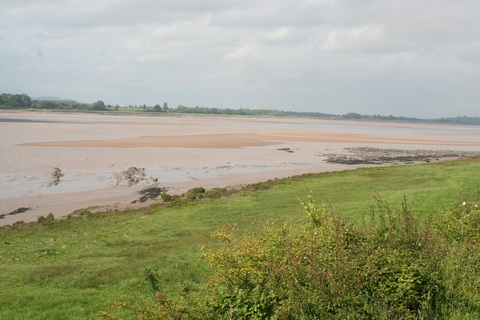
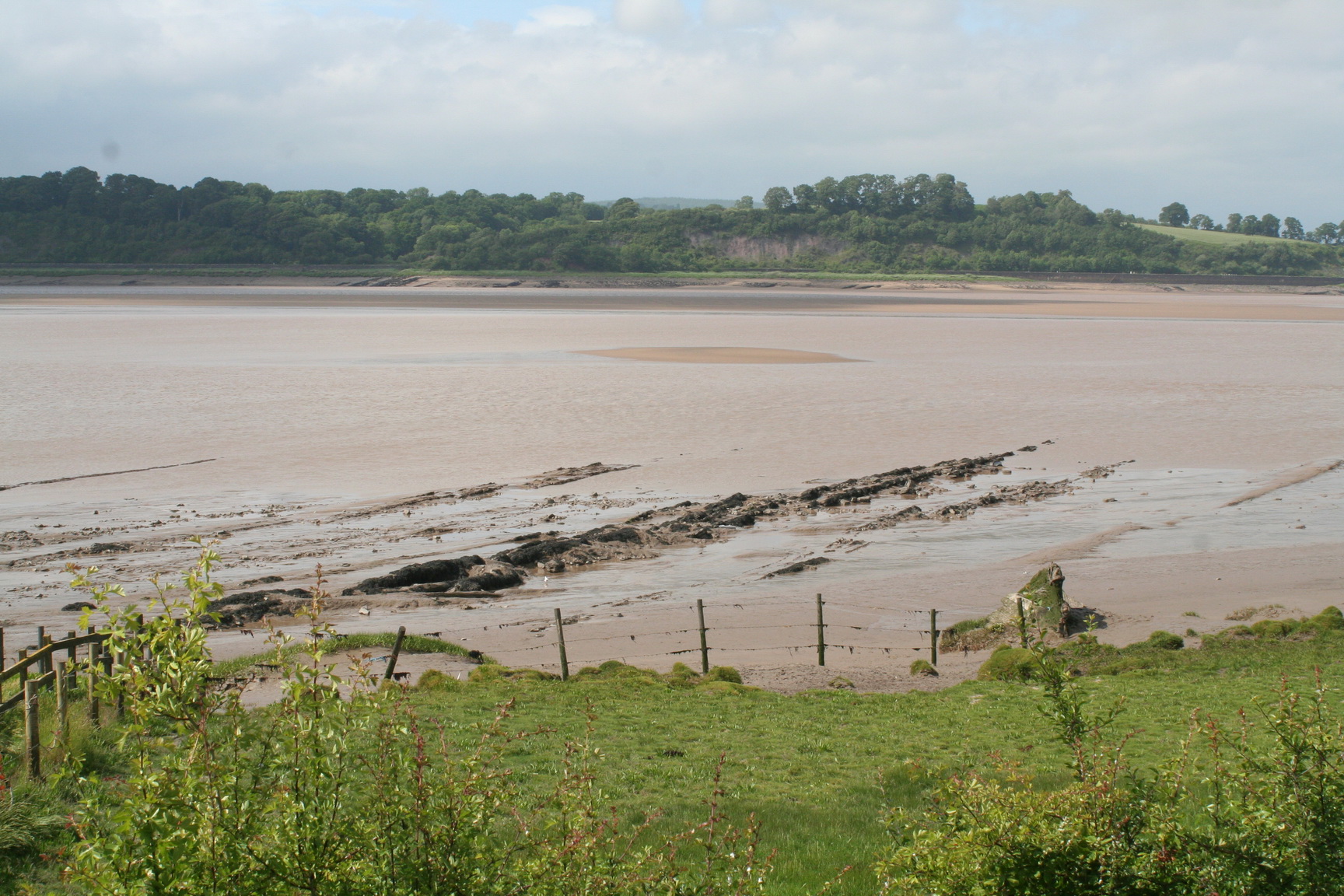
Big estuaries — including the Shannon and the Suir — always give a sense of space, with big open skies, but somehow the Severn looks even bigger when the tide goes so far out.

The long and level sands stretch far away

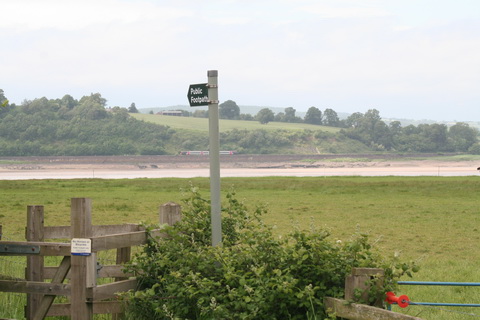
Note the train on the far bank, behind the signpost
Incidentally, the west bank too seems to have a place called Purton, if Messrs Google’s map is to be believed.
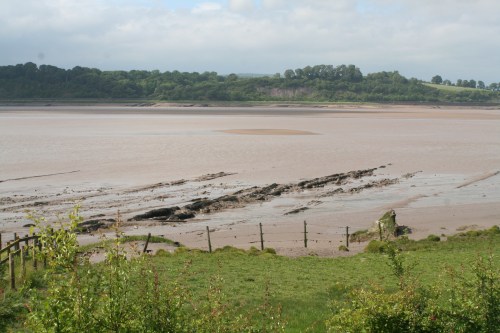
Drawing a line in the sand
The canal
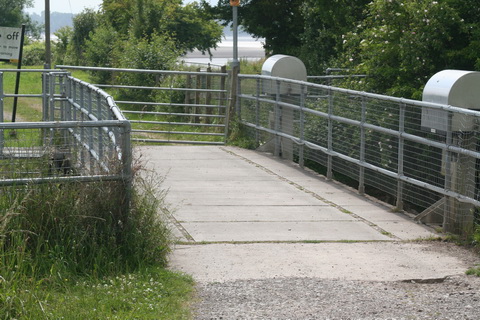
Purton has two of the Gloucester and Sharpness Canal‘s swing bridges, a weir and other interesting features.
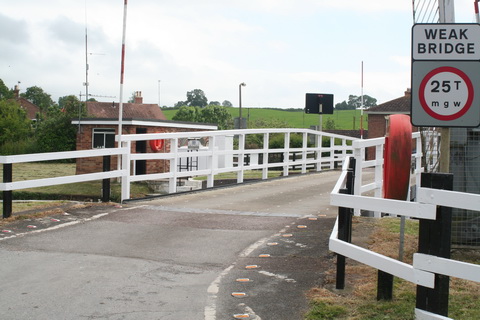
Purton lower bridge
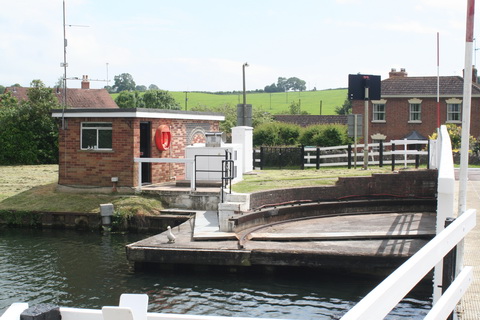
Purton lower bridge control room. The keeper operates both bridges
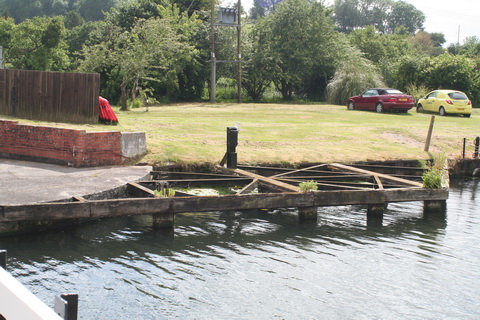
Swinging room
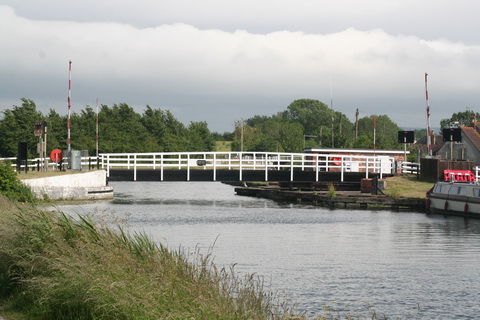
Purton lower bridge from downstream

Purton upper bridge
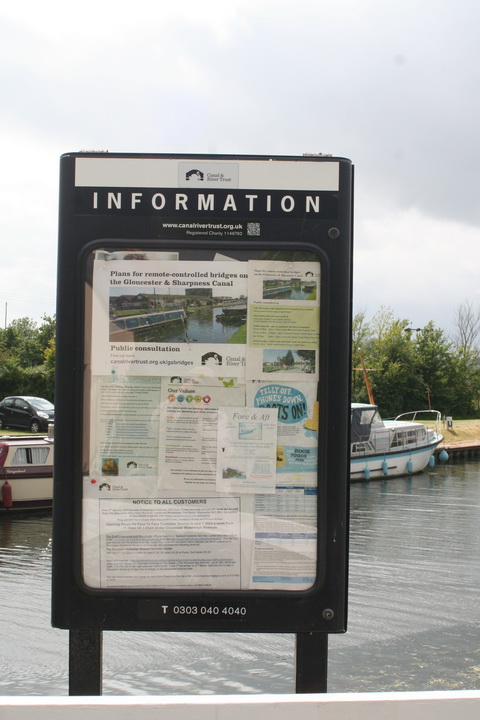
Information board beside the lower bridge
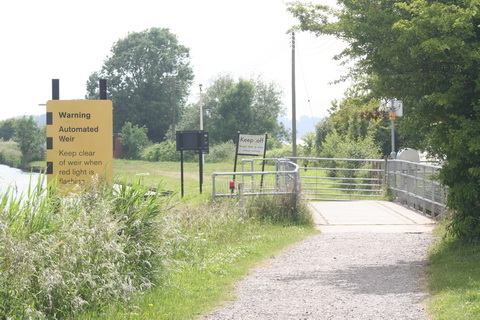
Purton weir

Weir bridge and sluices

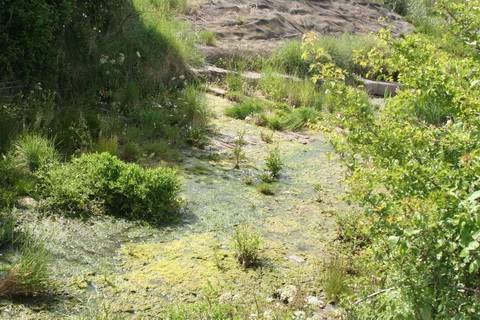
Weir inflow

Weir sluices

Weir outfall
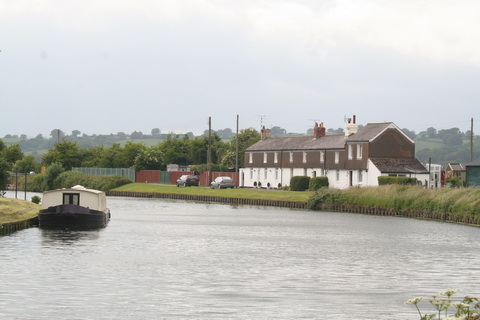
Canalside cottages (all occupied)
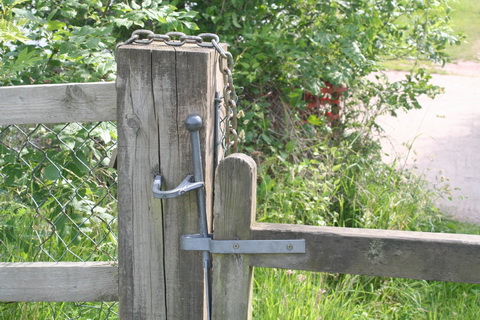
One of several designs of self-closing gate

Pontoon

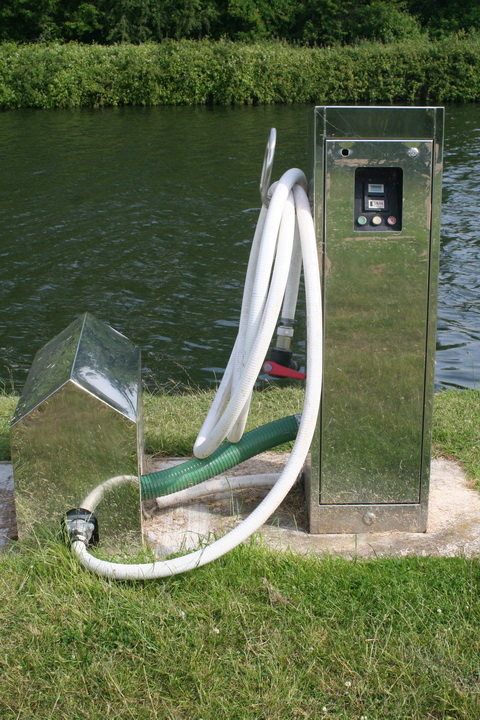
Pumpout
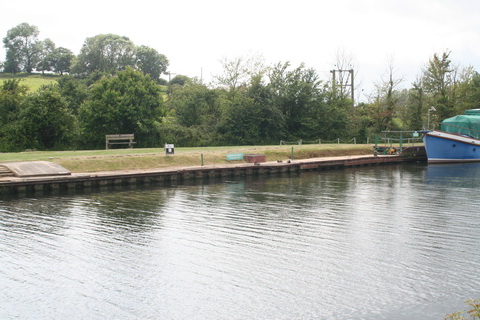
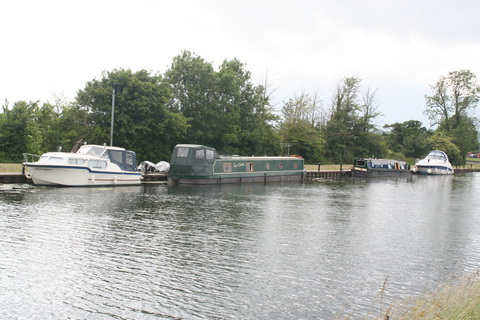
Moorings
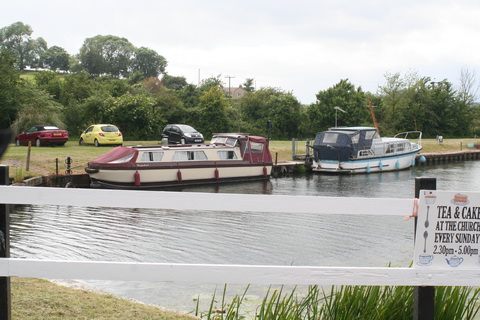
Boats 1

Boats 2
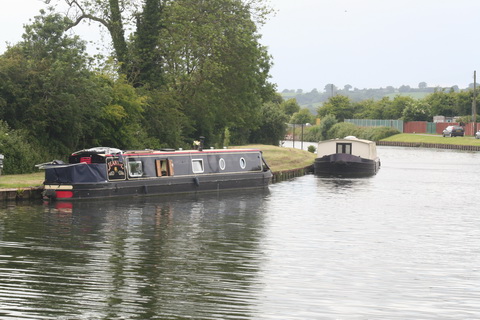
Boats 3
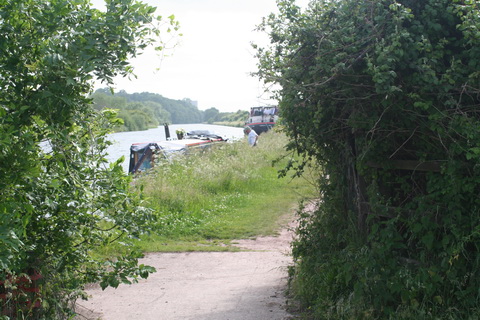
Boats 4
The hulks
The hulls of old vessels were used to shore up the embankment, between canal and river, at Purton. [This practice was also used in Ireland, on both the Barrow and the Suir, but not on anything like the same scale.] The result was the creation of a boat or ship graveyard that preserved, and makes reasonably accessible, the hulls or frames or at least parts of a large number of inland, estuarial and coastal vessels. And some of them are vessels that traded with Ireland.
The Friends of Purton have an informative website here; please also read their page about access here. I can confirm that parking is restricted on the site; it would be easy to annoy the local people by careless parking.
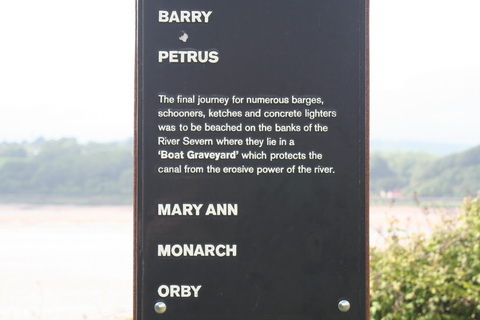
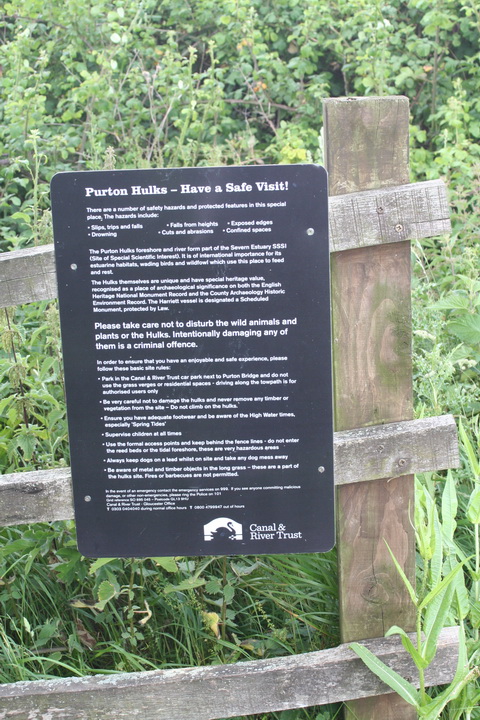
Good information is provided on site.

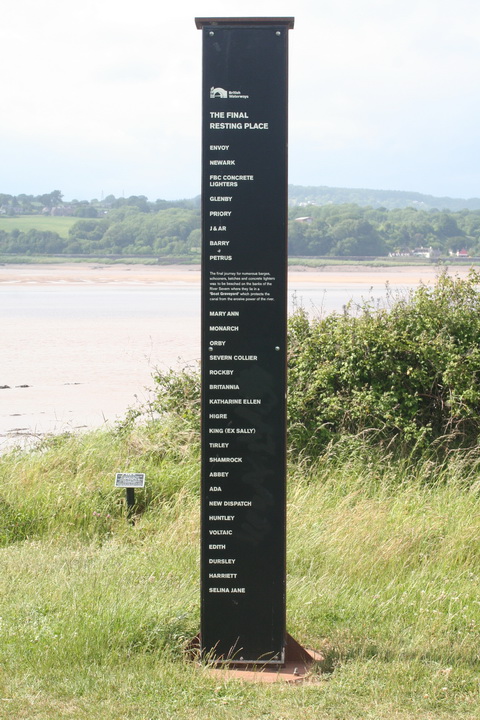
Information board

Memorial

Close-up

Advice

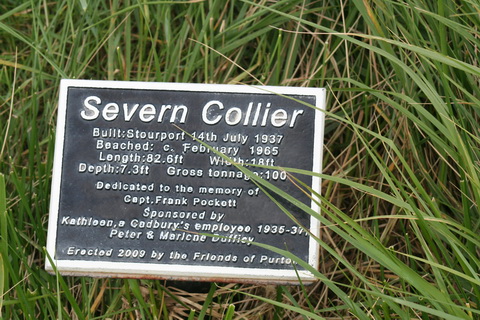
All identified wrecks have plaques like this
I had allowed an hour for my visit, but didn’t see everything; it would have been easy to spend twice as much time there. In the summer, growth hid a few of the artefacts, but there was plenty to see without trampling on the shrubbery.
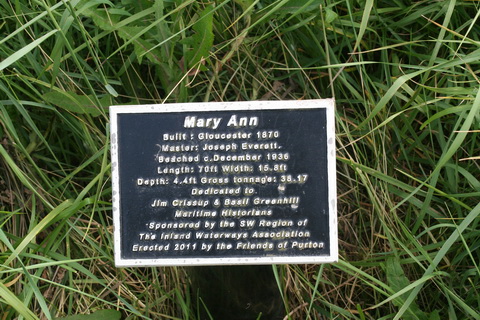
The Mary Ann …

… is in there somewhere
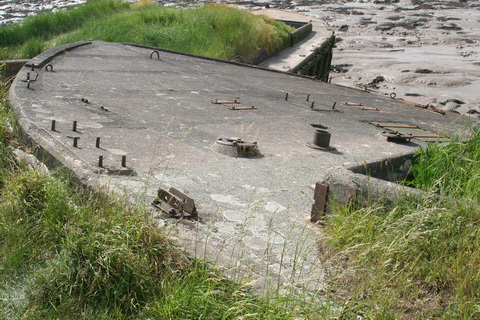
There are quite a few concrete (ferrocement) barges, built during the Second World War.
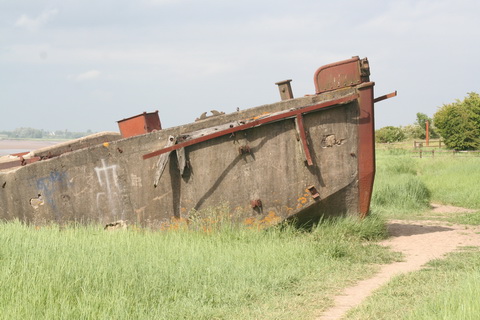
Up close

Bows on

Information plaque

Stacked up
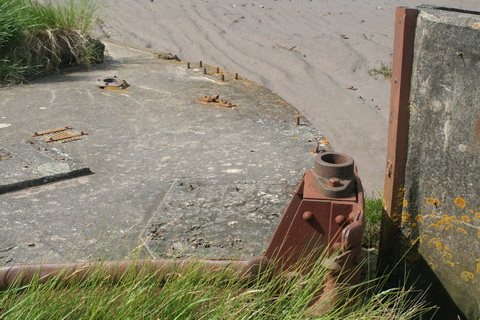
Deck details

Merging into the bank
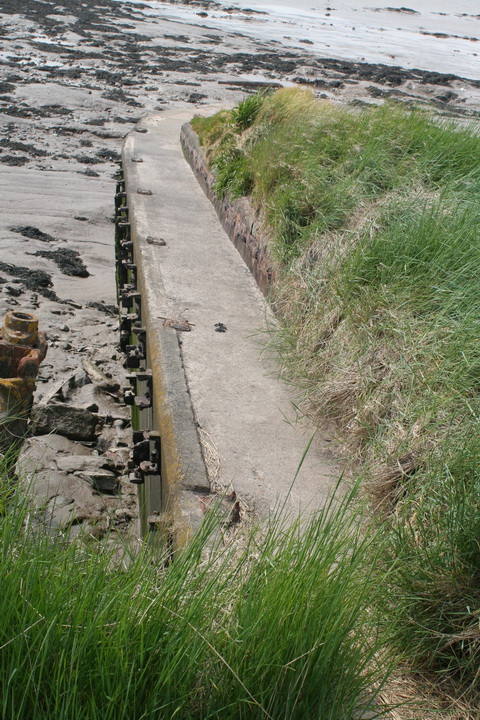
One side
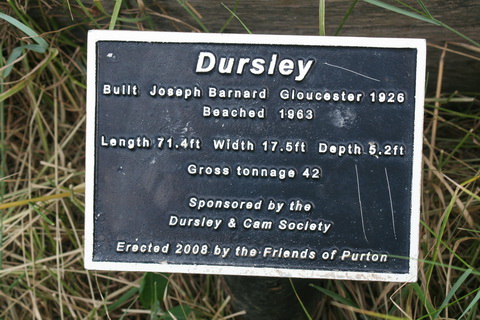
Of the other vessels, the Dursley is apparently in reasonable condition but, on my visit, was largely hidden in the grass.

Dursley plaque
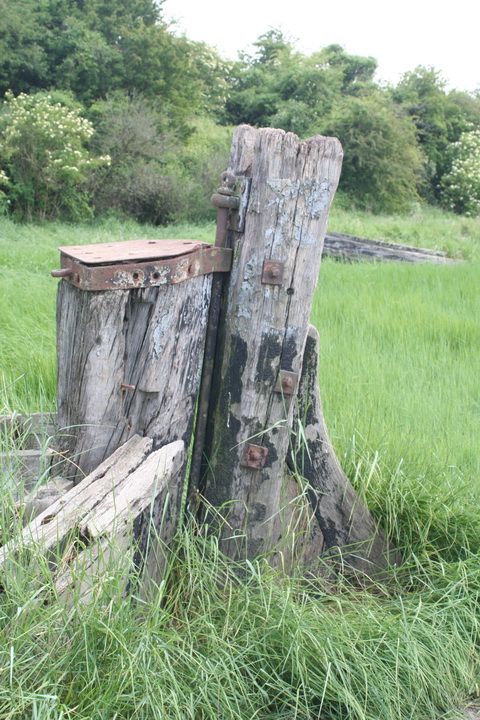
Dursley sternpost and rudder
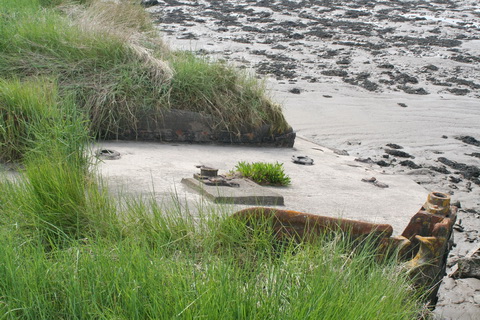
The same was true of the Katherine [or Catherine] Ellen, built in Dungarvan.
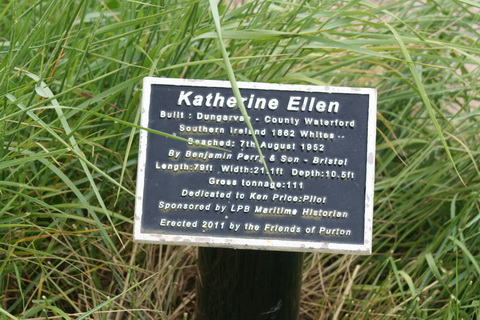
Katherine Ellen plaque
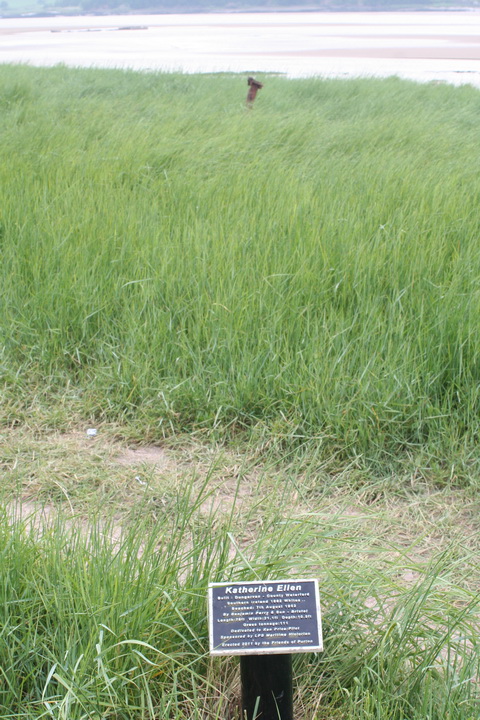
Katherine Ellen site
I failed to find the Jonadab, a Severn trow that traded to the (Munster) Blackwater, but I did see the remains of the Scottish-built Dispatch, which is amongst the vessels listed by Niall O’Brien as having visited the Munster Blackwater [Blackwater and Bride: navigation and trade 7000BC to 2007, Niall O’Brien Publishing, Ballyduff Upper, 2008].
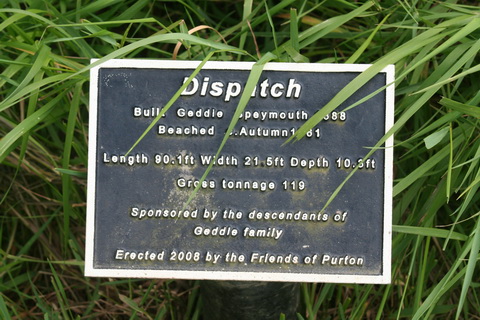
Dispatch plaque
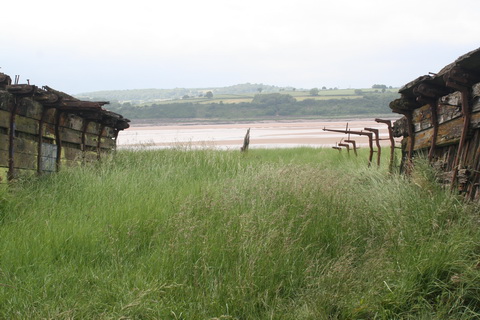
Dispatch hull
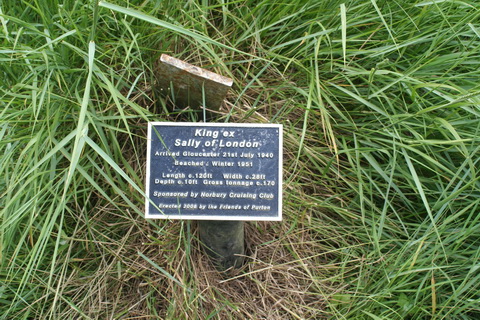
Then there were the dramatic remains of Sally, renamed King, of London.

Sally plaque
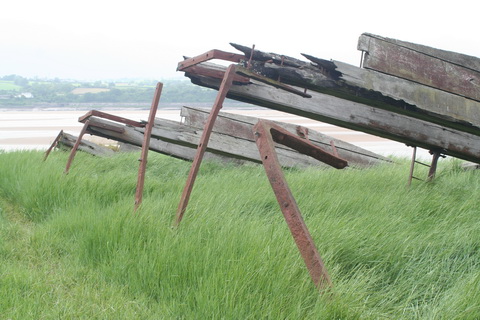
Sally remains 1
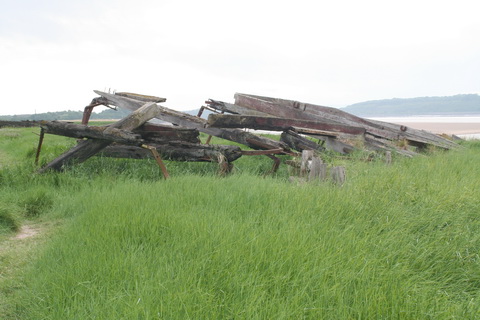
Sally remains 2
And many more. Even isolated timbers or iron ribs had their interest. But let me finish with a wreck that is not on the embankment but just offshore.
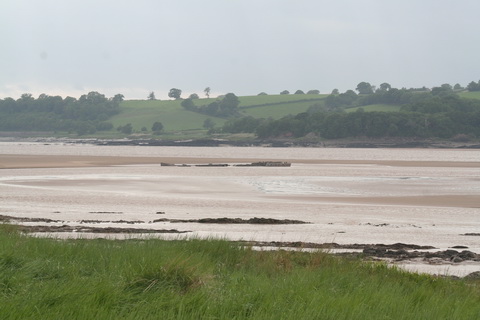
Tanker offshore
You can read about the loss of the tankers Arkendale H and Wastdale H here and here. They are remembered on a plaque at the site.
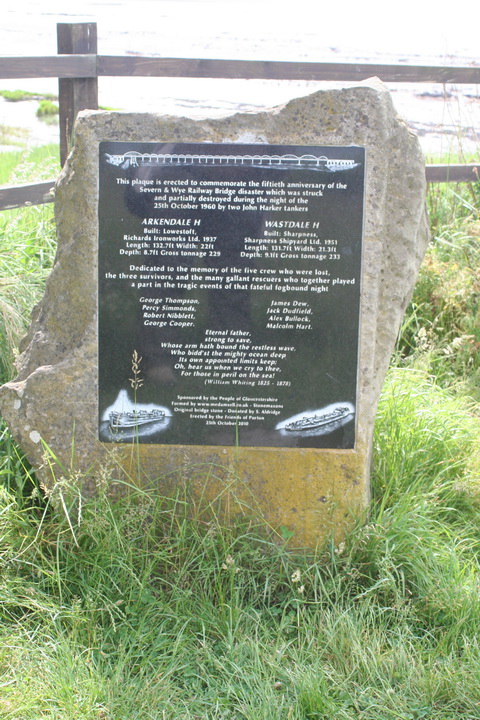
Plaque about the tankers
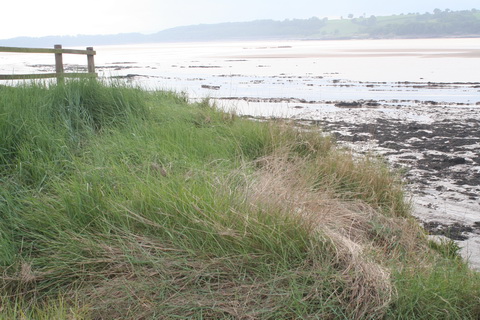
I don’t know which of the tankers is shown in my photos
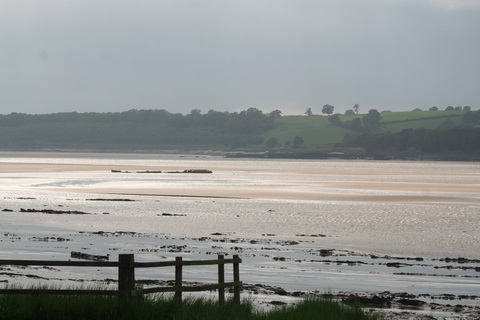
The wreck is a reminder of the hazards of estuaries
Purton is well worth a visit — but it is only one of the waterways delights close to the Fishguard/Pembroke to London route.















 Irish waterways history