Tag Archives: Shannon

Monitoring water levels

Several organisations maintain sensors that detect water levels; some of them publish their readings on tinterweb.

The Office of Public Works, for example, shows real-time water levels here; this page shows the changes at Banagher over the past thirty-five days. It may be that the ESB’s run-off of water at Parteen Villa Weir has been having some effect.

The Environmental Protection Agency has a list of monitoring stations but you have to swear not to burn down the queen’s dockyards, insult the president or sell your granny before you’re allowed to look at it. When you’ve done that, you can view Hydronet data, but you have to choose your River Basin District first. If you choose the Shannon RBD, you get a list of stations — none of them on the Shannon itself — arranged in no comprehensible order, so you’re on your own after that. Here’s the one at Tyone on the Nenagh River by way of example.

Finally, Waterways Ireland has information here. The page takes quite a while to load. It covers only the waterways for which the body is responsible and information about the current water level (as compared with MSL Malin) is of limited use unless you’ve been monitoring it for some time. And, alas, there is no information on anywhere on the Shannon south of Meelick (Victoria) Weir, presumably because Waterways Ireland can’t control anything south of that.

Who can? The ESB, and I suspect they must have gauges at, say, Killaloe, but if they do I can’t find the readings published anywhere. It would be a boon and a blessing to men if ESB were to publish its information.

There is one other source of information that might help: there are some webcams on Irish rivers. Farsons have several, though none on the Shannon, and at the moment I can’t get any of the Irish ones to work for me.


Why the Shannon floods

From the search terms used, it seems that many people are visiting this site with questions about Parteen Villa Weir, water levels, Shannon floods and so on. They are not this site’s primary focus, but some non-technical information might be of interest.

The best place to start is with this quotation from a former web page of the Shannon International River Basin District:

The Shannon International River Basin District is the largest in Ireland at more than 18,000 km2 in area. It covers the natural drainage basin of the Shannon river itself, stretching from the source of the River Shannon in the Cuilcagh mountains in Counties Cavan and Fermanagh to the tip of the Dingle peninsula in north Kerry. It also includes coastal parts of Kerry and Clare which drain to the sea. It flows through 18 local authority areas and is also an international RBD as a small portion of County Fermanagh in Northern Ireland drains underground to the Shannon Pot.

The district is about one fifth of the area of the island, one quarter the area of the state. Rain that falls on that area of land ends up in the Shannon (or in a few small rivers in Clare and Kerry that flow to the sea). Some goes to the Shannon estuary or its tributaries; most flows into the non-tidal Shannon, which means the river upstream of Limerick.

The nature of the Shannon

Ireland has been described as saucer-like, with a high rim and a low flat centre. It’s not entirely true, but there certainly is a very large central plain, and the Shannon flows down through the middle of that. And, because the land it flows through is flat, the river falls very little.

In 113 miles from Leitrim to Killaloe, the Shannon falls just over 30 feet; the navigation channel needs only five locks. [By way of contrast, the Thames has 45 locks over 135 miles; the Trent has 12 locks over 42 miles.] So extra rainwater allows the Shannon to spread out, covering a much wider area, and it takes time for that water to drain away downstream. But many of the rivers that flow into the Shannon have been subjected to drainage schemes, so they can get rid of their flood waters quickly … into the Shannon.

Why don’t they open [or close] the weirs?

There are some weirs on the Shannon, designed to keep a minimum depth in the river for navigation; there are also some natural obstacles that hold water back. But once the level has risen high enough, water simply flows over the top of the weir, and there is nothing useful anybody can do — apart, of course, from farmers’ representatives and politicians, who can always make use of a photo opportunity.

The bottleneck

Almost all the water that enters the non-tidal Shannon will eventually flow through Killaloe, the town at the southern end of Lough Derg [it’s on the west bank, in Co Clare; the east bank is Ballina, in Co Tipperary].

As James Robinson Kilroe wrote in 1907,

[…] we have the formidable barrier at Killaloe, naturally damming up a considerable depth of water in Lough Derg, and the river falling away southward by a series of rapids which correspond with drops in the canal, south of O’Briensbridge […], along an alternative course, possibly one used by a branch of the Shannon.

The diagrams with that article are worth a look.

In the twelve Irish (fifteen statute) miles between Killaloe and the tidewater at Limerick, the river falls about 100 feet: more than three times its fall from Leitrim to Killaloe. In the nineteenth century, the water level at Killaloe used to change by about eleven feet between summer and winter — even without storms.  The old Limerick Navigation, including the canal Kilroe mentioned, could drain only a small amount of water (which could put the navigation out of action); the rest went down the river’s original course through the Falls of Doonass.

The relief channel

Nowadays, the Falls of Doonass are a shadow of their former selves, and the water level through O’Briensbridge, Castleconnell and Plassey is much below its previous levels. I suspect that the older, larger trees along the river show the original level, with the newer, smaller trees having grown since the 1920s.

The cause was the construction of a relief drainage channel in the 1920s. This channel is controlled by a weir at Parteen Villa [not to be confused with Parteen].

Actually, of course, it’s not a relief drainage channel. The weir [sometimes referred to as the Hydro Dam] controls the flow of water to the original course of the Shannon [the right-hand or eastern channel, which gets the first 10 cubic metres of water per second] and the headrace for the hydroelectric power station at Ardnacrusha [the left-hand or western channel, which gets the next 400 cubic metres of water per second, 100 for each of its turbines]. The power station was built to use that 100-foot fall of the Shannon, concentrated between Killaloe and Limerick, to generate electricity.

But one effect of the construction of Ardnacrusha was to provide a channel, the power station headrace, capable of taking [at least] 400 cubic metres of water per second away from the original river channel, thus reducing the likelihood of flooding.

Cumec

Water experts talk about cumecs: a cumec is a flow of one cubic metre, or 1000 litres, of water per second. And a cubic metre of water weighs about one [metric] tonne, which is roughly the same as an imperial ton. So one cumec is one ton of water per second, which is a lot.

It was said, on 8 December 2015, that the ESB, using Parteen Villa Weir, had released 315 cumec down the original course of the Shannon on the previous day and had increased that to 375 cumec. If the Ardnacrusha headrace was getting 400 cumec, then the amount of water being discharged from Lough Derg and the upper Shannon had doubled.

Floods

As far as I can see, the Shannon has always flooded. The 2009 floods affected some nineteenth century houses, which I guess would have been flooded even worse before Ardnacrusha was constructed. However, I suspect that more houses have been built on the flood plain since then. But I don’t see that there is any way to prevent Shannon floods.

Envoi

There is a good article in the Irish Times of 9 December 2015; it will no doubt disappear behind a paywall at some stage.

Here is an ESB infographic about the Shannon.

Shannon water levels 8 December 2015

North to south (more or less)

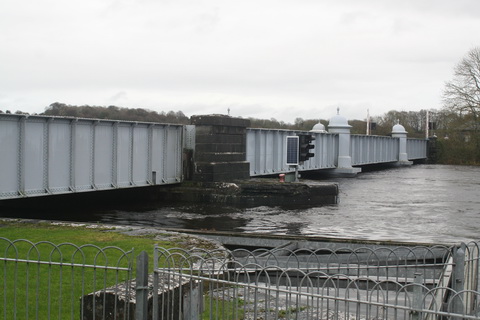
Floods 20151208 Shannonbridge 01_resize

Shannonbridge upstream

Floods 20151208 Shannonbridge 07_resize

Shannonbridge downstream

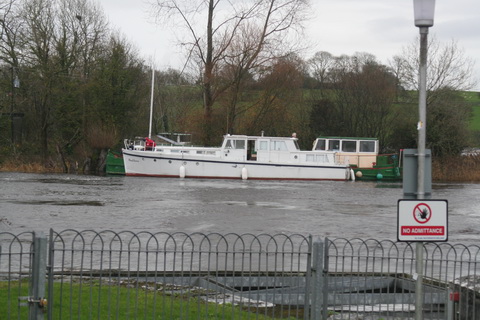
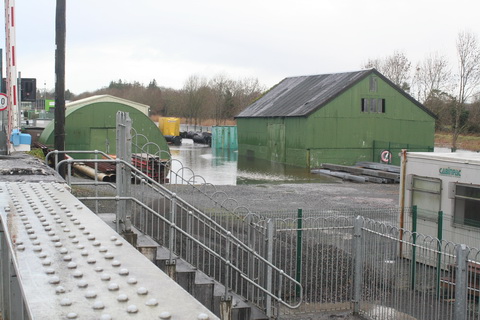
Floods 20151208 Shannon Harbour 04_resize

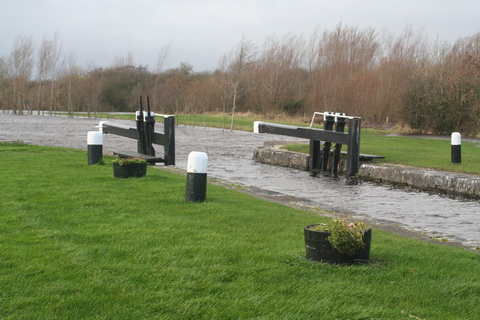
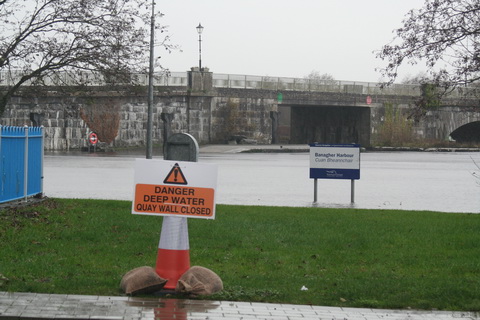
Shannon Harbour: 36th lock

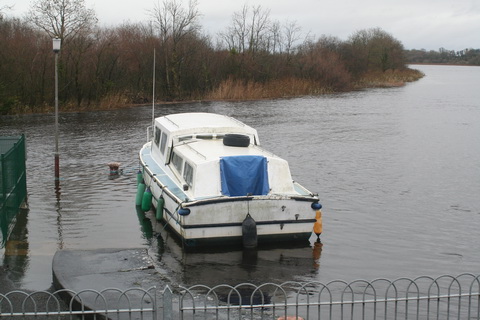
Floods 20151208 Shannon Harbour 06_resize

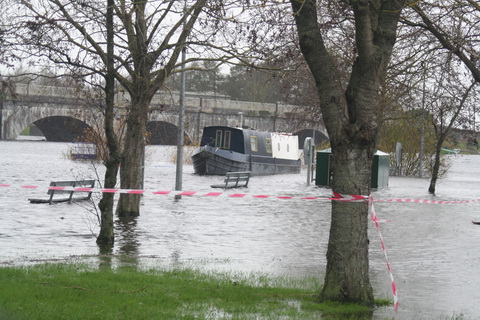
Shannon Harbour: below the 36th

Floods 20151208 Shannon Harbour 16_resize

Shannon Harbour: road to Banagher closed

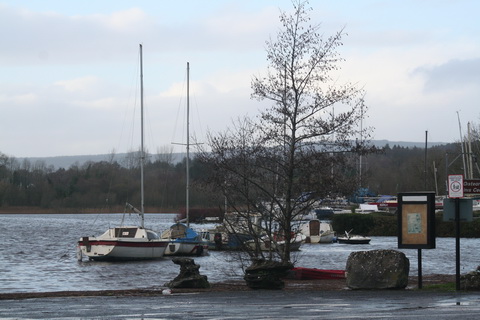
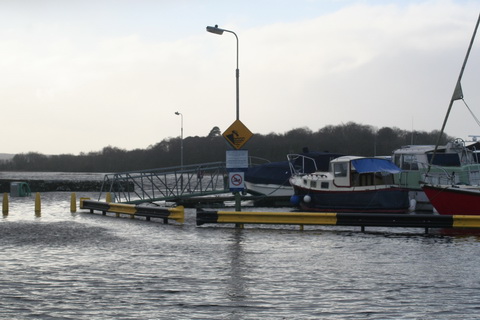
Floods 20151208 Banagher 03_resize

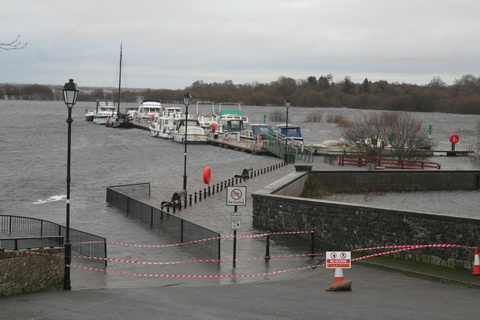
Banagher: the harbour above the bridge

Floods 20151208 Banagher 05_resize

Banagher: the harbour’s sole inhabitant

Floods 20151208 Banagher 09_resize

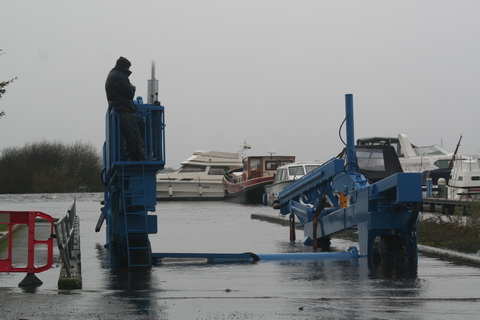
Banagher: work goes on

Floods 20151208 Portumna bridge 01_resize

Portumna Bridge: Hawthorn moving

Floods 20151208 Portumna bridge 03_resize

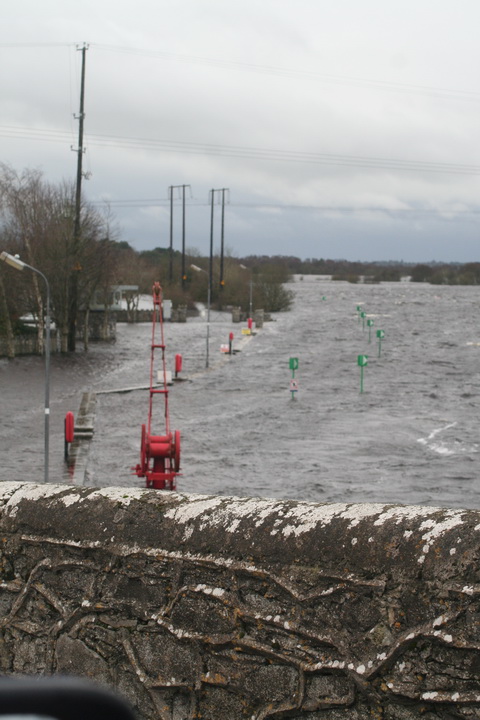
Portumna Bridge

Floods 20151208 Portumna bridge 02_resize

Below Portumna Bridge

Floods 20151208 Portumna bridge 10_resize

Above Portumna Bridge

Floods 20151208 Portumna bridge 12_resize

Portumna Bridge: Waterways Ireland yard

Floods 20151208 Mountshannon 01_resize

Mountshannon

Floods 20151208 Mountshannon 04_resize

Mountshannon: the main quay

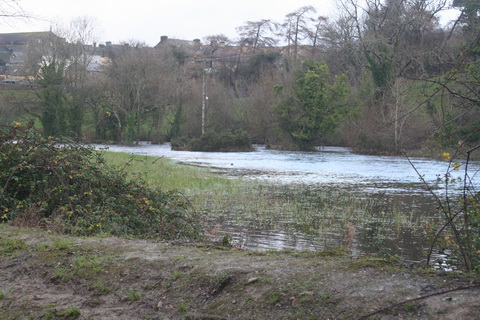
Floods 20151208 Scarriff 01_resize

Scarriff: the river in flood

Floods 20151208 Scarriff 02_resize

Scarriff: the river flowing on to the road to the harbour

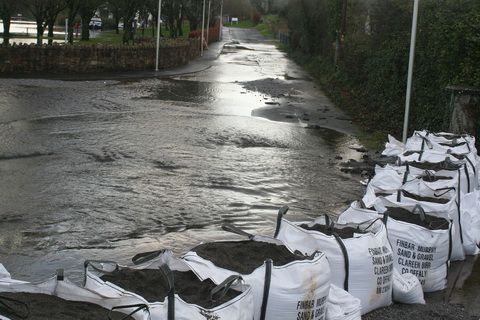
Floods 20151208 Scarriff 06_resize

Scarriff: sandbags blocking the road …

Floods 20151208 Scarriff 04_resize

… to the Waterways Ireland Shannon HQ. Anyone in the building must have waded there

Floods 20151208 Tuamgraney 01_resize

Tuamgraney

Floods 20151208 Killaloe 16_resize

Killaloe: the flash lock

Floods 20151208 Killaloe 26_resize

Killaloe bridge from downstream

Floods 20151208 O'Briensbridge 02_resize

O’Briensbridge

Floods 20151208 O'Briensbridge 05_resize

Water level with the quay at O’Briensbridge

Floods 20151208 O'Briensbridge 10_resize

Flooded fields at O’Briensbridge

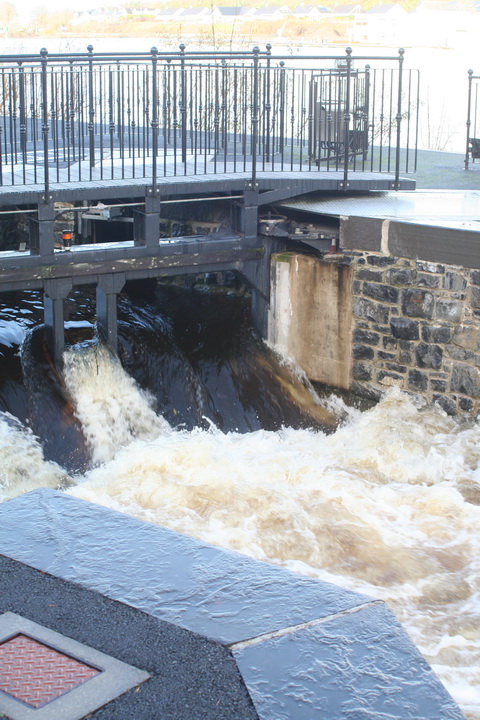
O’Briensbridge is on the original course of the Shannon, downstream of Parteen Villa Weir, which controls how much water goes via the original course and how much goes to the hydroelectric power station at Ardnacrusha.

Normally, the original course gets the first 10 cubic metres per second (10 cumec, they say) of water and Ardnacrusha gets the next 400, 100 for each of its four turbines. In floods, any excess is sent down the original course, through O’Briensbridge, Castleconnell and Plassey. One newspaper today said that, on Monday 7 December 2015, 315 cumec had been sent down the original course and, on Tuesday 8 December, 375 cumec.

The water levels are still below the peak achieved in November 2009, but there is more to come: as the Shannon drains a very large amount of Ireland, and as it is falls very little in its upper reaches, it takes a long time for the runoff to reach Killaloe and Parteen Villa. It may be that the ESB, which controls Ardnacrusha and Parteen Villa, is now running down the level of Lough Derg to make room for the water that has yet to arrive from the upper Shannon.


How true these words are …

… even today:

The swivel bridges at Portumna and Banagher seem to have been badly situated with regard to the passage of vessels, both being placed in the concave bend of the river which makes it difficult, in blowing weather, and going down stream, to shoot the bridge safely.

From the BNA

That is from the Clare Journal, and Ennis Advertiser of 12 September 1850. The swivel bridges of yesterday are the navigation arches of today. The deficiencies of the Shannon Commissioners’ work were evident as soon as they had completed it.

However, although the article from which the sentence was taken is a condemnation of the Shannon Commissioners, the Journal was mistaken in blaming them for Portumna: that bridge was not built by the Shannon Commissioners.

A bit of a barney

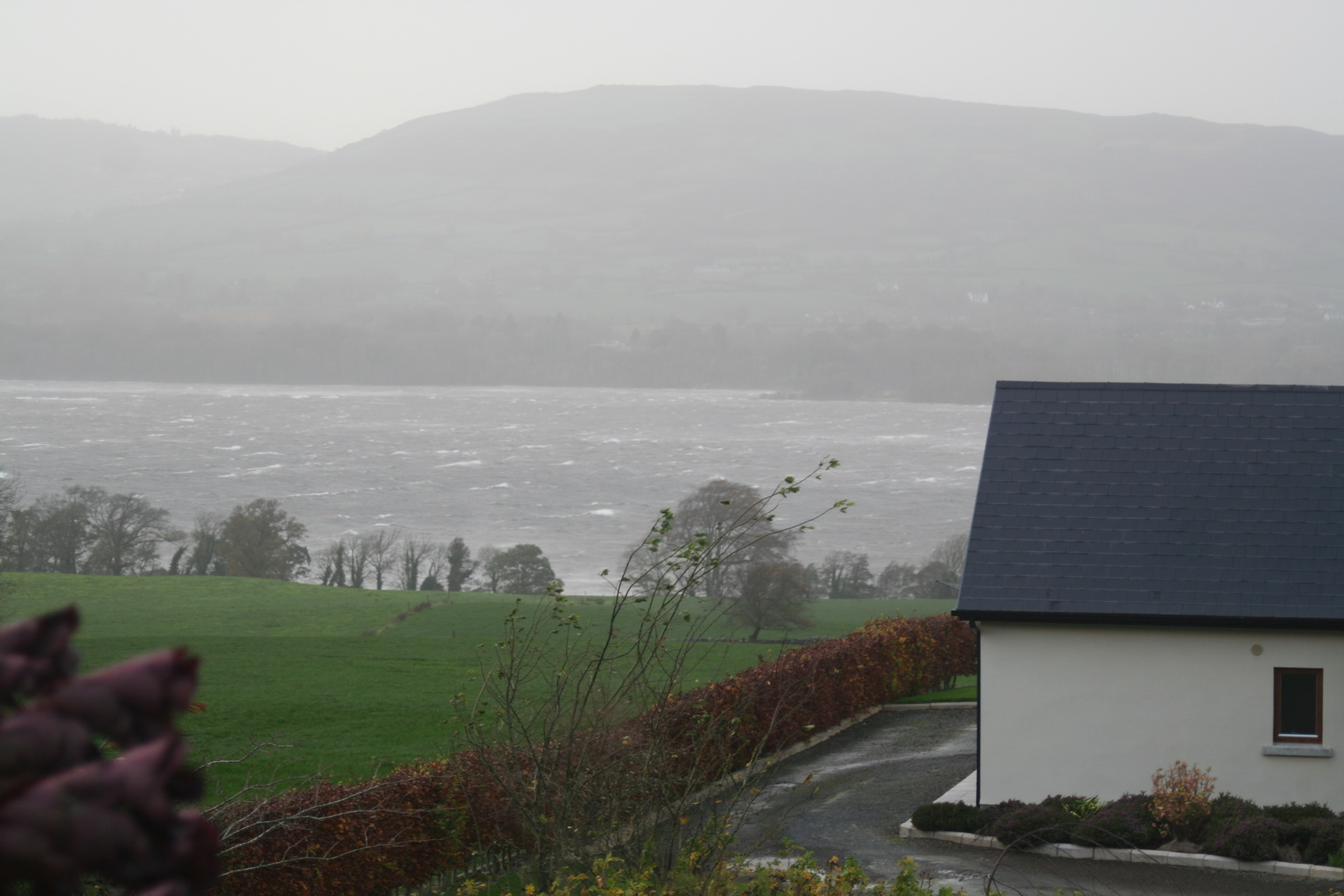
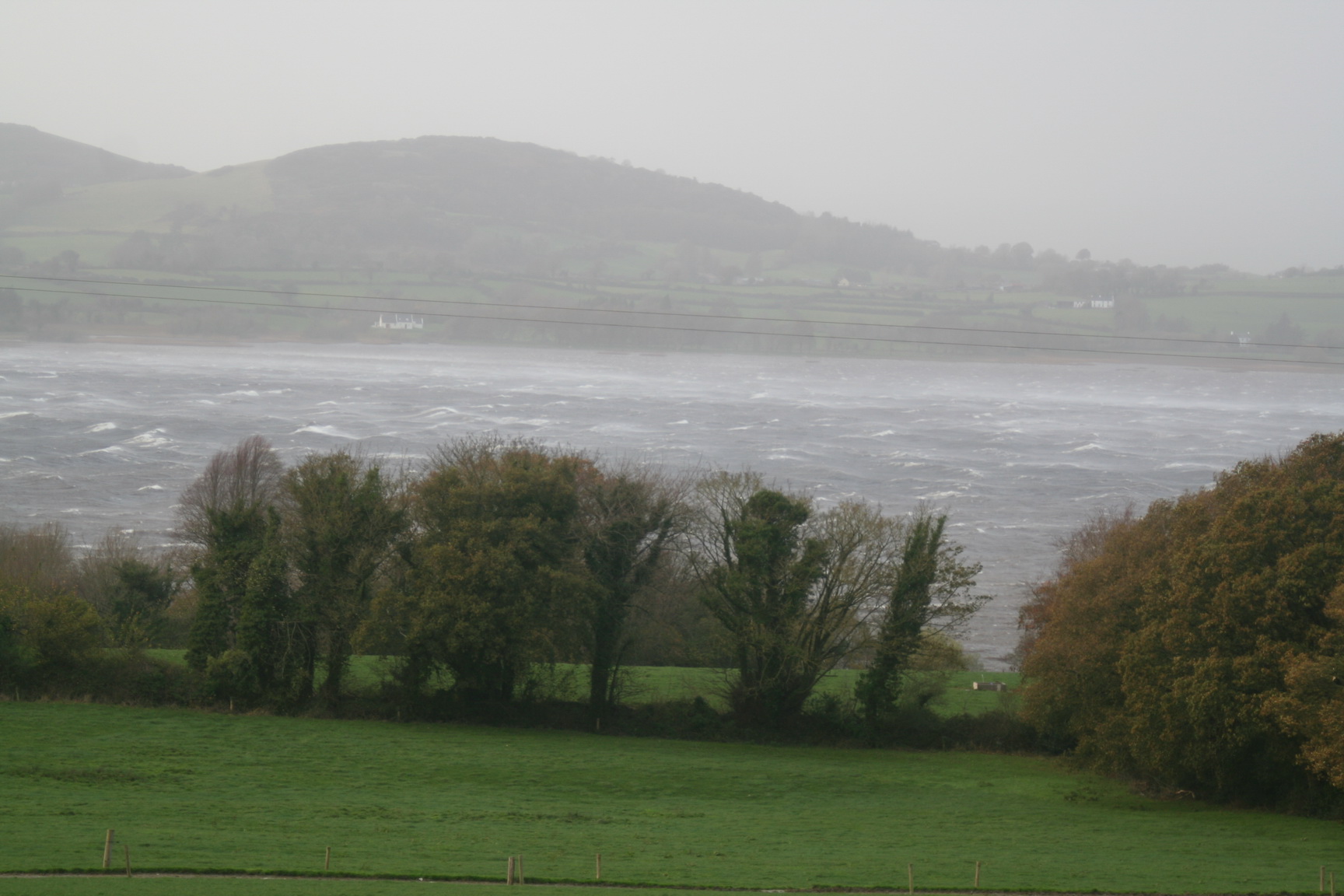
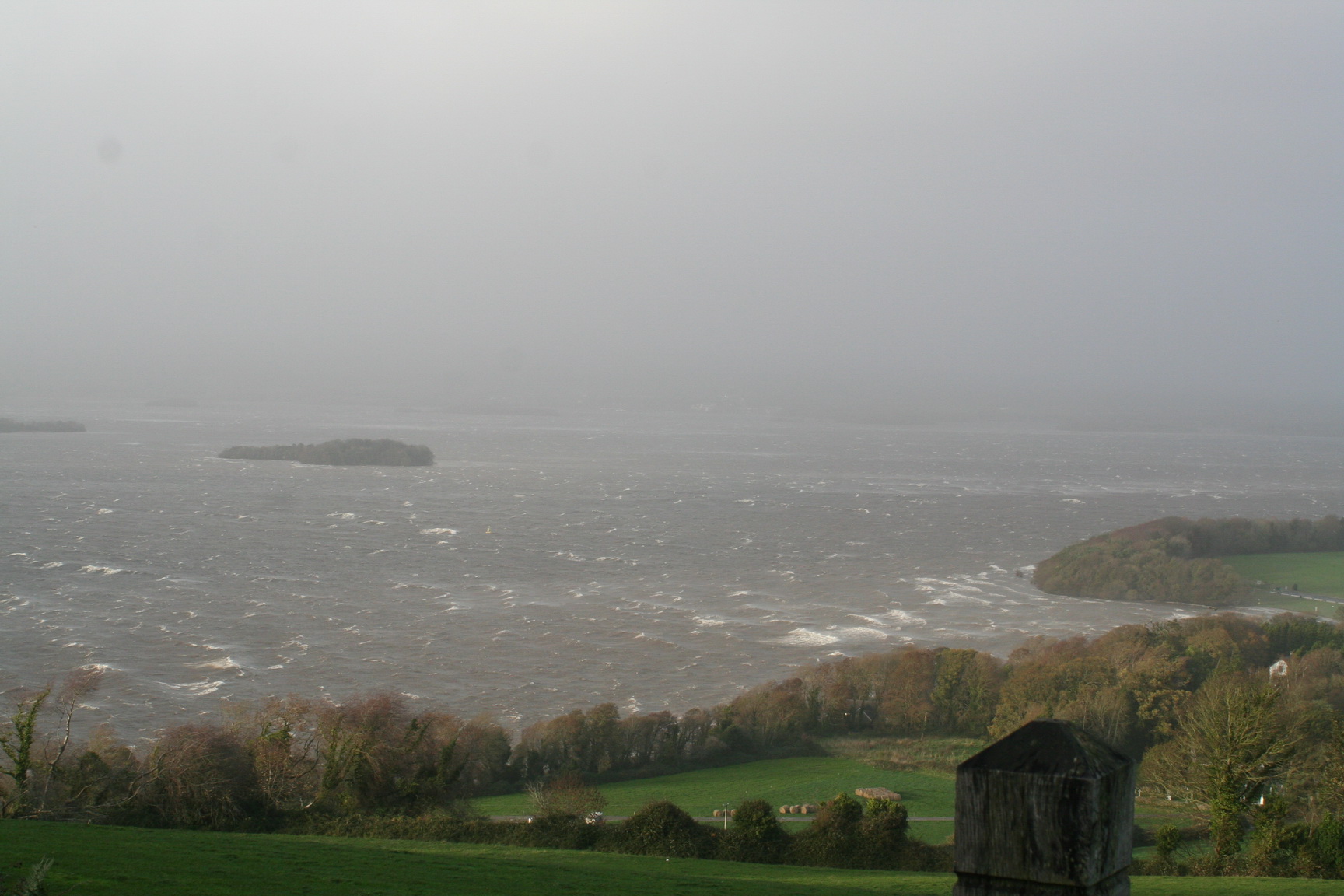
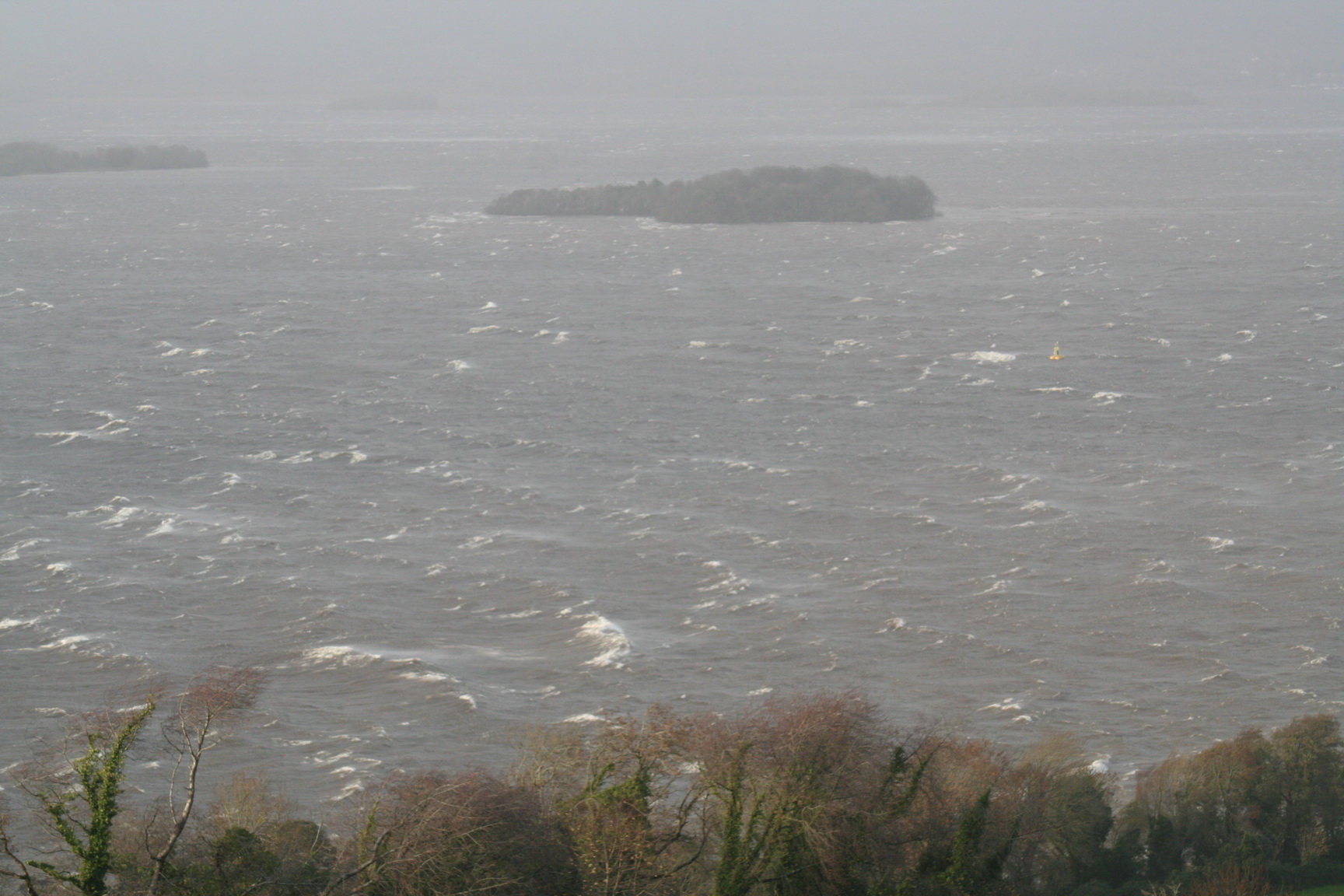
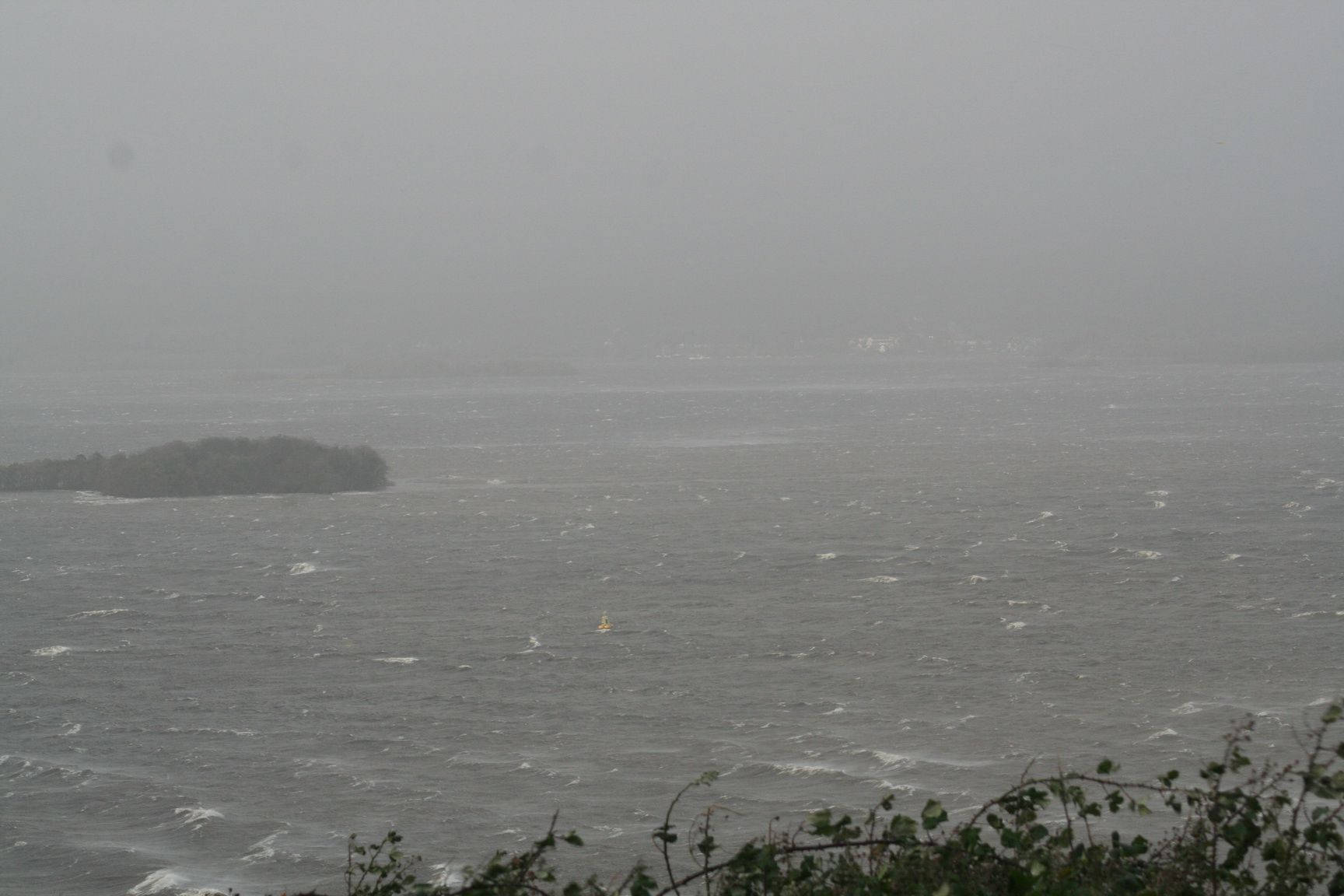
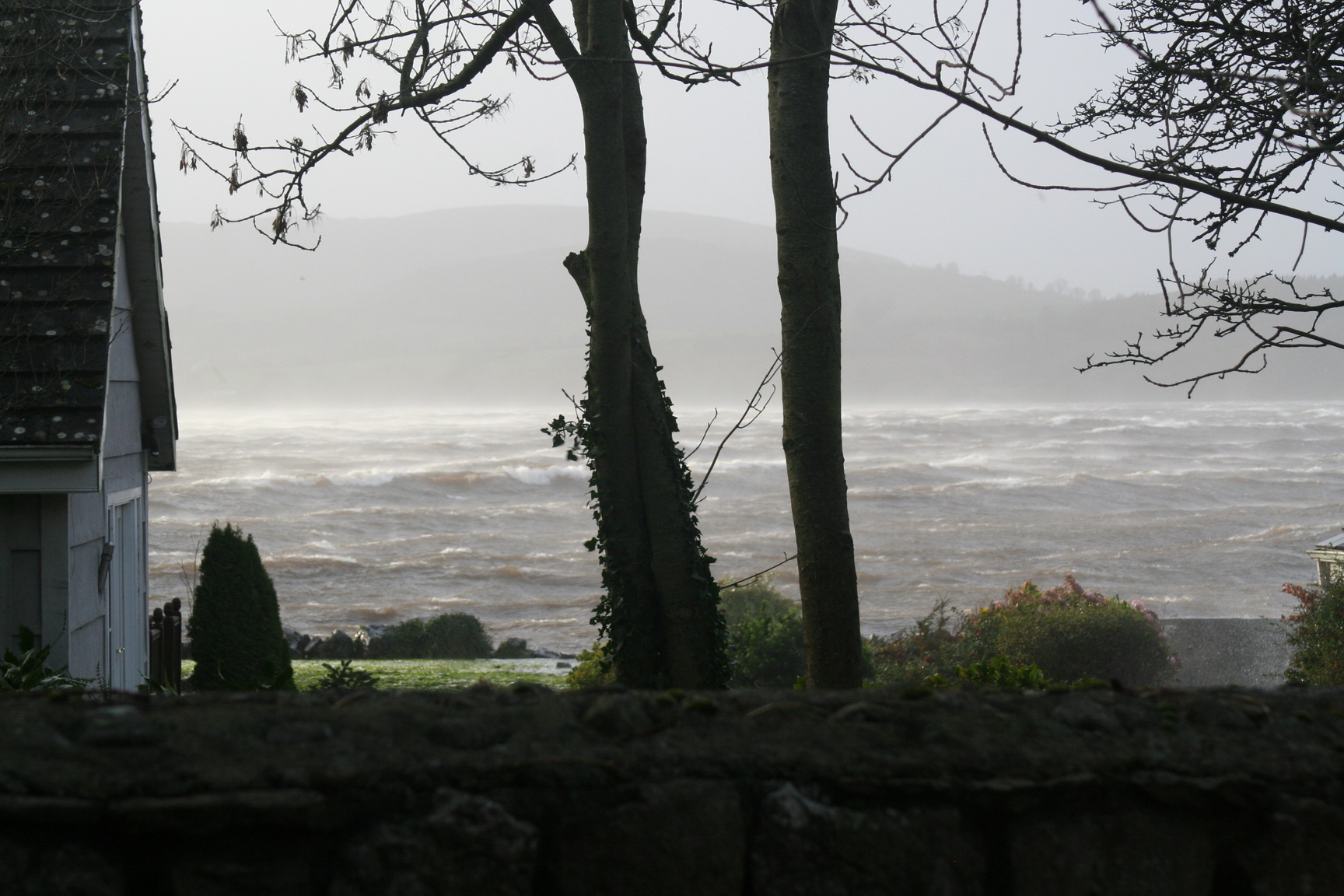
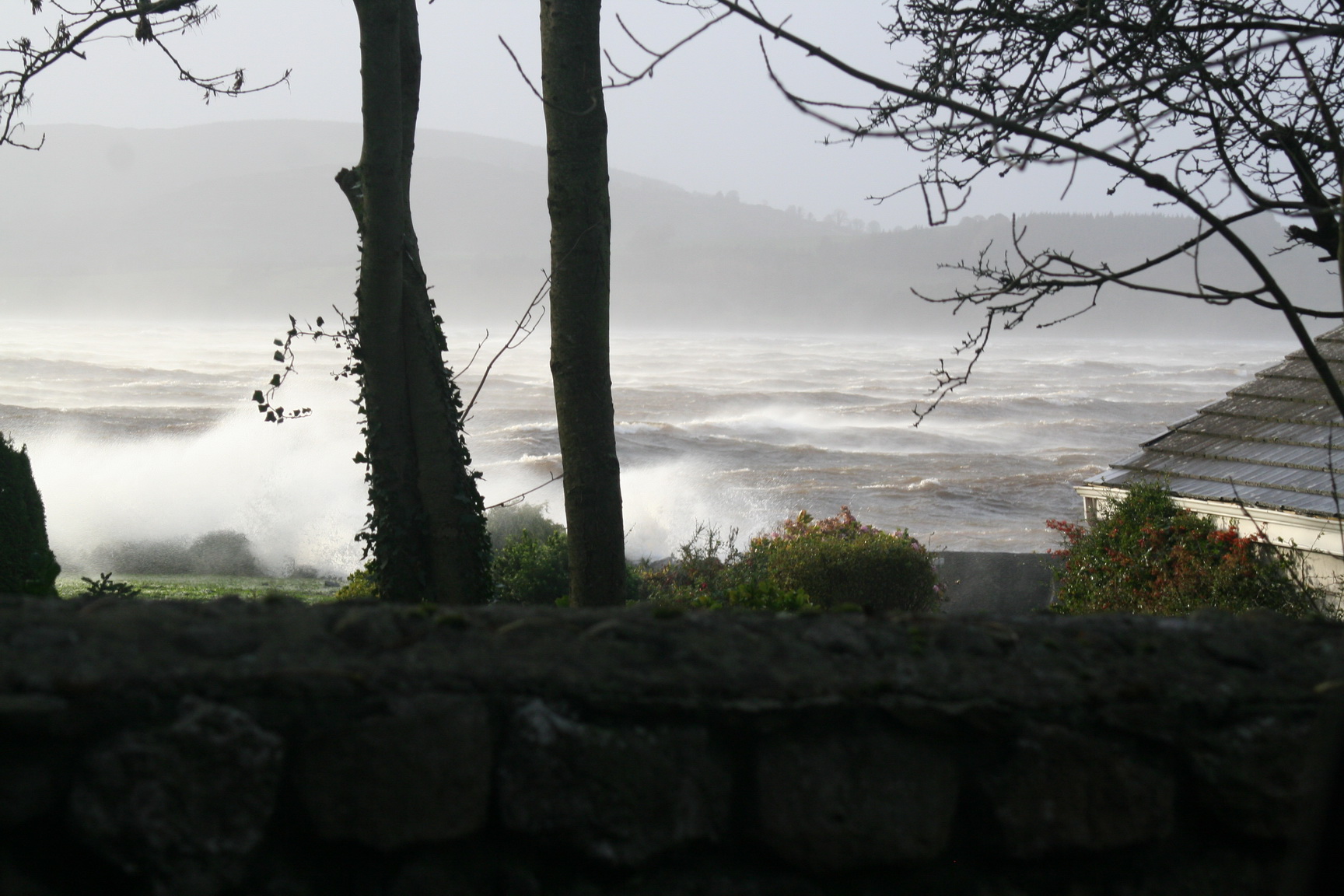
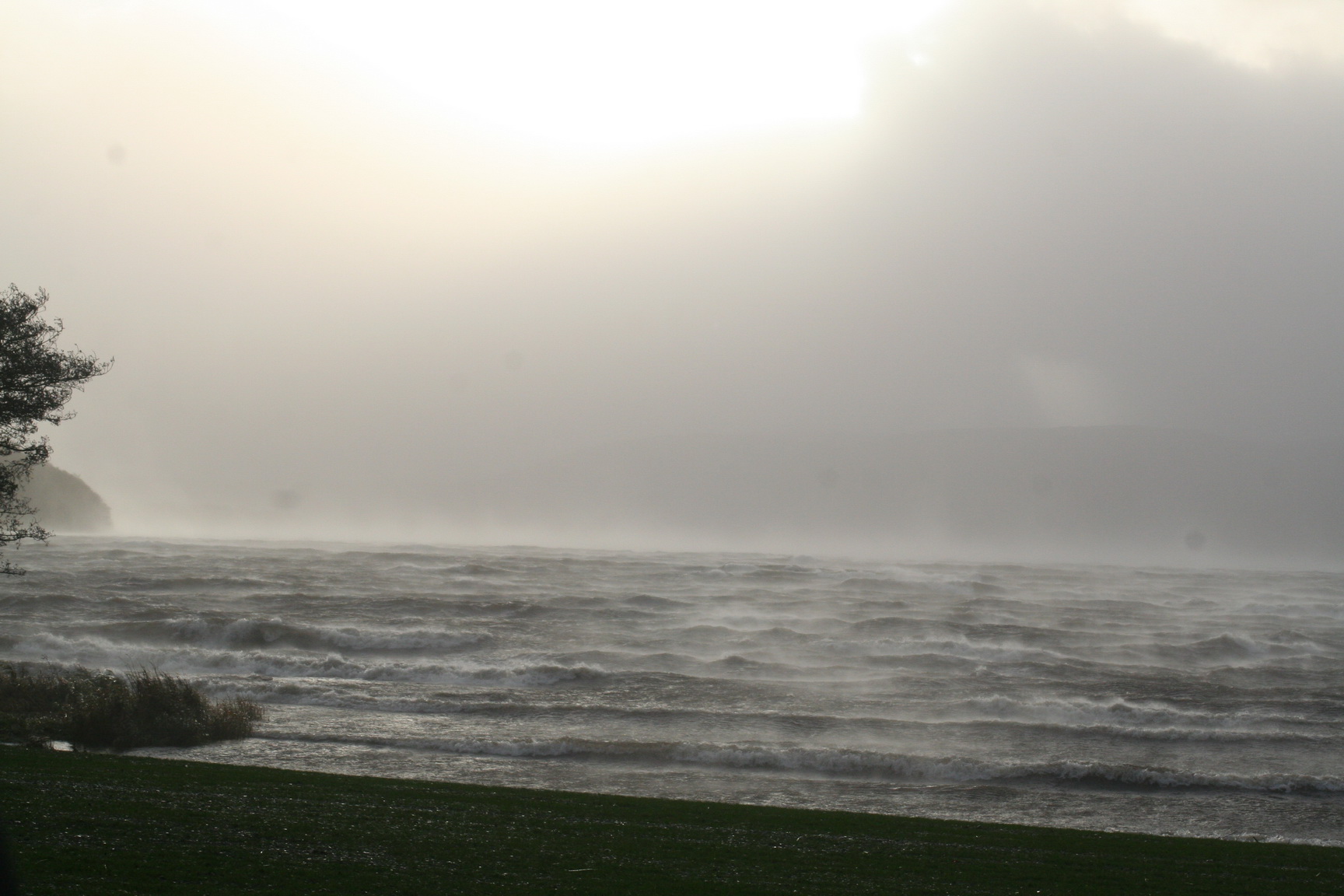
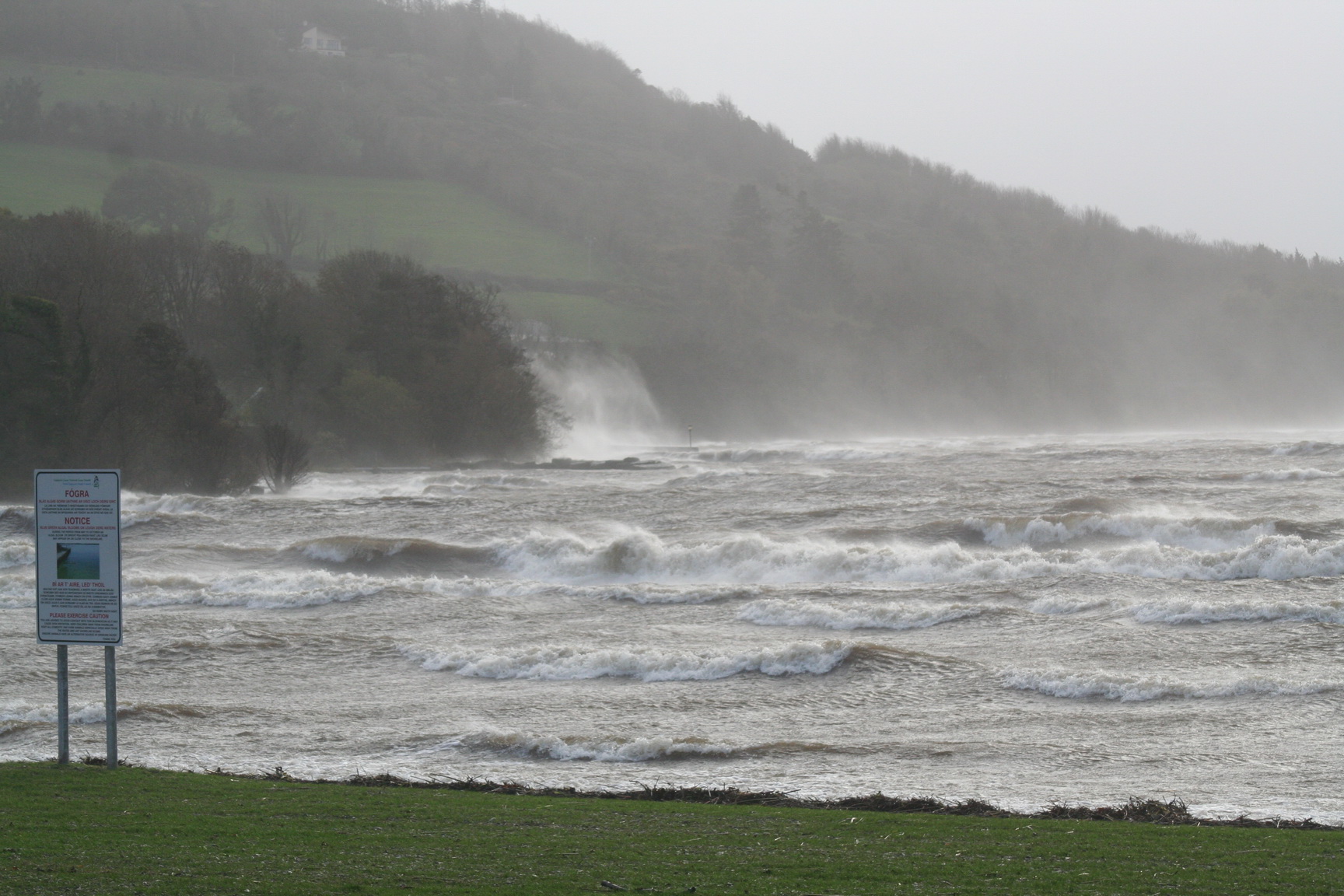
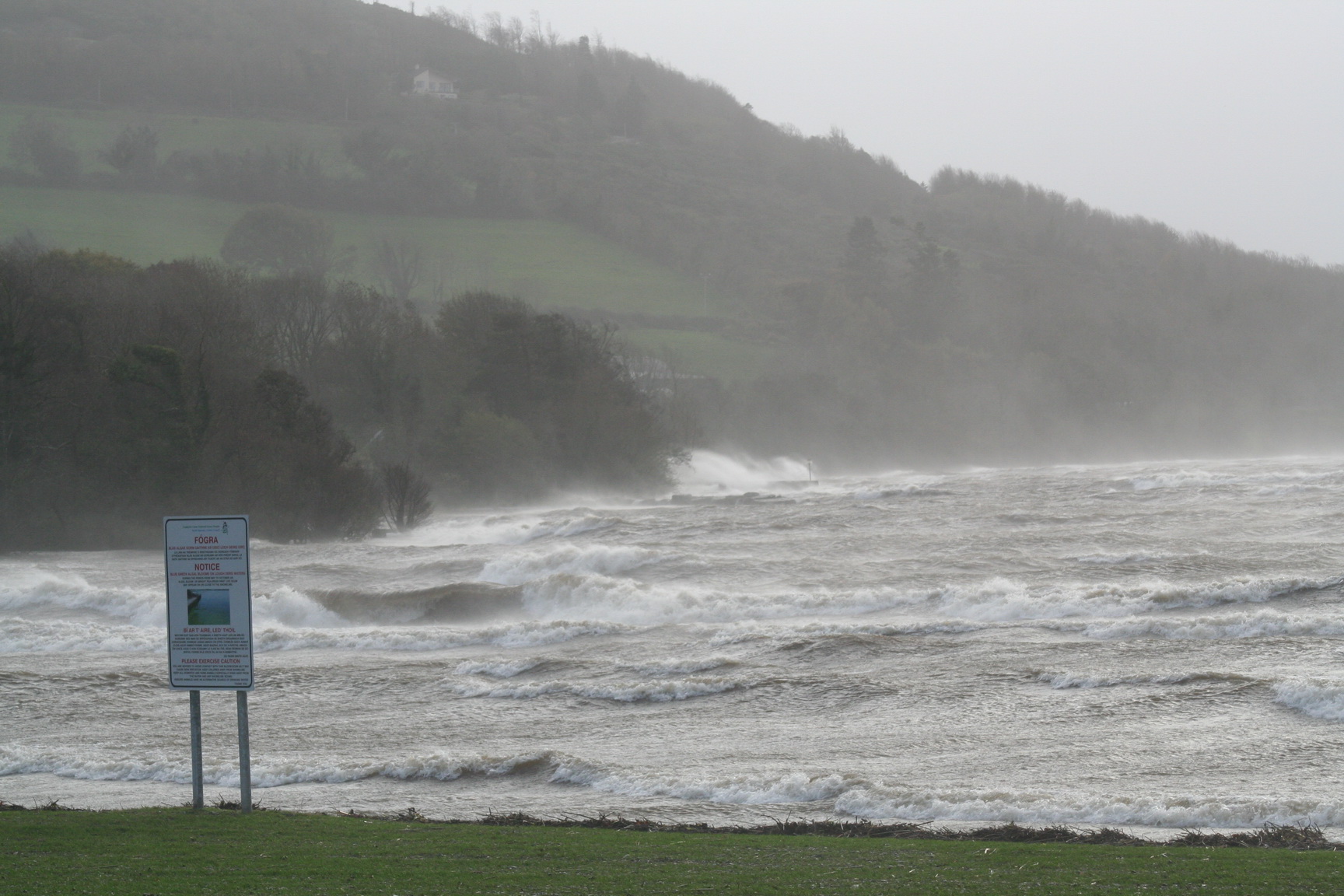
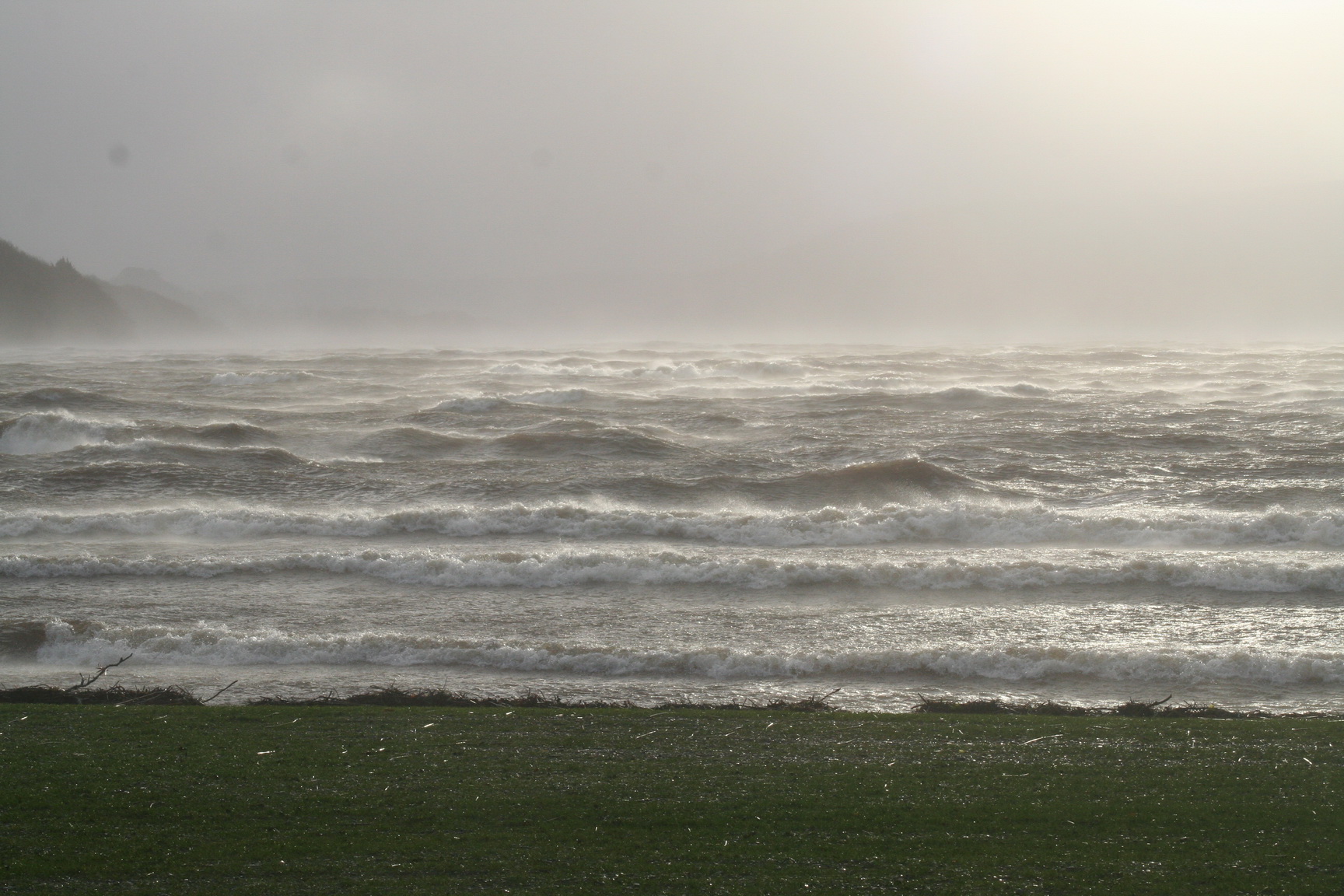
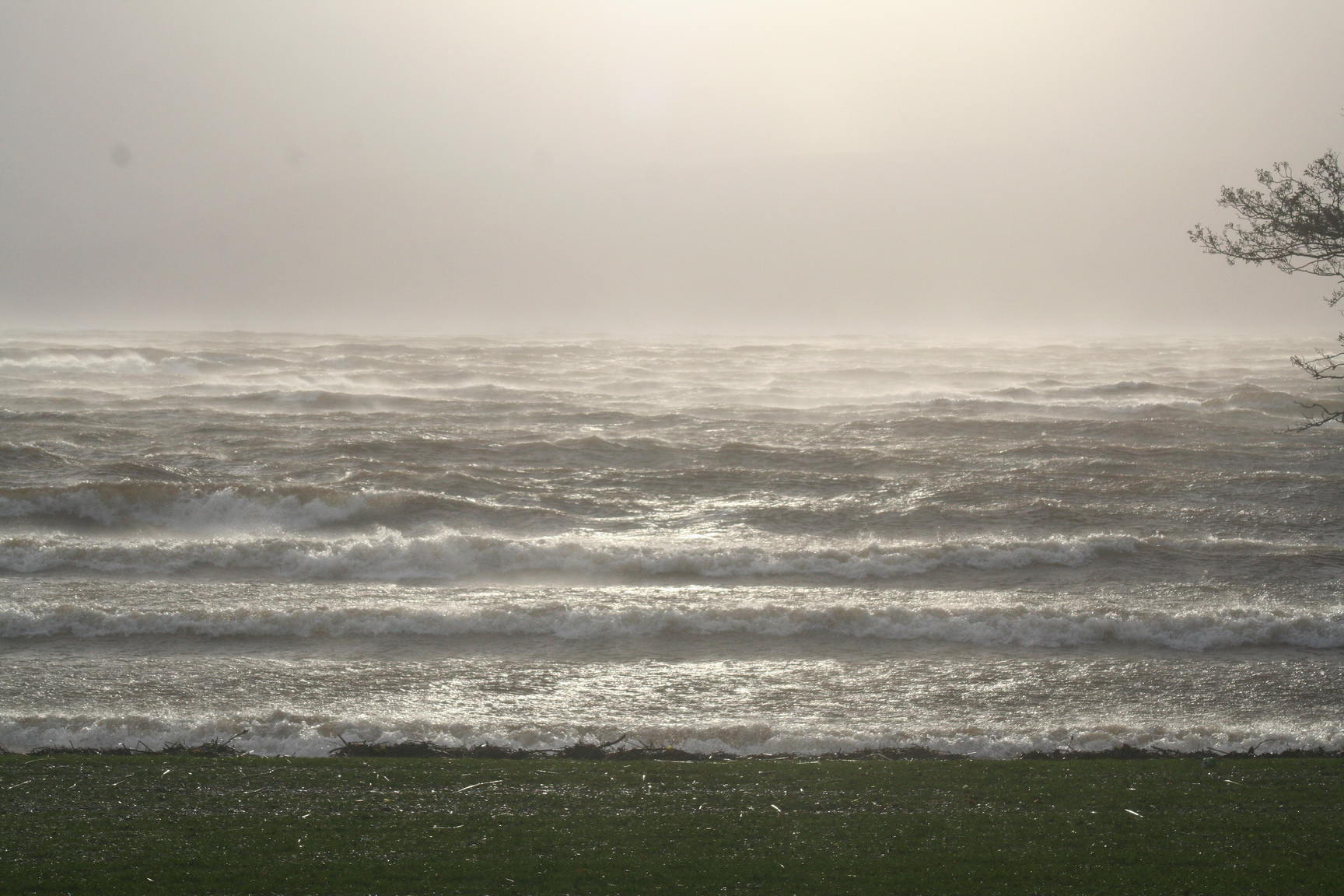
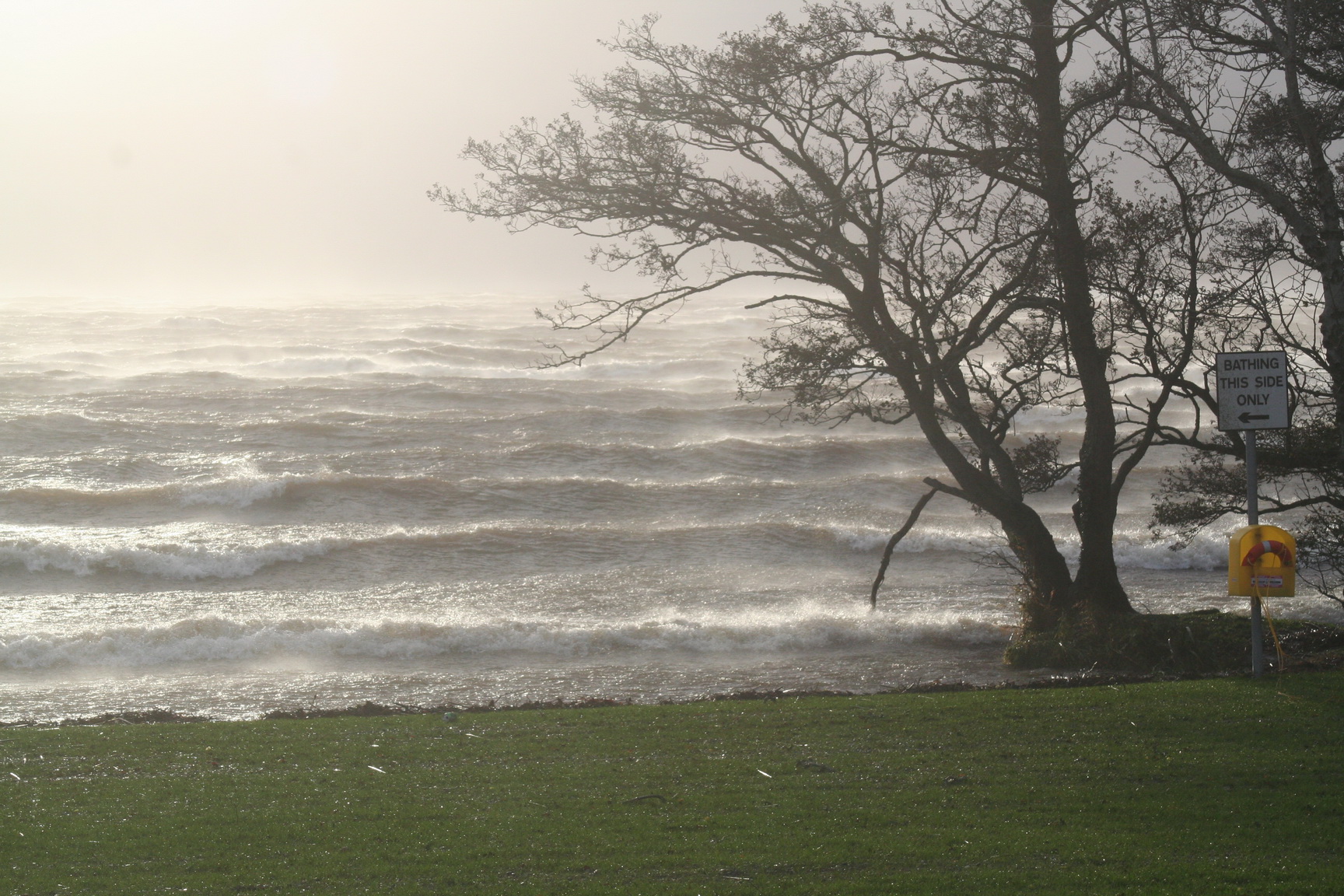
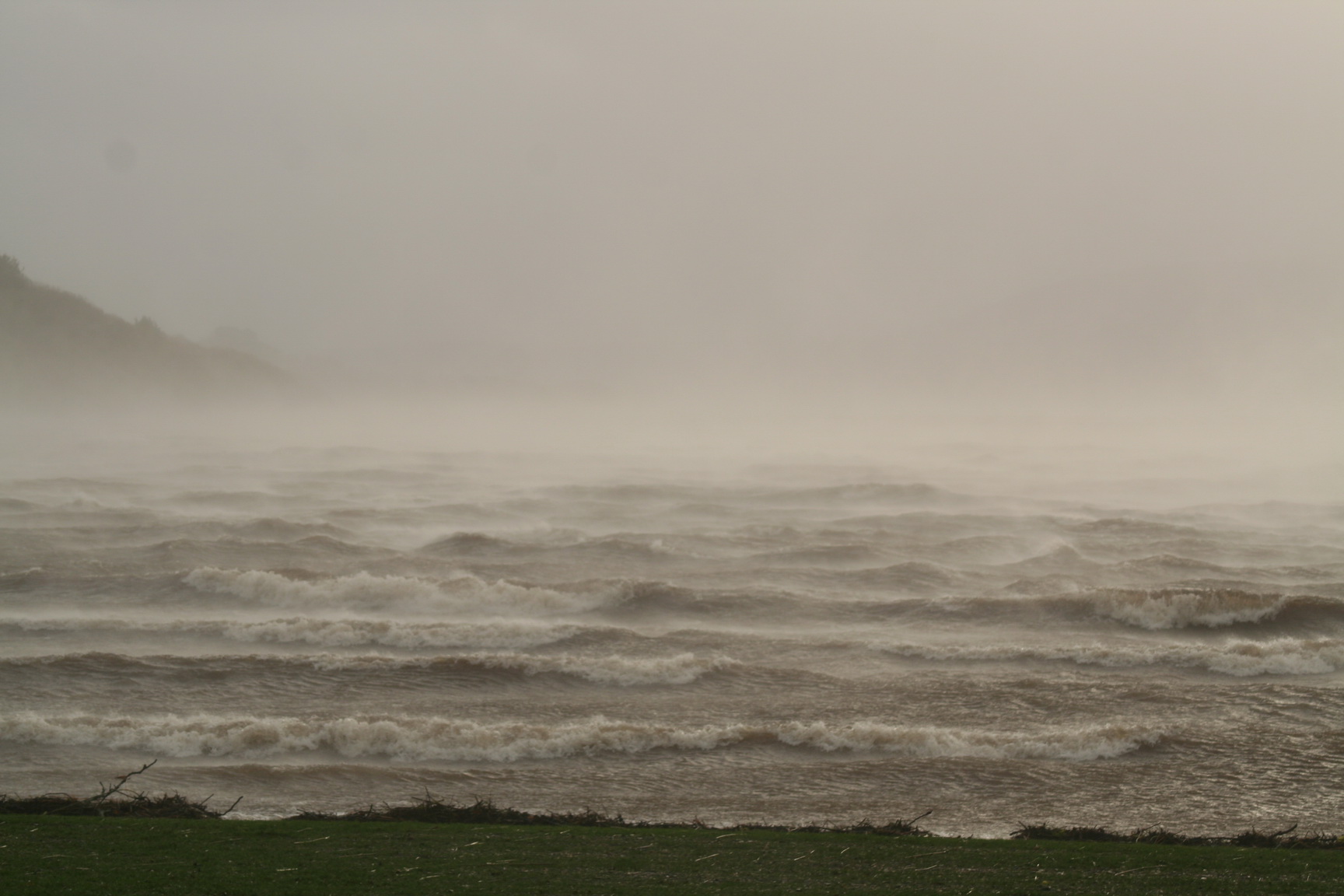
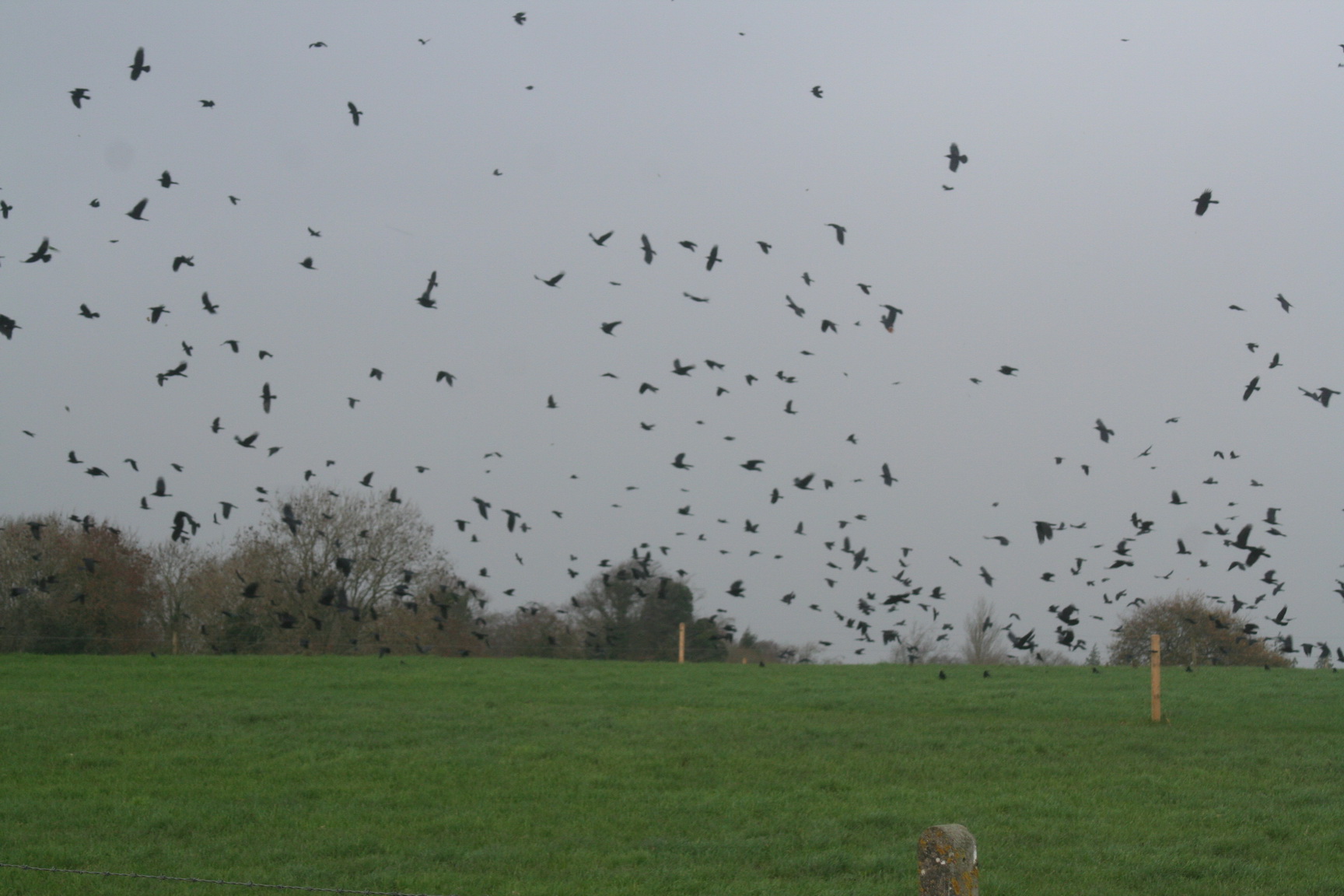
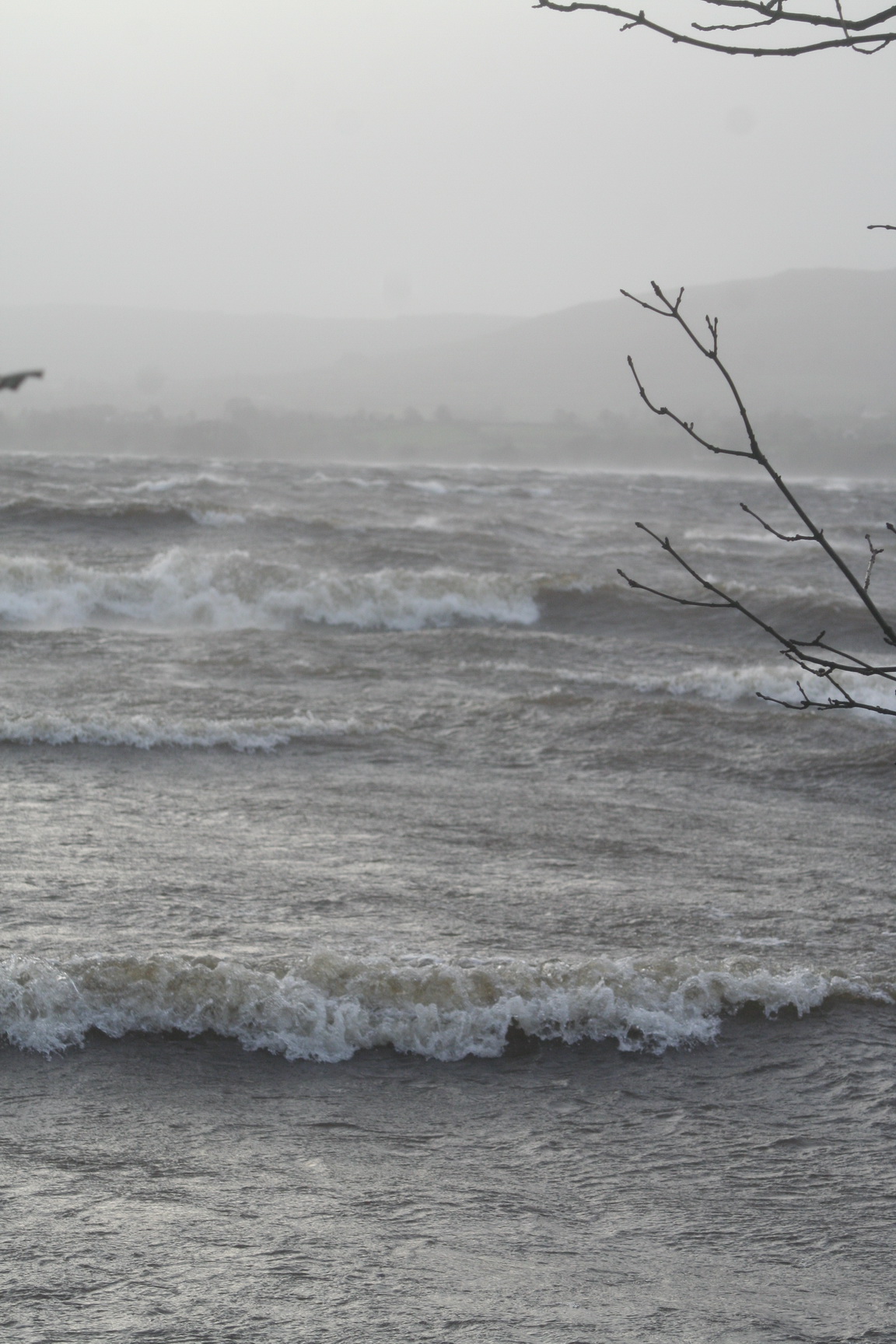
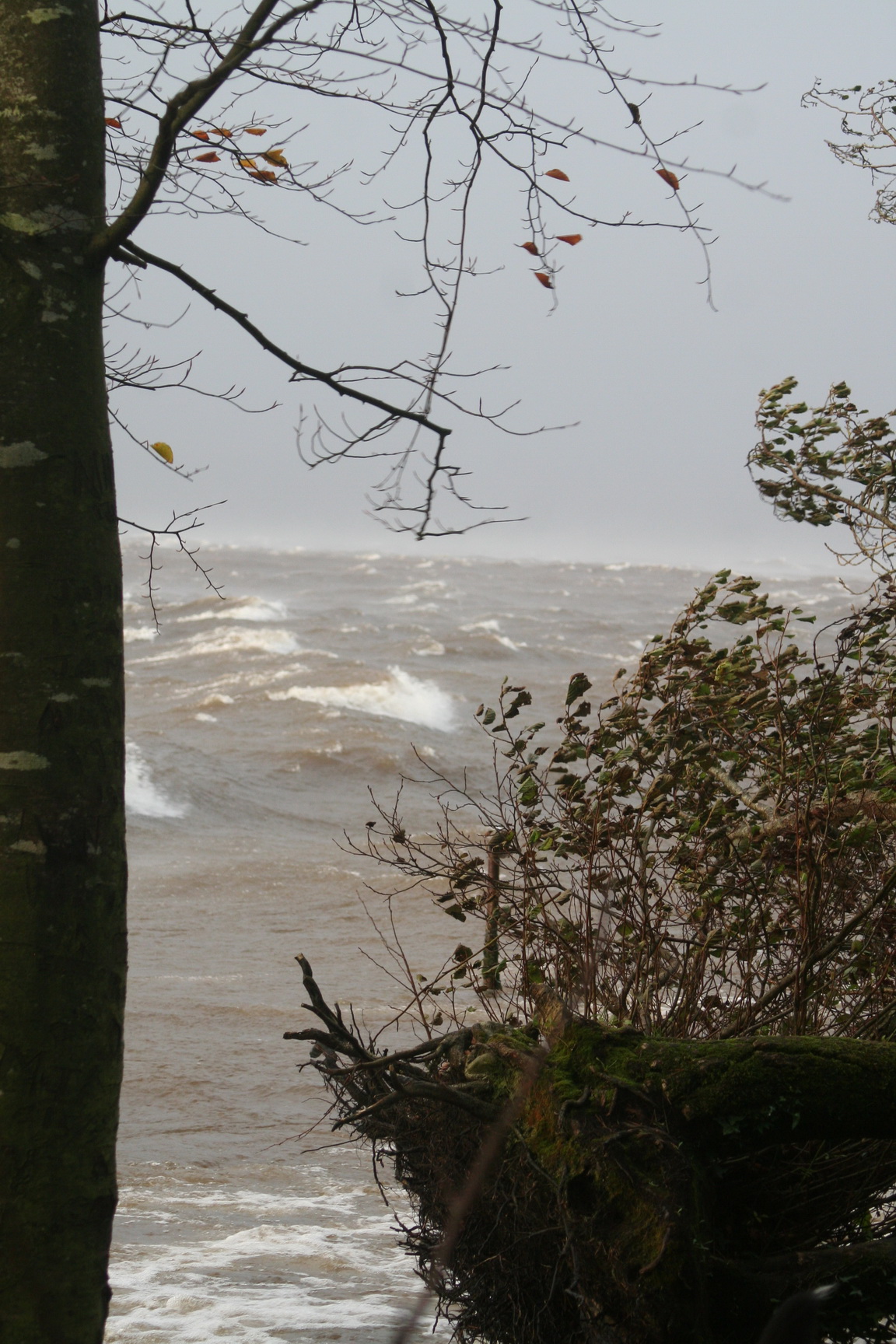
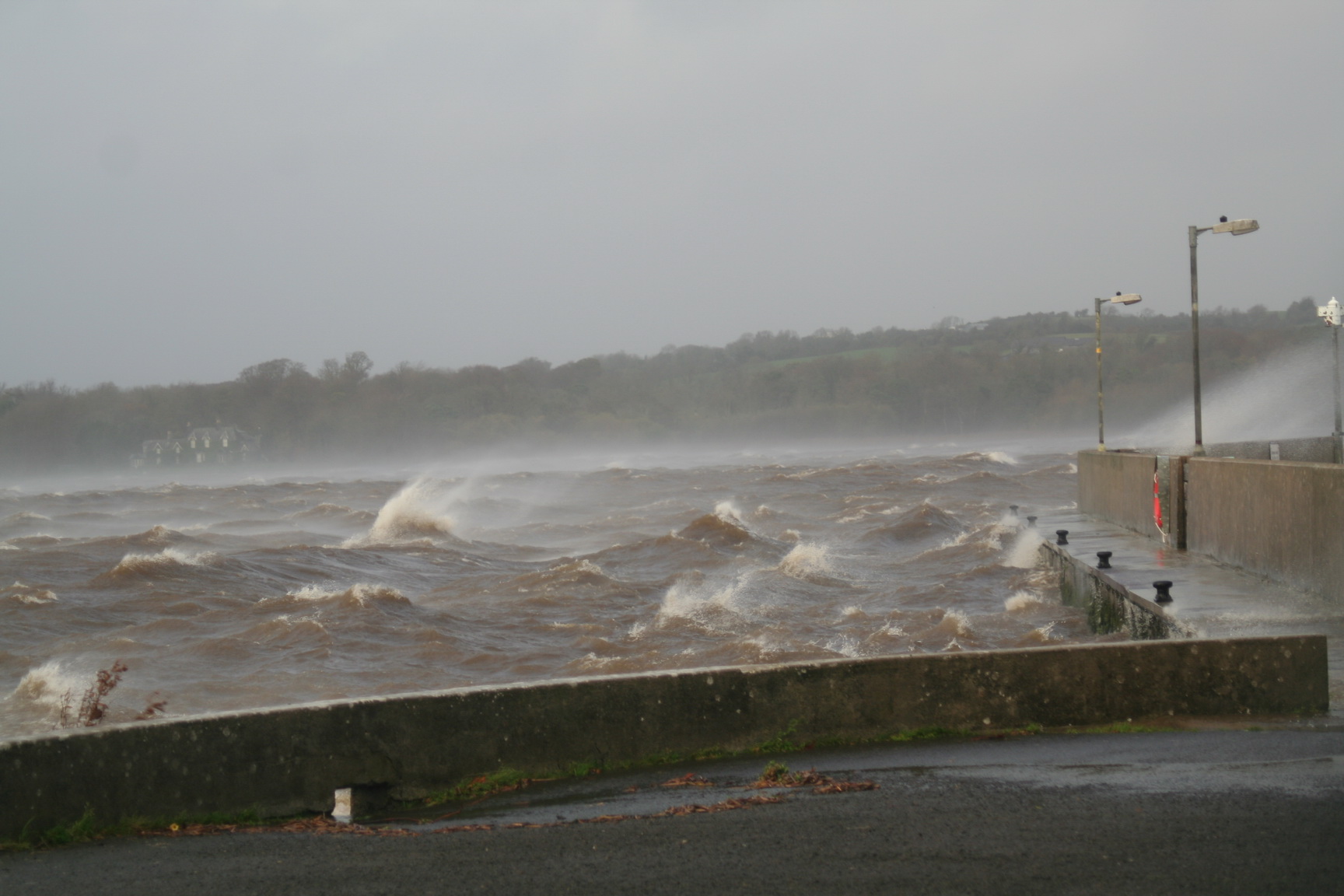
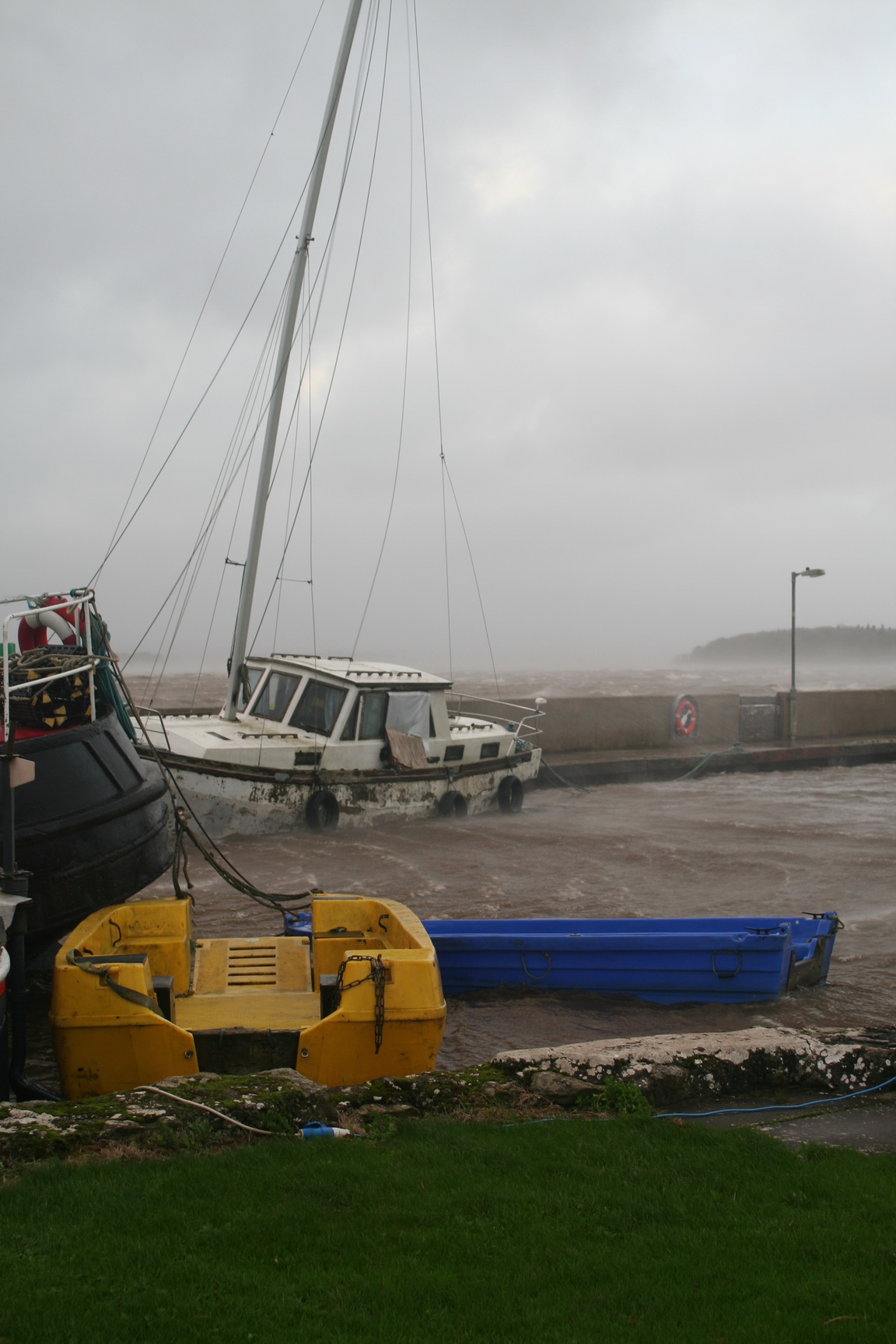
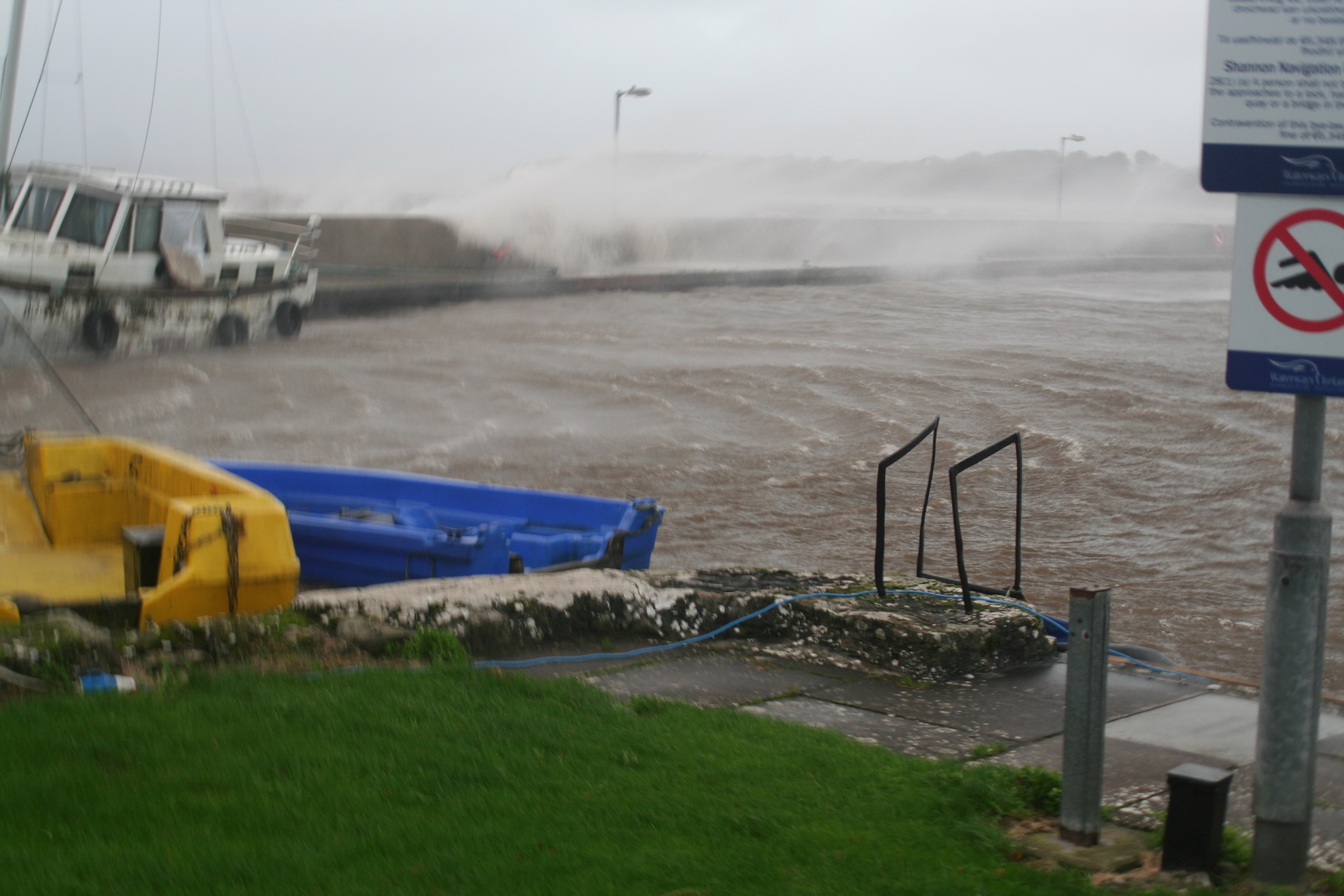
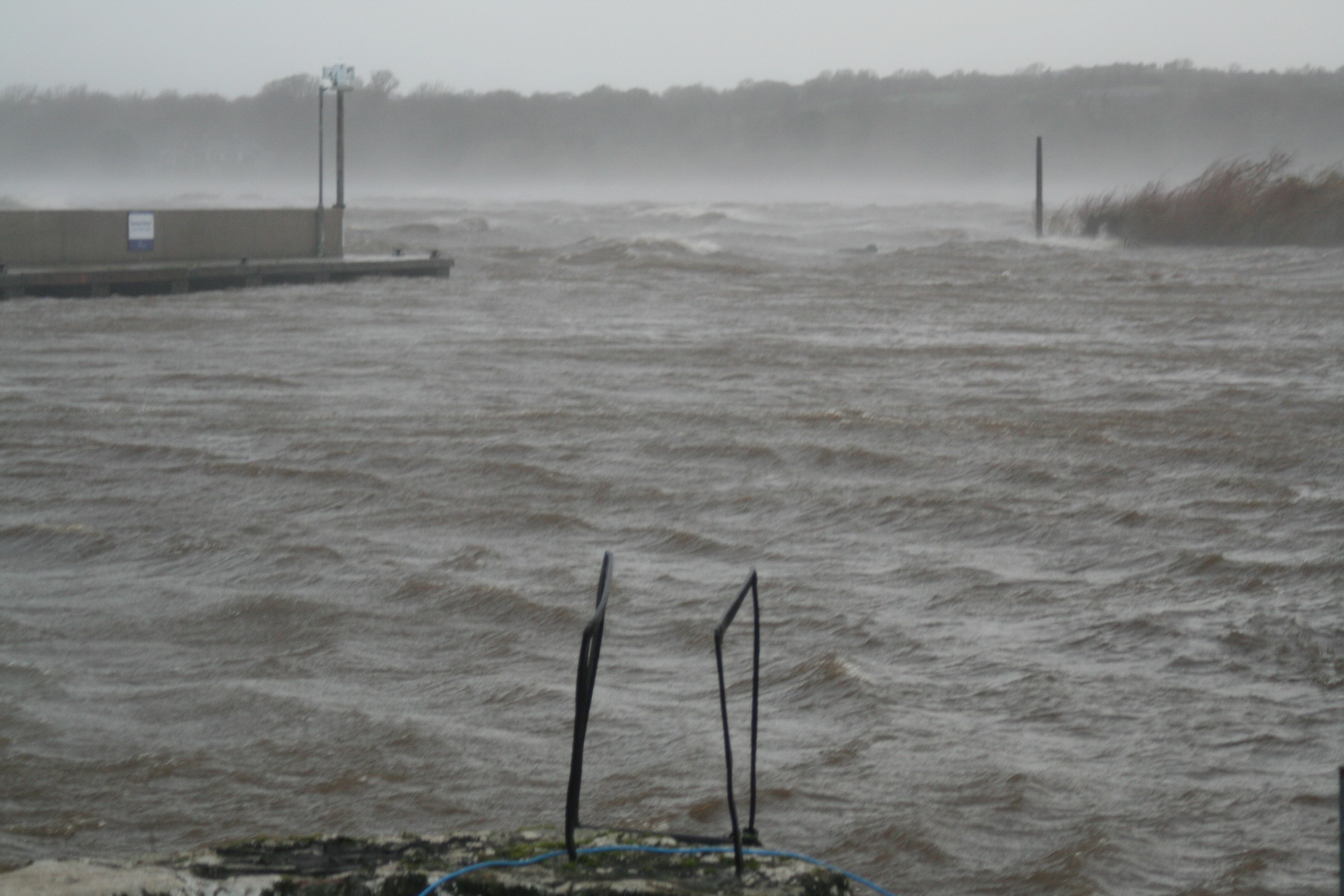
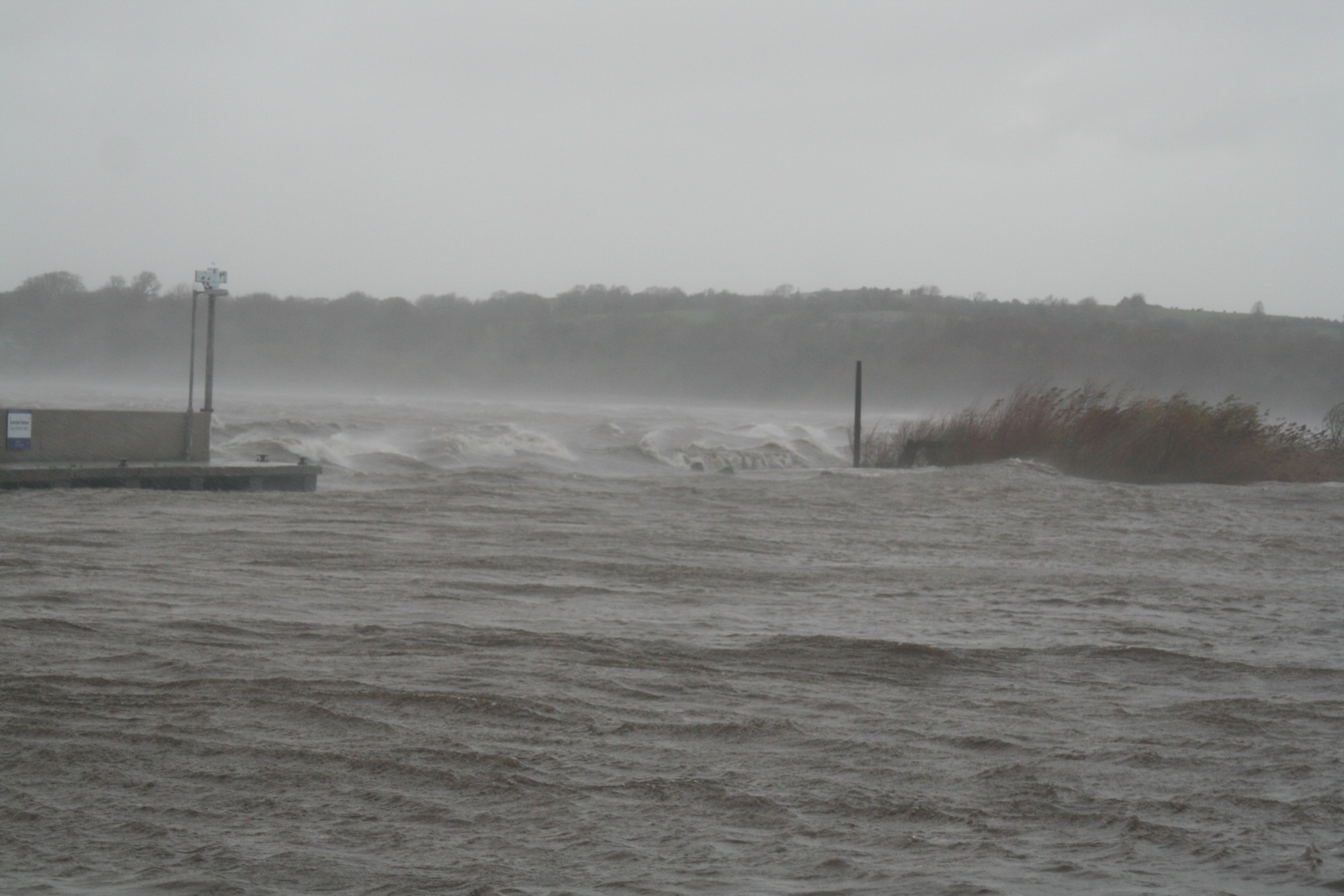
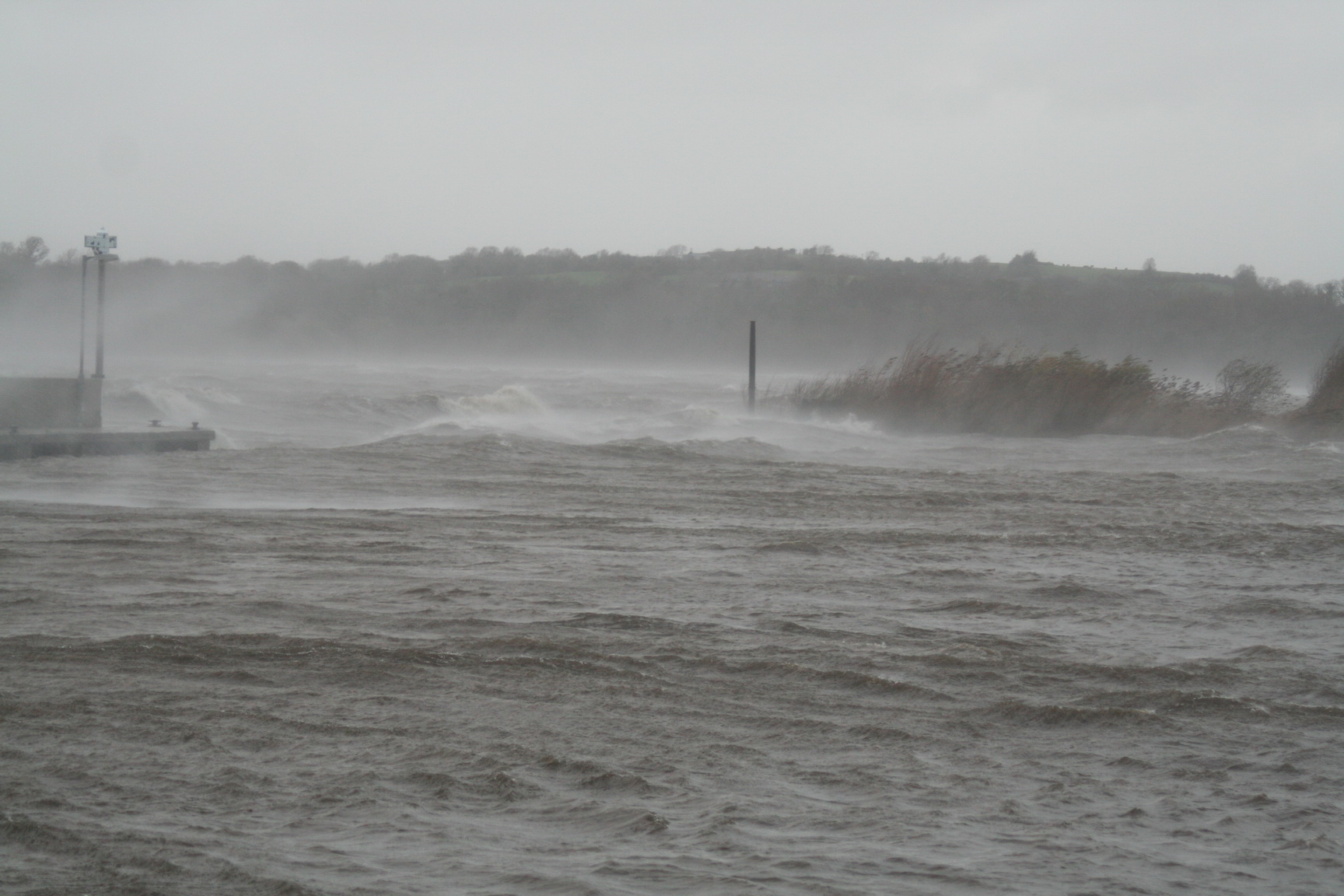
Photos of lower Lough Derg during Storm Barney on the afternoon of Tuesday 17 November 2015.

IMG_6181_resize

From the R494 driving north from Ballina

IMG_6191_resize

From the same position, looking around the other side of the house

IMG_6196_resize

From The Lookout 1

IMG_6197_resize

From The Lookout 2

IMG_6205_resize

From The Lookout 3

IMG_6206_resize

At Castletown 1

IMG_6212_resize

At Castletown 2

IMG_6213_resize

From the beach at Castlelough 1

IMG_6216_resize

From the beach at Castlelough 2

IMG_6220_resize

From the beach at Castlelough 3

IMG_6223_resize

From the beach at Castlelough 4

IMG_6224_resize

From the beach at Castlelough 5

IMG_6226_resize

From the beach at Castlelough 6

IMG_6265_resize

From the beach at Castlelough 7

IMG_6231_resize

Crows at Castlelough

IMG_6240_resize

From the woods at Castlelough 1

IMG_6253_resize

From the woods at Castlelough 2

IMG_6283_resize

Dromineer 1

IMG_6296_resize

Dromineer 2

IMG_6299_resize

Dromineer 3

IMG_6337_resize

Dromineer 4

IMG_6345_resize

Dromineer 5

IMG_6348_resize

Dromineer 6

Pollboy Lock

I mentioned some time ago that, according to its Business Plan 2015, Waterways Ireland was considering automating Pollboy Lock, on the River Suck to Ballinasloe, in order to save costs. Like other offshoots from the main Shannon Navigation [Killaloe to Lough Key], the Suck is relatively little used.

According to the Connacht Tribune, the automation is to proceed and the lockkeeper is to be reassigned. It seems that some local councillors and “business interests” — who do not, as far as I know, contribute to Waterways Ireland’s income — regret the loss of an ambassador for the town. The keeper, Mr Coyne, was indeed extremely helpful to visiting boaters.

However, he could help only those who arrived at his lock: he could do nothing to attract more boating visitors to the town. That is not in the least a criticism of him, but rather a suggestion that councillors and business interests might perhaps have done, or yet do, more to attract visitors and increase the usage of the splendid harbour in Ballinasloe. Perhaps they might even appoint and pay a town ambassador?

A Sinn Féin councillor quoted in the article seems not to be entirely familliar with the duties of lockkeepers. Furthermore, he does not take account of the fact that the Shannon–Erne Waterway succeeds without lockkeepers — or that it was proposed that the Clones Sheugh [not-the-Ulster-Canal] operate in the same way. Surely a Sinn Féin councillor is not suggesting that, without keepers, the Sheugh might not be the enormous success that his party purports to believe it would be?

PS: the Tribune also has a piece about rubbish at Castle Harbour, Portumna.


Is this a first?

The Irish Independent has a sane and realistic article about living on a barge on Irish inland waterways. I can’t recall seeing such a thing before.

The book Reedbound, mentioned in the article, is available here; it is highly recommended.

Water charges

I see from the blatts that Limerick [City & County] Council had a “metropolitan district meeting” recently to discuss how the Shannon might be used to “attract tourism and offer water activities”. I thought it did have such activities: I’m almost sure I’ve seen people in boats, people fishing and so on. But the councillors want something sexier and they intend to pester the unfortunate folk in Waterways Ireland about it.

One Paul Kelleher, described as “(AAA)”, wants an “an Oxford/Cambridge style boat race between UL and LIT” and, alas, “a water bus, with tours down as far as Foynes.”

Unfortunately, since the Lord Lieutenant enjoyed a trip from Limerick to Foynes via Kilrush in 1856, many of the villa residences, mansions and other gentlemen’s seats have become unoccupied and demonstrations of loyalty are unlikely to greet the municipal water bus. Of course any such vessel will be enormously expensive to run, will have a short season and only a few years of popularity and will lose a lot of money. If it were likely to be profitable, private enterprise would already be offering such a service; it isn’t, so a subsidy or some form of sponsorship would be required.

Perhaps Irish Water could sponsor it from its surplus income.


Wind

I had been thinking that it was rather a windy summer on the Shannon, and  Met Éireann’s seasonal summary [select Year 2015 and Period Summer 2015 here to get a PDF] supports that view:

Seasonal wind speeds were the highest in at least six years at the majority of stations with records of up to 41 years exceeded at Shannon Airport (mean wind speed of 9.9 knots (18km/h)). Seasonal mean wind speeds ranged from 5.9 knots (11km/h) at Mullingar, Co Westmeath (its windiest summer in 11 years) to 13.8 knots (26km/h) at Mace Head, Co Galway (its windiest summer in 7 years).

Gale-force winds were reported on 9 days, with four of these days (June 1st, June 2nd, July 17th and August 3rd) reporting severe gales. Malin Head reported the seasons highest 10-minute mean wind speed and highest gust on June 1st with 47 knots (87 km/h) and 65 knots (120km/h), respectively, both the highest reported since the summer of 1988.

But what has caused this excess of wind? The learned Tyler Cowen reports today that there has been a shortage of wind in the Americas and that the amount of electricity generated by some wind farms has fallen.

Clearly, therefore, the missing American wind has ended up in Ireland, and the method of transmission is undoubtedly by the wind farms themselves. Just as the wind is caused by the waving of trees, so too is wind caused by the turbines of wind farms. And while American wind farms are set to blow, ours must be set to suck, thereby bringing American wind to Ireland.

They can have it back any time they like.


Not just kayakers

Now rowers propose to use the Shannon.

I hadn’t realised that the Limerick [non-salmon] weir had affected rowers.