Category Archives: Irish inland waterways vessels

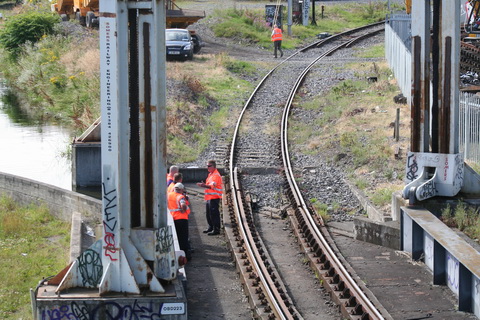
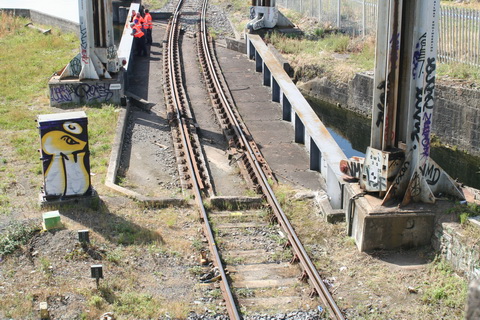
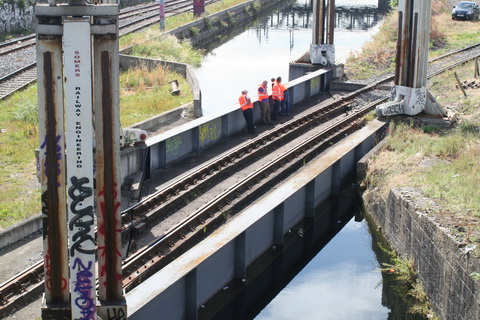
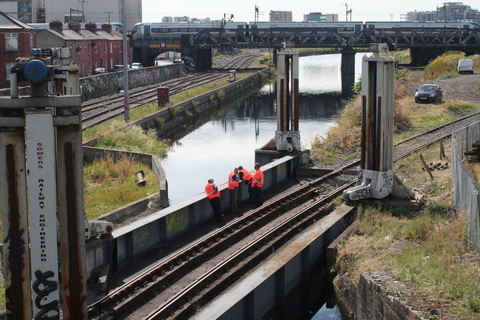
Saving canals

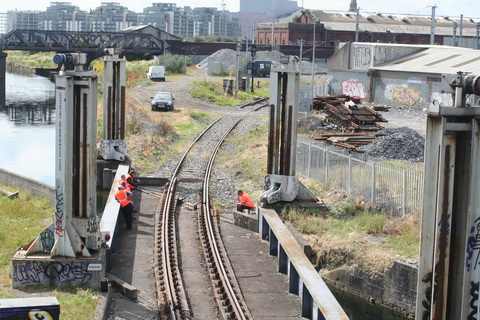
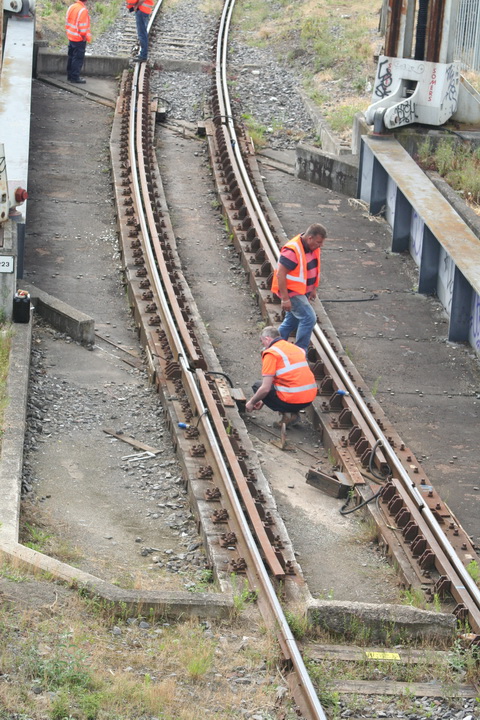
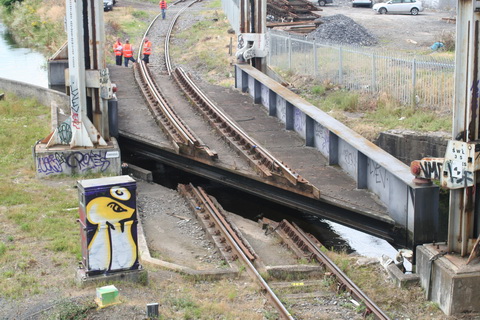
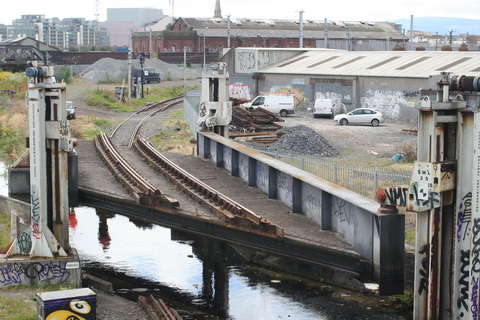
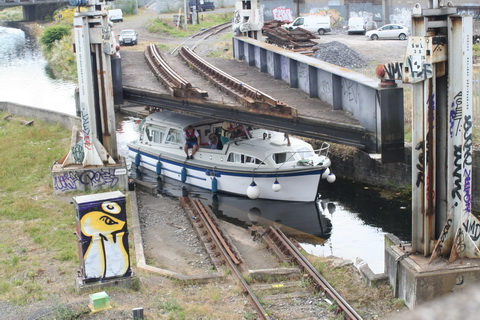
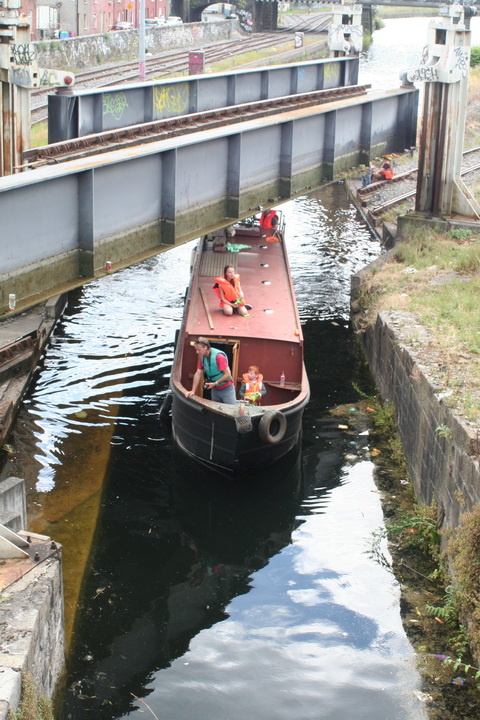
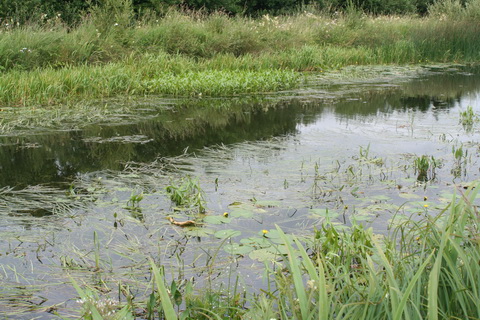
Barrow Line 20140721 03_resize

Barrow Line 1

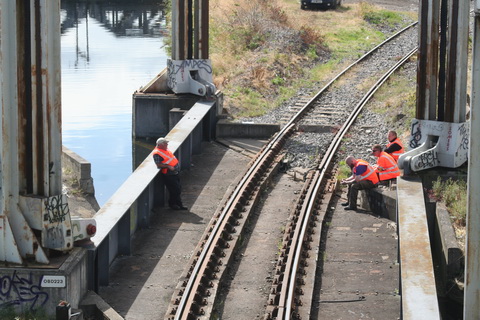
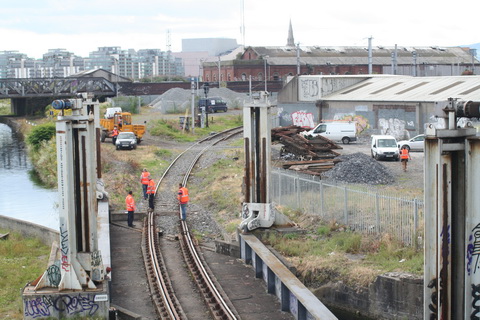
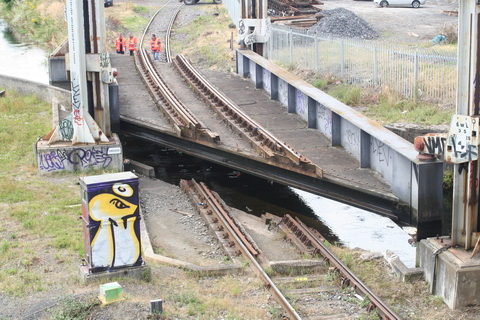
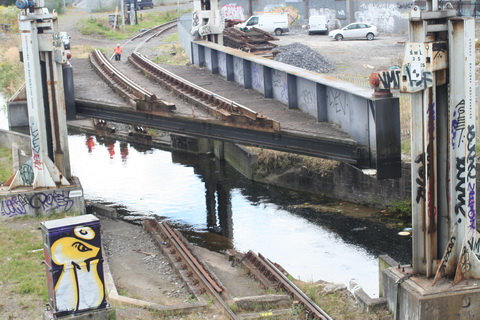
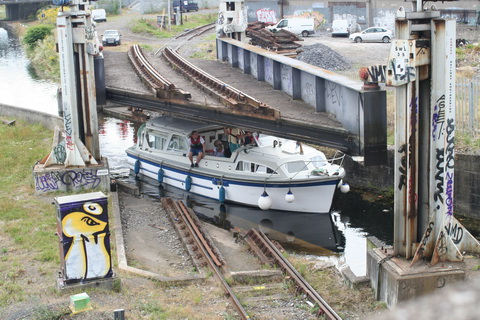
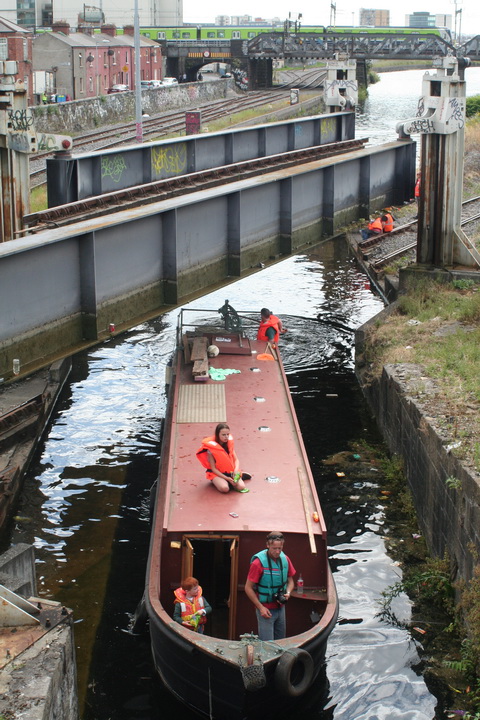
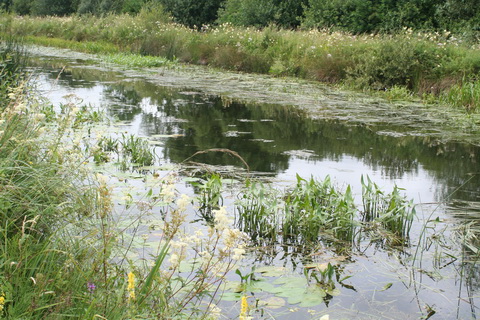
Barrow Line 20140721 06_resize

Barrow Line 2

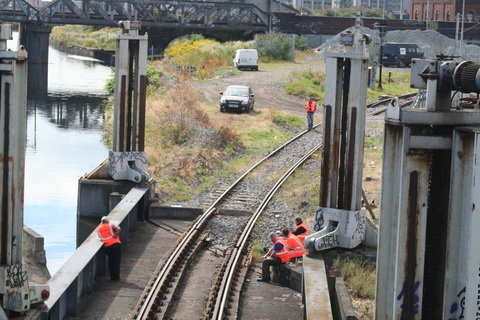
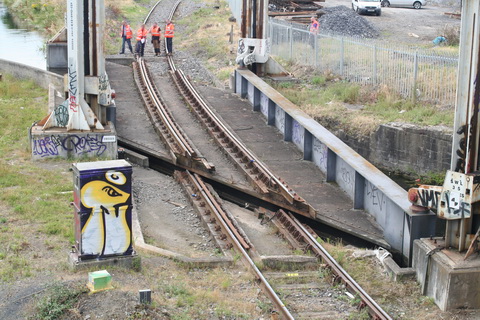
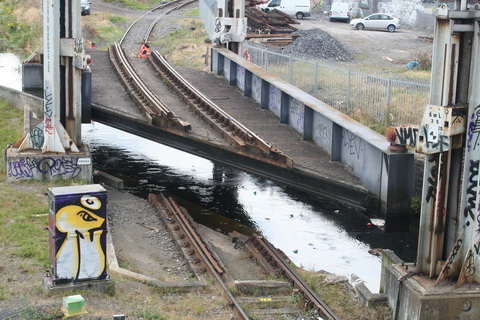
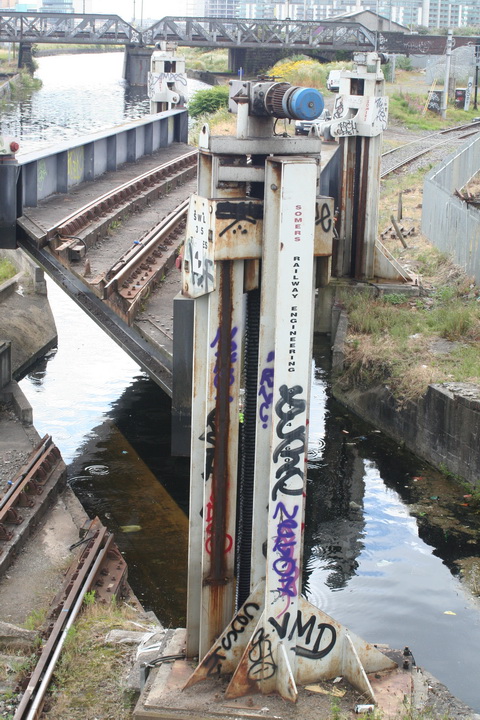
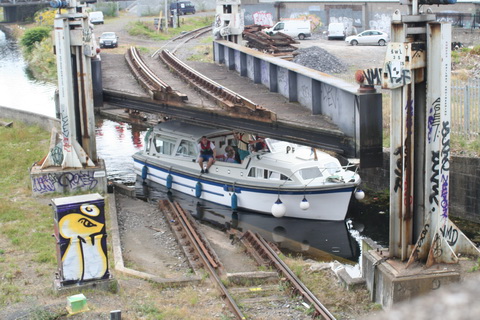
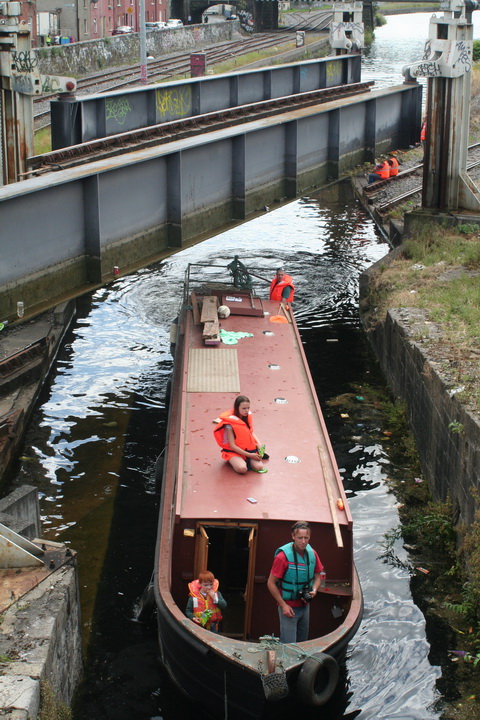
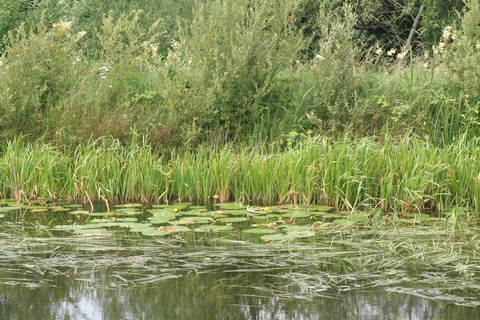
Barrow Line 20140721 08_resize

Barrow Line 3

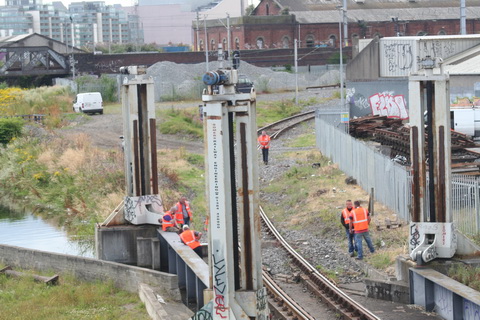
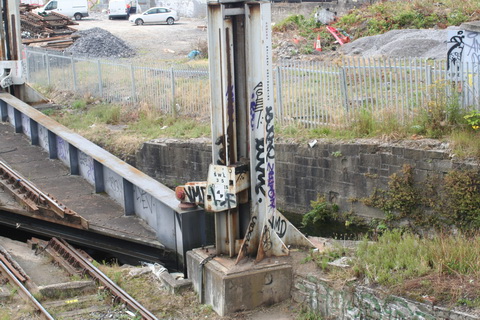
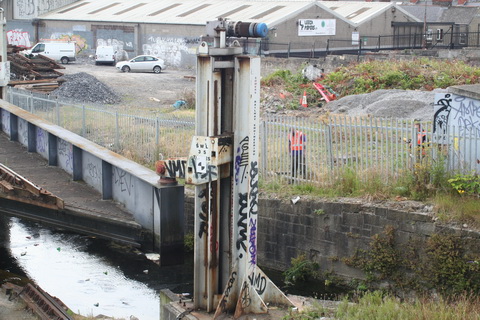
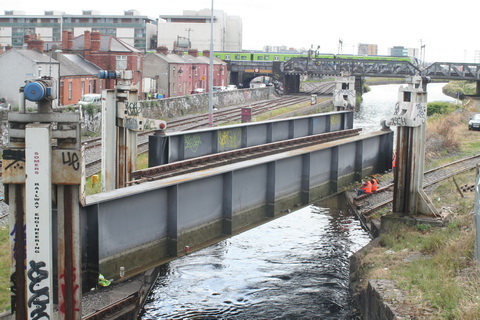
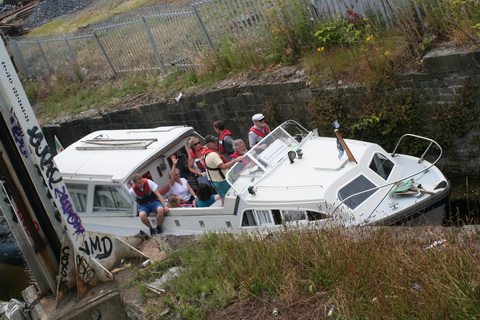
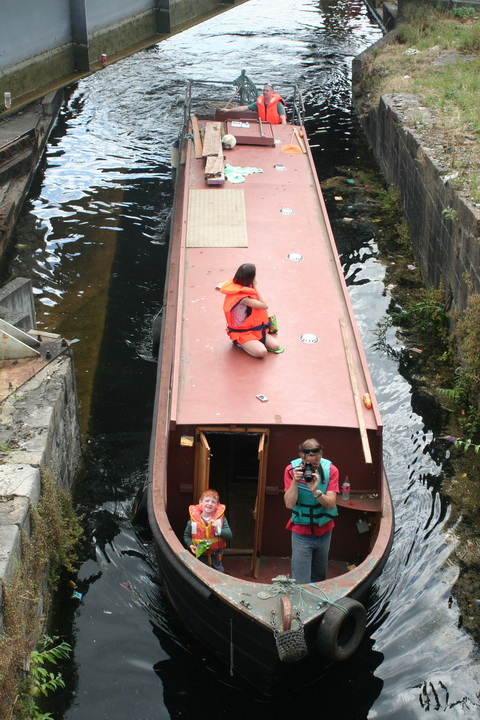
Barrow Line 20140721 09_resize

Barrow Line 4

When I get a moment, I must find out how many boats have been down that way in this warm, sunny July, the peak of the holiday season. The warmth will have encouraged the vegetation, but I suspect relatively few boats have been through. And only two boats entered the Royal through Dublin in July, even though two openings were offered.

Apart from giving artistic verisimilitude to an otherwise bald and unconvincing narrative about the value of the canal tourist industry and the abiding love of boaters for the canal, using canals helps to keep the weed down.


Effin mensuration

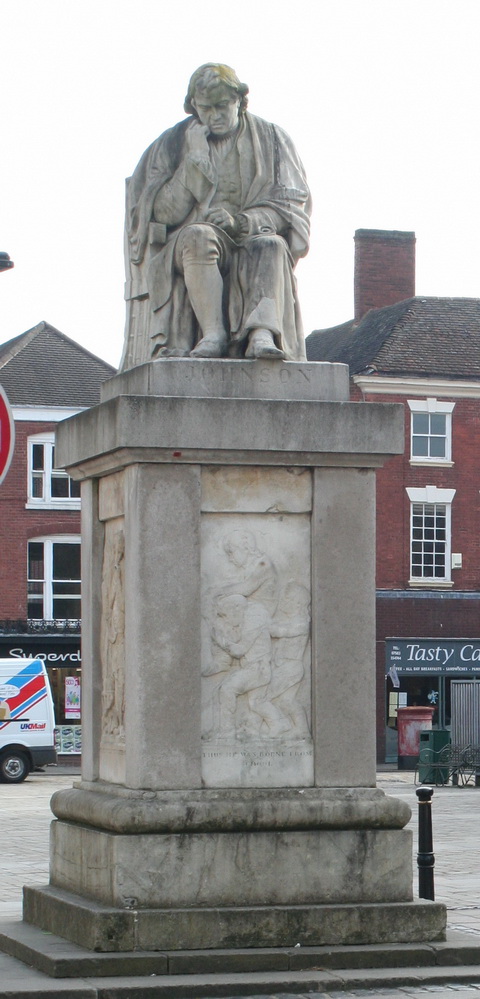
Statue of Dr Johnson near his birthplace in Lichfield

Statue of Dr Johnson near his birthplace in Lichfield

The learned readers of this site will not need to be reminded of the sapient advice of the late Dr Samuel Johnson:

[…] no man should travel unprovided with instruments for taking heights and distances.

There is yet another cause of errour not always easily surmounted, though more dangerous to the veracity of itinerary narratives, than imperfect mensuration. An observer deeply impressed by any remarkable spectacle, does not suppose, that the traces will soon vanish from his mind, and having commonly no great convenience for writing, defers the description to a time of more leisure, and better accommodation. […]

To this dilatory notation must be imputed the false relations of travellers, where there is no imaginable motive to deceive.

Samuel Johnson A Journey to the Western Islands of Scotland W Strahan and T Cadell 1775

The good doctor would, I think, have welcomed the invention of the digital camera with inbuild chronometer. Equipped with just such a device I arrived yesterday at the first lock on the Royal Canal to witness the lifting of the railway bridge and the passage thereunder of fleets of boats. I thought it would be interesting to record how long each stage took.

I have written before about this bridge: reporting a question by Maureen O’Sullivan TD in October 2013 and another in November 2013 and providing statistics on usage a few days later:

  • only 58 boats went through in 2013
  • the bridge was lifted on seven dates
  • two other scheduled lifts were cancelled as no boats wanted to travel
  • Irish Rail charged Waterways Ireland €1200 per weekday lift and €2000 per weekend lift.

The first 45 minutes

A lift scheduled for early July 2014 was cancelled; yesterday’s lift catered for just two boats, whose passage was assisted or monitored by eight Irish Rail staff and four from Waterways Ireland. Four of the Irish Rail people may have been in training as others seemed to be demonstrating things to them, but that’s only a guess. Three of the WI staff travelled together in WI’s stealth van and operated the first lock; the other, who travelled separately in a 4WD vehicle, visited from time to time. As far as I could see there was no contact between the Irish Rail and WI teams.

The bridge was scheduled to be lifted by 1100.
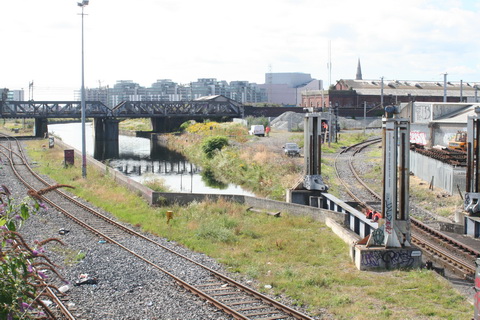
Before the lift 0945

Before the lift: 0945. The lifting bridge is on the right of the photo
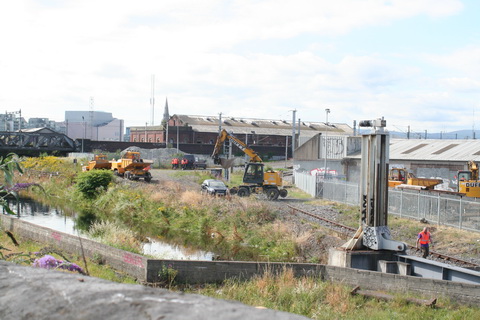
Before the lift 0946

One minute later: 0946. A separate group of workers, perhaps contractors, is going down the west side of Spencer Dock with equipment
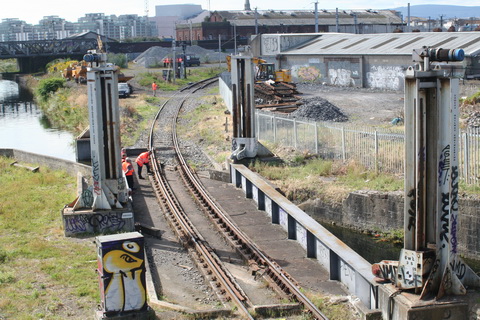
Before the lift 0949

Four men still on the bridge 0949

Before the lift 0951

Two minutes later

Before the lift 0956

On the bridge 0956

Before the lift 0958

Still there 0958

Before the lift 0959

One minute later

Before the lift 1006

The bridge 1006

Before the lift 1012

The bridge 1012

Before the lift 1015

The bridge 1015: another person approaches
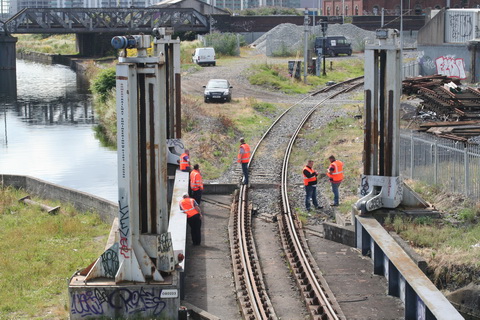
Before the lift 1020

Six men at the bridge at 1020

Before the lift 1028

A seventh man approaches at 1028

Preparing to lift

The preparation stage, presumably involving the unlocking of some mechanism, took about five minutes altogether.
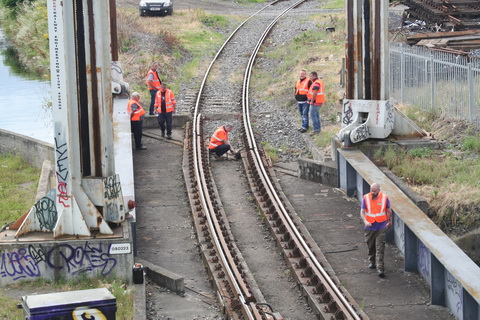
Preparing the bridge 5 mins 03_resize

One man worked on the far end while another walked to do the same at the near end
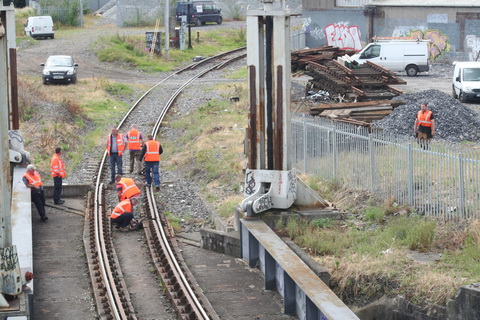
Preparing the bridge 5 mins 06_resize

An eighth man, behind the fence on the right, seemed to summon two of the men on the bridge
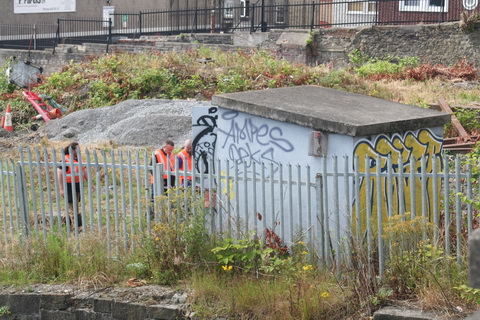
Preparing the bridge 5 mins 14_resize

They went to this building, which I guess houses the controls for the bridge
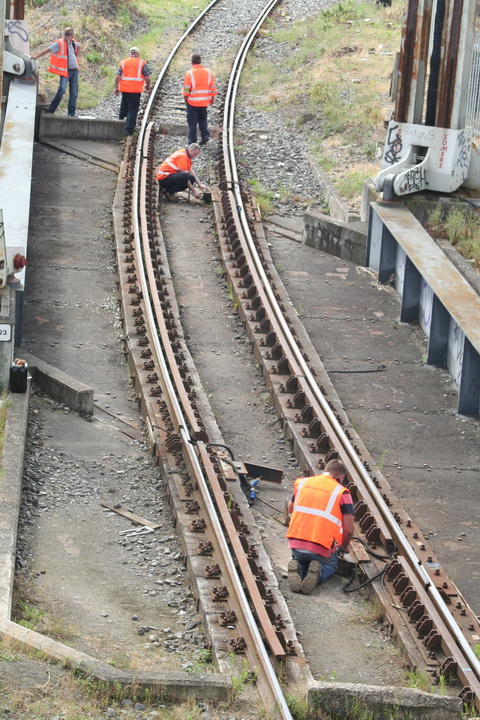
Preparing the bridge 5 mins 15_resize

Meanwhile work continued on the bridge itself
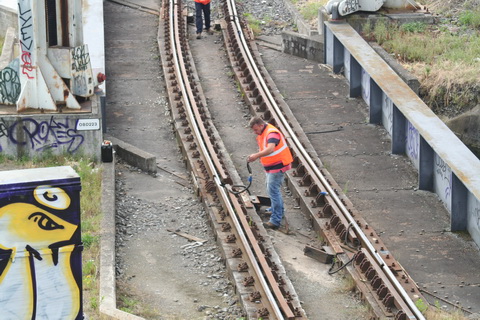
Preparing the bridge 5 mins 19_resize

Almost done

Preparing the bridge 5 mins 22_resize

A final check

Preparing the bridge 5 mins 25_resize

Everybody was off the bridge by 1033

Lifting

The lift itself took just over nine minutes; the bridge was up before 1044, in good time for the arrival of the boats.
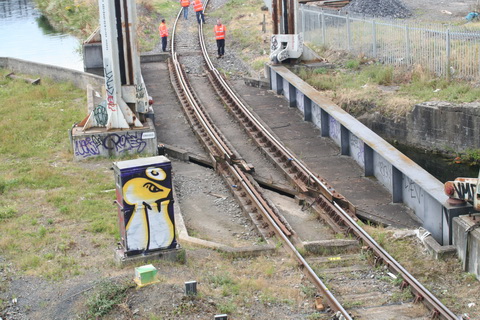
The lift 9 mins 02_resize

After about one minute

The lift 9 mins 08_resize

Another minute later

The lift 9 mins 11_resize

Another minute (or so)

The lift 9 mins 15_resize

About four minutes have elapsed

The lift 9 mins 18_resize

After five minutes. The sides are clear of the water in which they usually rest; they are dripping on to the canal below
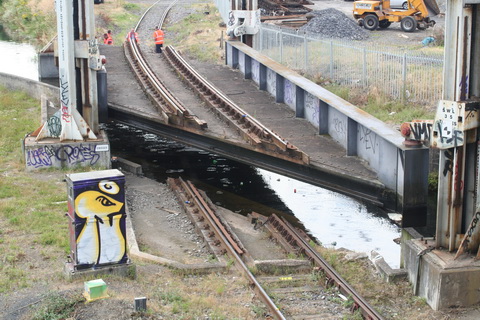
The lift 9 mins 20_resize

Six minutes in

The lift 9 mins 23_resize

Seven minutes

The lift 9 mins 24_resize

The men behind the fence may be controlling the lift
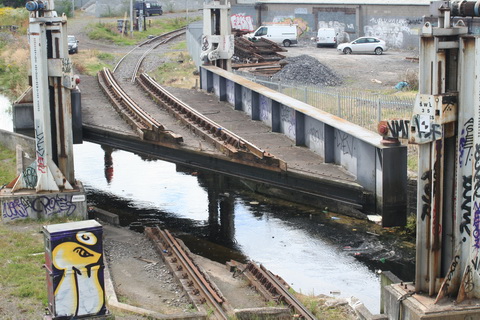
The lift 9 mins 28_resize

Not much further to go

The lift 9 mins 32_resize

Eight minutes

The lift 9 mins 40_resize

It’s up

The bridge up 16_resize

One of the jacks

After the boats passed_resize

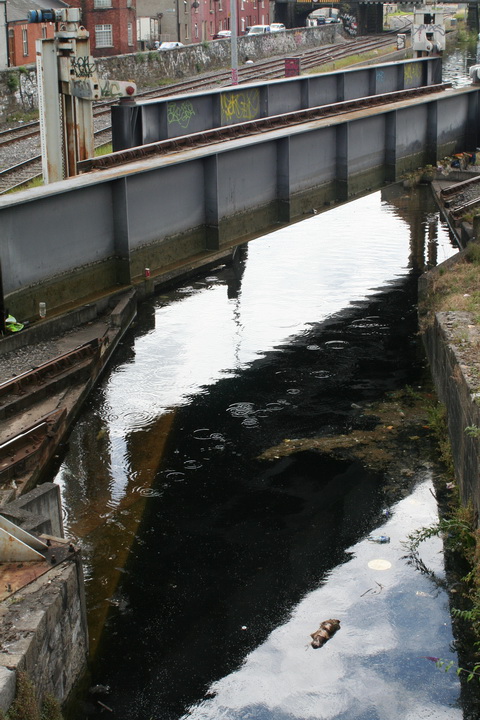
Side view (taken after the boats had gone through)
The bridge up 13_resize

Water under the bridge

Boats go through

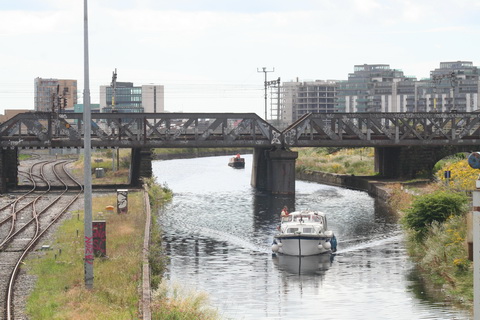
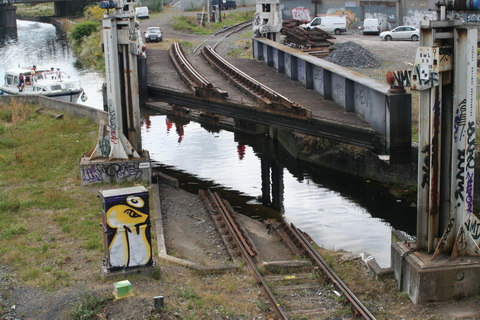
It took just over three minutes for the two boats to go under the bridge.
Boats approach 12_resize

Cruiser approaches; steel boat visible through the bridge
Cruiser goes through 03_resize

Cruiser about to enter

Cruiser goes through 04_resize

Heads down

Cruiser goes through 06_resize

Half way through

Cruiser goes through 07_resize

Leaving

Cruiser goes through 08_resize

Out

Steel boat goes through 12_resize

Steel boat entering

Steel boat goes through 20_resize

Almost through

Steel boat goes through 22_resize

Looking ahead to the lock

Steel boat goes through 25_resize

Done


I did not record the lowering of the bridge, which I presume took much the same time as the raising.

Preparation 5 minutes, lifting 9 minutes, passage 3 minutes, lowering and locking say another 14 minutes: say 45 minutes altogether, allowing some margin. But a large number of boats would take much longer as the rate at which they could move on from the bridge would be limited by the time taken to work through the lock.



The buoys of the lough

Waterways Ireland’s proposed new moorings on Lough Erne. Note that the links at the bottom of the page [which do not include this or this] are to PDFs.
The “heaviest cruisers”, eh? Hmph. And “egress” is not the mot juste. But let us not carp: perhaps the idea will, in time, be applied on some southron waterways too.

Marked fuel

The European Commission is taking the UK government to court because it

… does not require fuel distributors to have two separate fuel tanks to distinguish between the lower tax marked fuel and the fuel subject to the standard rate.

As a result, owners of pleasure craft sometimes (poor dears) find themselves with no choice but to buy red diesel and they may not pay the right amount of tax, which is no doubt a cause of great sadness to them.

As I (and the Irish Examiner) reported some time ago, the Commission is also coming after Ireland’s ludicrous arrangement. Ireland was to respond to the Reasoned Opinion by 16 June 2014; the Revenue Commissioners have not told me how (or indeed whether) they responded.


Carrick-on-Shannon in 1949

T W Freeman “The town and district of Carrick-on-Shannon, Co Leitrim” in Irish Geography (Bulletin of the Geographical Society of Ireland) Vol II No 1 1949:

There is no mill in use now, though flour is sent from Rank’s in Limerick by barge to Carrick, but no farther. Before the 1939–1945 war general cargo was also brought to the town by barges which could convey 50 tons of coal; other goods included timber and galvanised iron for builders. At present, stout is the only commodity brought by barge to the solidly-built stone warehouse of the early nineteenth century, whence it is distributed for some twenty miles in every direction.


GCC Shannon steamers 1866

Here is a new page with an illustrated article from 1866 about the steam engines in three Grand Canal Company steamers of that era, which were used on the Shannon. I am grateful to Mick O’Rourke of Irish Shipwrecks for sending the article to me.


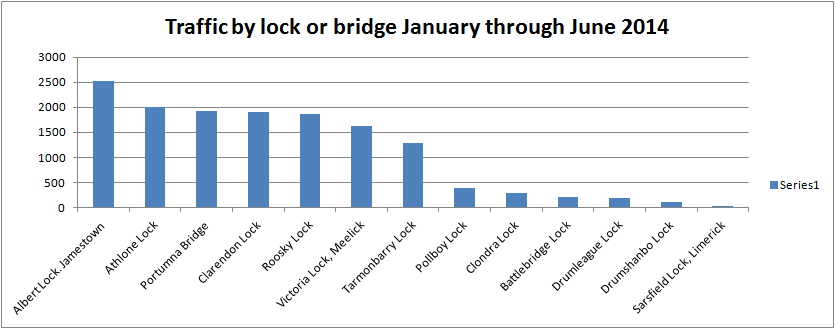
Shannon traffic figures for June


I am grateful to Waterways Ireland for letting me have the Shannon traffic figures for June 2014. All the usual caveats apply:

  • the underlying figures do not record total waterways usage (even for the Shannon) as, for instance, sailing, fishing or waterskiing on lakes or river stretches, which did not involve a passage through a lock or Portumna Bridge, would not be recorded
  • the passage records would not show, for instance, a change in the balance of types of activities from those in larger cruising boats to those in smaller (sailing, fishing, waterskiing) boats
  • figures like these, for a small number of months, will not necessarily be representative of those for the year as a whole. The winter months, January to March, see little traffic in any year; for April, May and June, the weather can have a large influence on the amount of activity especially, I suspect, in private boats.

On the other hand, the figures do include the Shannon’s most significant tourism activity, the cruiser hire business. And they are our only consistent long-term indicator of usage of the inland waterways.

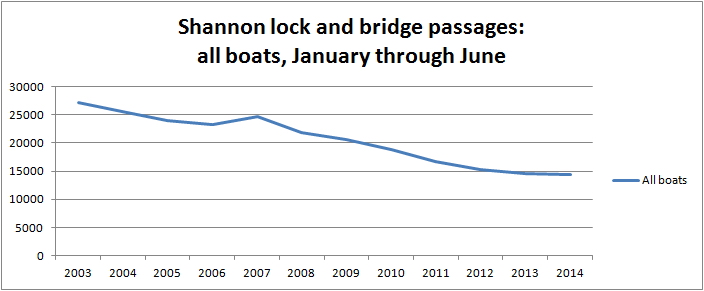
Total (private + hired) traffic for the first six months of each year

Total (private + hired) traffic for the first six months of each year

Total traffic is down again, but only slightly. The decline does seem to be levelling off and a continuation of the relatively good weather could increase usage.

SnnNav JanJun 2

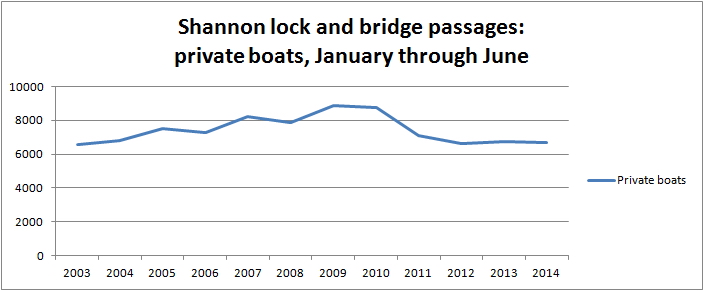
Private-boat traffic for the first six months of each year

Private traffic is down slightly on last year, but it has been pretty much the same for three years. I had thought that the good weather might have caused something of an increase, but on the other hand my own impression of Lough Derg traffic (not reflected in the passage figures) is that it has been fairly light.

SnnNav JanJun 3

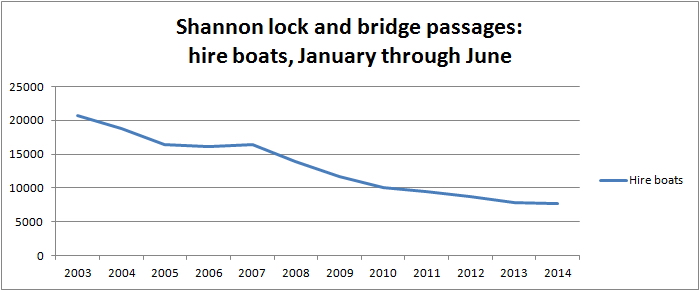
Hire-boat traffic for the first six months of each year

For hire-boat traffic, there is no sign of an upturn, although the drop on last year’s figures is not very large.

SnnNav JanJun 4

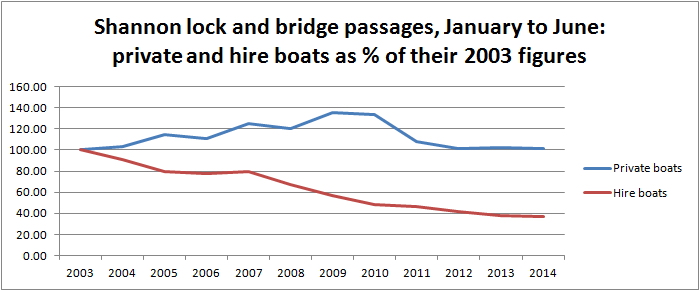
Changes since 2003: private and hired boats

That table amalgamates the two before it, but shows the figures as percentages of the 2003 figures. For private boats, the Celtic Tiger (nach maireann) caused an increase; that effect has worn off and usage has not changed much since about 2011. For hired boats, the decline began long before the Celtic Tiger idiocy.

SnnNav JanJun 5

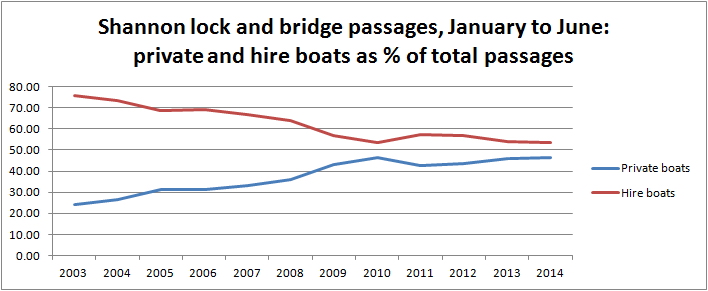
From 75/25 to 50/50

Hired boats were once the major users; private boats have almost caught up.

SnnNav JanJun 6

How to save money

I don’t know how much the various locks cost to run, so I can’t work out any measure of value for money, but the sea lock in Limerick and the Lough Allen Canal must surely be candidates for the chop.


Don’t tread on my decks

Dublin Police — yesterday

Threatening to shoot

Edward Farrell, a boat-owner on the Grand Canal, was held to bail to keep the peace to his brother-in-law, Simon Farrell, also a boat-owner on the same canal, and at whom he presented a loaded gun, the same morning at James’s-street harbour, threatening to shoot him for passing across his (Edward’s) boat for the purpose of getting into his own vessel, which was lying alongside.

Freeman’s Journal 23 November 1842

The OPW’s 1969 restoration of Richmond Harbour and the Clondra Canal

Read about it here.

Corrib history

This site’s focus is usually on recent history, say from about 1750 onwards, but Captain Trevor Northage has been investigating inland waterways transport on Lough Corrib over rather a longer period: his finds range from a logboat 4500 years old to a Victorian racing yacht.

Explore the Corrib wrecks on his website here; listen to him on BBC Radio 4 here. There’s a player at the top of the page; the Corrib bit starts about 9 minutes and 50 seconds in.